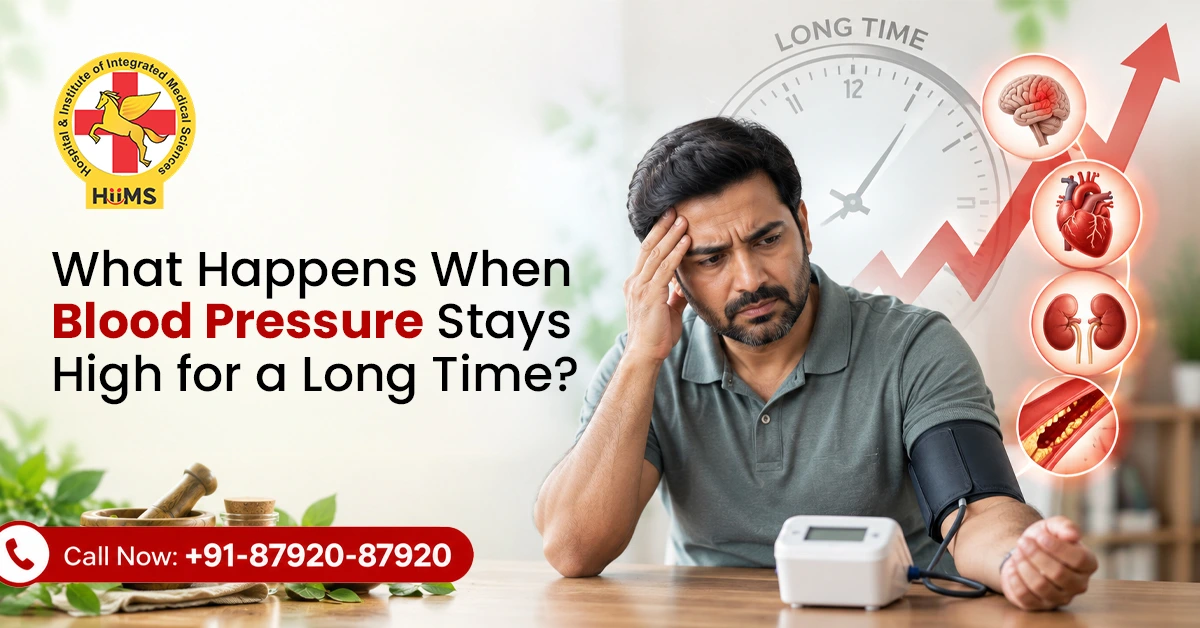

High blood pressure is one of those health problems that can quietly stay in the background for years. A person may feel completely normal and still have high readings. This is one reason many people do not take it seriously in the beginning. Blood pressure is the pressure created when blood flows through and pushes against the artery walls. High blood pressure that continues for a long time keeps putting extra strain on the heart and blood vessels. As they continue to handle this added pressure, other important organs may also be affected. This can include the heart, brain, kidneys and eyes. The long term effects of high blood pressure may remain unnoticed in the beginning, while the damage continues to build slowly over the years.
High blood pressure needs regular attention, even when a person feels fine. Checking the readings from time to time, eating simple and healthy food, moving the body regularly, sleeping well, reducing stress and taking expert advice can help keep the condition under control.
Why Does Long-Term High Blood Pressure Become a Problem?
The heart keeps blood moving through the arteries so that it can reach the entire body. High blood pressure can keep putting pressure on the artery walls over a long period. This may slowly affect their flexibility and make the heart work harder to pump the blood through the arteries.
This does not mean that every person with high blood pressure will develop the same health problem. The risk depends on the factors such as how high the blood pressure is, how long it has remained high and whether a person has other health conditions.
The effects of high blood pressure on the body can therefore develop slowly and may go unnoticed until the problem becomes more serious.
Long-Term Effects of High Blood Pressure on the Heart
The heart is among the organs that can be affected when high blood pressure remains uncontrolled.
When the heart has to pump against greater resistance for years, it works harder than usual. Over time, this extra workload can affect the heart muscle and its ability to pump blood properly.
Long term high blood pressure can increase the risk of,
- Heart disease
- Chest pain
- Heart attack
- Heart failure
- Irregular heartbeat
High blood pressure can also damage the arteries by making them less flexible. This may reduce the normal flow of blood and oxygen to the heart.
This is why checking blood pressure should not be limited to times when a person feels unwell. High blood pressure may not cause any noticeable symptoms in a person.
How High Blood Pressure Affects the Brain
The brain needs a steady supply of blood and oxygen to function properly. Long standing high blood pressure can damage the blood vessels that supply the brain.
If a blood vessel becomes blocked or bursts, it can lead to a stroke. High blood pressure is also linked with problems in brain function and a higher risk of cognitive decline later in life.
Some common complications of high blood pressure related to the brain include,
- Stroke
- Problems with memory and thinking
- Damage to small blood vessels in the brain
- Higher risk of cognitive decline
A person should never ignore sudden weakness, difficulty speaking, sudden vision changes or severe headache along with very high blood pressure. These can be the warning signs that need urgent attention.
The Connection Between High Blood Pressure and Kidneys
The kidneys filter the blood and help remove waste and extra fluid from the body. They also play an important role in maintaining the healthy blood pressure.
High blood pressure can damage the small blood vessels inside the kidneys. As the damage continues, the kidneys may gradually lose some of their ability to filter blood properly. At the same time, kidney disease can also make blood pressure harder to control. This creates a difficult cycle between the kidney health and blood pressure.
Some people do not notice kidney damage in the early stages because there may be few obvious symptoms. Regular blood pressure checks and appropriate health assessments can therefore be important for people who already have hypertension.
Can High Blood Pressure Affect the Eyes?
Yes. High blood pressure can also affect the tiny blood vessels in your eyes.
When blood pressure remains high, these small vessels can become damaged. In some cases, this can affect vision. Long term uncontrolled blood pressure is associated with damage to the eyes and vision problems.
This is another reason why high blood pressure should not be considered only a heart problem. It can affect several parts of the body at the same time.
What Makes the Problem Worse?
Blood pressure is influenced by several parts of daily life. Food habits, lack of physical activity, excess body weight, tobacco use, stress and excessive alcohol intake can increase the risk or make blood pressure harder to manage.
Some useful habits include,
- Eating more fresh vegetables, fruits and whole foods
- Reducing excess salt in daily meals
- Staying physically active according to the personal ability
- Maintaining a healthy body weight
- Getting enough sleep
- Avoiding tobacco
- Managing daily stress
- Checking blood pressure regularly
These habits may look simple, but following them consistently can make an important difference.
A Natural Approach to Supporting Healthy Blood Pressure
Ayurveda gives importance to daily routine, digestion, food habits, physical activity, sleep and mental balance. These principles can fit well into a healthy lifestyle for people who want to take better care of their blood pressure.
At Jeena Sikho HiiMS Hospital Lucknow, wellness is viewed by giving attention to food, lifestyle and the overall health of a person rather than focusing on only one symptom. A healthy routine may include simple and fresh food, regular physical activity, enough rest and proper ways to manage daily stress.
At the same time, it is important to follow such practices with proper guidance and regular monitoring. A person with hypertension should have regular health checks and discuss any changes in diet, supplements or other wellness practices with the qualified healthcare professional.
How Can You Reduce the Long-Term Risk?
The long-term effects of high blood pressure are not something that develops in a single day. In the same way, protecting the body is also a long-term process.
Start with the small changes instead of trying to change everything at once. Reduce excess salt, become more active, eat balanced meals and keep a regular sleep routine. Most importantly, keep track of your blood pressure instead of waiting for symptoms.
The high blood pressure health risks become more concerning when the condition remains uncontrolled for years. At the same time, taking action early can help lower the risk of serious problems.
Conclusion
High blood pressure may feel like a small issue when there are no symptoms, but the long-term effects of high blood pressure can affect the heart, brain, kidneys and eyes.
When blood pressure remains uncontrolled for a long time, the high blood pressure health risks can become more serious. Regular blood pressure checks along with simple and healthy habits can help a person take better care of their health. A balanced and natural lifestyle may support these efforts, while expert guidance can help you make suitable choices. For the personalised guidance, you can connect with Jeena Sikho HiiMS through a VOPD consultation and discuss an approach that suits your health needs.

FAQs
1. Can high blood pressure damage your body even without symptoms?
Yes. A person can feel completely normal and still have high readings, which is why many don’t take it seriously until real damage has already started.
2. What organs are affected by long term high blood pressure?
Mainly the heart, brain, kidneys, and eyes; the pressure builds up slowly and can affect all of them over time.
3. Can uncontrolled blood pressure lead to a heart attack?
Long-term high blood pressure can increase the risk of heart disease, chest pain, heart attack, heart failure, and irregular heartbeat.
4. What lifestyle habits make high blood pressure worse?
Poor eating habits, low physical activity, excess weight, tobacco use, stress, and too much alcohol can all make it harder to manage.
5. Can Ayurveda help support healthy blood pressure?
Ayurveda’s focus on daily routine, digestion, food, activity, sleep, and mental balance can fit well into a healthy lifestyle for blood pressure support.