
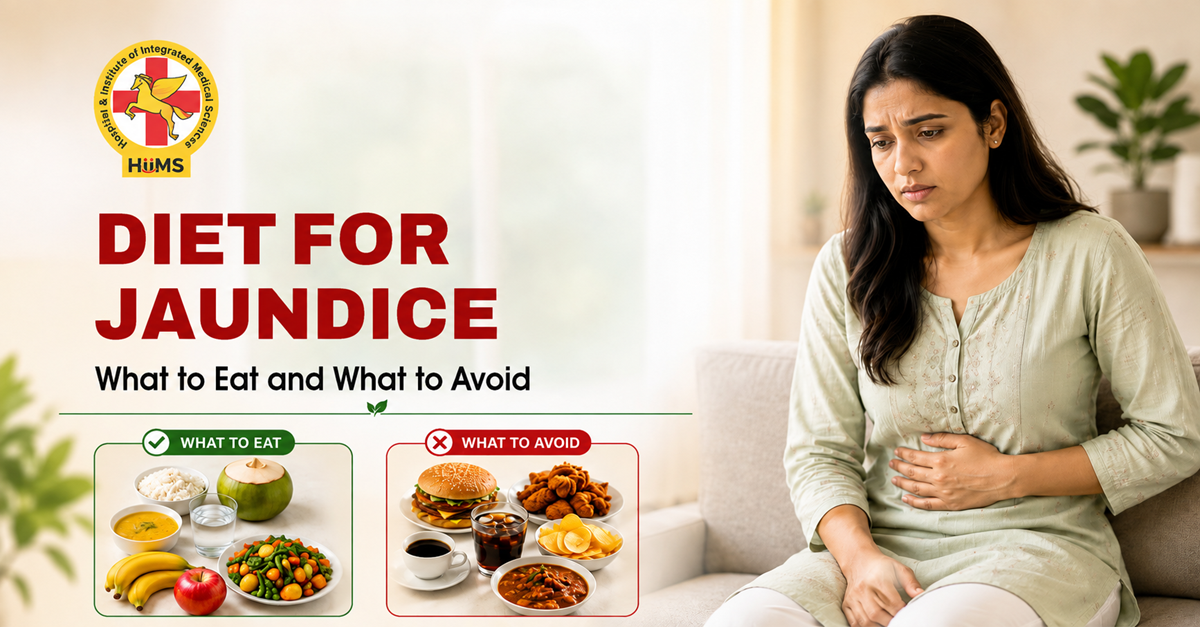
In jaundice, the skin and even the white portion of the eyes may start turning yellow. The reason is simple. Bilirubin builds up in the body because the liver is unable to process it efficiently. The liver has many important functions such as digestion and waste removal and so needs to be supported with good food and adequate rest during recovery.
A healthy diet for jaundice reduces load on the liver and provides the nutrients required for recovery. On the other hand, poor choices of food can make digestion difficult and may slow the healing process. Many people focus only on medicines and forget that food also has an important role in supporting liver health. In this blog, we will understand what jaundice is, how the right diet supports recovery, which foods to eat, which foods to avoid, and the simple Ayurvedic habits that may help maintain liver health.
What is Jaundice?
Jaundice is a condition that shows the liver may not be working well. The body makes bilirubin when old red blood cells break down. Normally, the liver removes it. If this does not happen, bilirubin collects in the blood and causes yellowing of the skin and eyes.
Some common causes of the jaundice include,
- Viral infections such as hepatitis,
- Liver inflammation,
- Fatty liver,
- Problems in the bile ducts,
- Excess alcohol consumption,
- Certain medicines,
- Blood-related disorders,
Common symptoms include tiredness, lack of appetite, dark urine, pale stools, nausea and stomach pain.
How the Right Diet Supports Liver Health in Jaundice
The liver helps digest fats, stores nutrients and cleanses the body of toxins. Jaundice makes the liver weak, and it takes time to recover. Eating simple and nutritious food reduces pressure on the liver and helps maintain the energy levels.
A good jaundice diet mainly includes foods that are easy to digest, rich in vitamins, and full of natural fluids. Drinking enough water and eating fresh foods also support normal body functions. Heavy and oily meals may make digestion difficult and should be limited until recovery.
Diet for Jaundice: Foods to Include
One of the most important parts of a diet for jaundice is to choose the right food. Your body needs a balanced nutrition without the additional stress on the liver.
Fruits and Natural Juices
- Fresh fruits like papaya, pomegranate and watermelon which are light on the stomach and full of water.
- Sugarcane juice has been used to support the health of the liver.
- Coconut water, which keeps the body hydrated and cool.
Vegetables and Dals
- Boiled vegetables such as bottle gourd, bitter gourd, and pumpkin.
- Moong dal, which is light and gives good protein without troubling the stomach.
- Fresh vegetable soups without too much spice or oil.
Grains and Other Light Food
- Barley water and rice water, which are soft on digestion.
- Small amounts of curd, if it suits the person, as it helps digestion.
The best diet for jaundice is one that keeps meals small and frequent instead of eating heavy portions at once. Eating little but often keeps the liver from getting overloaded.
Things to Avoid While Following a Jaundice Diet
Along with healthy foods, a proper diet chart for jaundice includes foods that should be avoided.
Heavy and Oily Food
- Oily and fried food, as it makes the liver work harder.
- Spicy food, which can irritate the stomach and slow healing.
- Red meat and heavy nonvegetarian food.
Packaged and Harmful Items
- Packaged and processed food full of preservatives.
- Alcohol, which directly harms the liver.
- Excess sugar and sweets, which put extra pressure on the liver.
Drinks and Stale Food
- Tea and coffee in large amounts, as they can be harsh on an already weak system.
- Stale or leftover food that is not freshly cooked.
Following this simple jaundice diet plan with discipline for a few weeks often makes a visible difference in how a person feels.
What Does Ayurveda Say About Jaundice
Ayurveda has looked at jaundice, known as Kamala in old texts, for thousands of years. It happens when there is an imbalance of Pitta dosha in the body, which is related to fire and heat. When Pitta rises too much, it touches the liver and shows yellowing of the skin and eyes.
Ayurveda does not suppress the symptoms but works on cooling and cleansing the body naturally. Herbs like Bhumi Amla, Kalmegh and Kutki have been used since ancient times to support the liver function gently in jaundice, along with rest, a calm mind and a careful diet.
Daily Habits to Support Recovery from Jaundice
According to Ayurveda, food alone is not enough. Daily habits also play an important role in keeping the liver and the body in balance.
- Waking up early and sleeping on time,
- Drinking lukewarm water throughout the day instead of cold water,
- Avoiding sleeping during the day because it may increase Pitta,
- Doing light yoga and pranayama regularly,
- Eating simple food at fixed timings,
- Avoiding anger and stress, which Ayurveda believes can disturb Pitta.
These little habits could assist the body in its recovery in a more natural way if practiced regularly.
Conclusion
Jaundice can be a cause of concern, but following the right care and a proper diet for jaundice can help in faster recovery. Simple food, healthy habits, and a little patience help the liver rest and recover. Ayurveda believes in supporting the body’s own healing process by understanding the root cause rather than the symptoms.
If you or someone you know is looking for the jaundice treatment in Lucknow, the team at Jeena Sikho HiiMS Lucknow is here to guide you with an Ayurvedic approach. You can also book a VOPD consultation to speak with the experienced Ayurvedic doctors from the comfort of your home and receive the personalised dietary and lifestyle guidance.

FAQs
1. How long does a jaundice diet need to be followed?
It is usually followed for a few weeks until the doctor confirms the liver has recovered.
2. Can I eat fruits during jaundice?
Yes, fruits like papaya, pomegranate, and watermelon are easy to digest and safe to eat.
3. Can jaundice come back after recovery?
Yes, if proper care and diet are not followed, jaundice can return, so lifestyle habits matter a lot.
4. Does Ayurveda have a permanent solution for jaundice?
Ayurveda has more emphasis on slow healing of the root cause which can help prevent the problem from recurring.
5. When should I consult a doctor for jaundice?
If you notice yellowing of the skin or eyes, dark urine, or constant tiredness, you should consult a doctor right away.