

Think about the last time you sat for a blood pressure check. The cuff tightens, the machine beeps, a number flashes, maybe 120 over 80, and the person taking it moves to the next patient. Nobody stops to explain what that number means. Getting your blood pressure readings done is only half the job. Knowing what those numbers mean for your body is the part that actually is important.
People usually panic only when the number is high, but a low reading needs just as much attention. Once you understand what these figures are saying, a routine check stops feeling like a mystery.
What Are Blood Pressure Readings?
Every time your heart beats, it pushes blood through your arteries, and blood pressure is the measure of how much force that blood puts on the artery walls while it moves. Doctors track this because if something is off with your heart or vessels, it usually shows up here long before you feel any symptoms.
Also, one reading alone doesn’t say much. Check it repeatedly over weeks, and a pattern forms, and that pattern is what tells doctors how your heart is actually holding up.
What Do Blood Pressure Numbers Mean?
Understanding The Systolic (Top) Number
The top figure is captured right when your heart contracts and forces blood into the arteries, your pressure at its peak. When this number keeps climbing on repeated checks, it’s usually a sign your heart is working harder than it should.
Understanding The Diastolic (Bottom) Number
The bottom figure is measured while your heart rests, in the gap between two beats. It shows how much pressure your vessels still carry even during that rest.
So if you’ve wondered what do blood pressure numbers mean, that’s it in a simple way: one number for effort, one for rest.
What Is the Normal Blood Pressure Range?
For most adults, doctors treat anything under 120/80 as a normal blood pressure range. That said, this figure isn’t identical for everyone. Your age, any existing conditions, and even your body type can shape what counts as normal for you.
A poor night’s sleep, a rough day at work, climbing stairs before the check, or feeling nervous in front of a doctor can bump your number up briefly. This is why one reading is never the final word, and why doctors prefer watching the pattern.
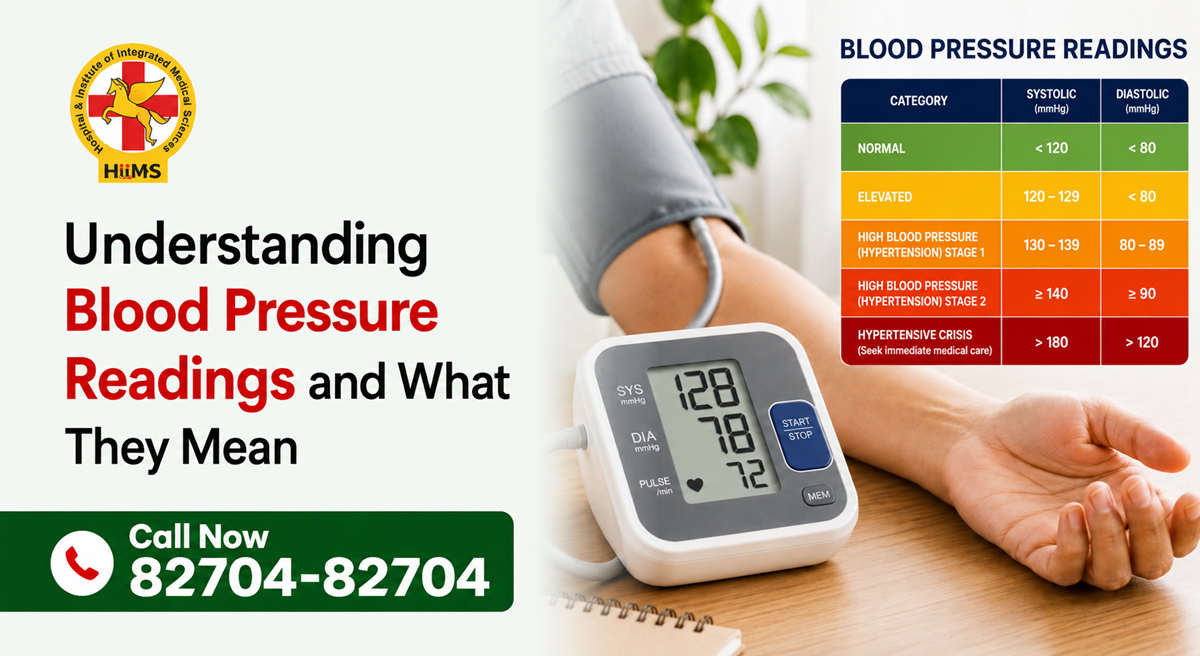
Understanding Different Blood Pressure Levels
Not every reading carries the same weight. Knowing which blood pressure levels you fall under helps you judge how much attention you need to pay.
| Category | Systolic (mmHg) | Diastolic (mmHg) |
| Normal | Below 120 | Below 80 |
| Elevated | 120–129 | Below 80 |
| High (Stage 1) | 130–139 | 80–89 |
| High (Stage 2) | 140 or more | 90 or more |
| Very High (Emergency) | Above 180 | Above 120 |
| Low (Hypotension) | Below 90 | Below 60 |
A reading in that emergency row calls for urgent care, especially with chest pain or trouble breathing alongside it.
Common Reasons Why Blood Pressure Readings Change
Your meals, salt intake, sleep quality, exercise, and how stressed your day has been all result in a mark on your numbers. It isn’t always about lifestyle. Heart conditions, kidney trouble, hormonal changes, and simply getting older can move your readings too, often with no obvious trigger.
How to Check Blood Pressure Correctly
Sit quietly for a few minutes before the check. Avoid tea or coffee right before. Keep your feet flat on the ground. Make sure the cuff actually fits your arm. And don’t rely on just one number, take it two or three times a few minutes apart.
Anyone past forty, or with heart trouble in the family history, should check every few weeks rather than saving it for the yearly visit.
What Your Blood Pressure Readings May Indicate About Your Overall Health
These figures point to how your blood vessels are holding up, and even how your kidneys are functioning, since kidneys depend on constant blood flow. Letting abnormal numbers slide for months can quietly raise your risk. One reading on one day should never be the full verdict.
When Should You Consult a Doctor?
If your numbers stay high visit after visit, or stay low while you’re also feeling dizzy, chest pain, a heavy headache, breathlessness, or sudden blurred vision, that’s your cue to see a doctor instead of just hope things settle on their own.
How Jeena Sikho HiiMS Lucknow Takes an Ayurvedic Approach to Heart and Blood Pressure Health
At Jeena Sikho HiiMS Lucknow, every case starts with understanding what’s actually leading to the change in numbers, not just reacting to the reading. Treatment leans on diet correction, daily lifestyle changes, and Ayurvedic therapies, shaped around each person’s dosha type, with Panchakarma brought in where it genuinely fits.
The bigger goal is to build healthy blood pressure and lasting wellness, not just correcting a number.
Conclusion
Blood pressure readings are far more than two digits on a slip of paper. They quietly track how your heart and blood vessels are coping, day after day. Rather than glancing at them once and forgetting, take a moment to understand what your numbers are saying. Regular checks, paired with steady daily habits and Ayurvedic guidance where it helps, can support your heart in the long run.
If your readings keep coming back abnormal, don’t sit on it. You can opt for an online video consultation (VOPD) with expert doctors at Jeena Sikho HiiMS for guidance built around your health.

FAQs
1. What do blood pressure numbers mean?
The top number reflects the pressure while your heart beats, and the bottom one reflects it while your heart rests between beats.
2. What is considered the normal blood pressure range for adults?
Most adults are considered within a healthy zone when their reading sits under 120/80, though age and health condition can vary this slightly.
3. Can stress temporarily increase blood pressure readings?
Stress, tension, or even the nervousness of a clinic visit can raise your numbers briefly without pointing to any lasting issue.
4. How often should blood pressure be checked?
Anyone above forty, or with a family history of heart trouble, benefits from checking every few weeks instead of only once a year.
5. How does Ayurveda view changes in blood pressure levels?
Ayurveda connects changing readings to an imbalance in the body’s doshas and works on correcting the root cause through diet, herbs, and daily routine.
Disclaimer: The information provided on this blog is for general educational and informational purposes only. It is not intended to replace professional medical advice, diagnosis, or treatment. Always consult a qualified healthcare professional before making any changes to your diet, lifestyle, or treatment plan. Individual results may vary.