
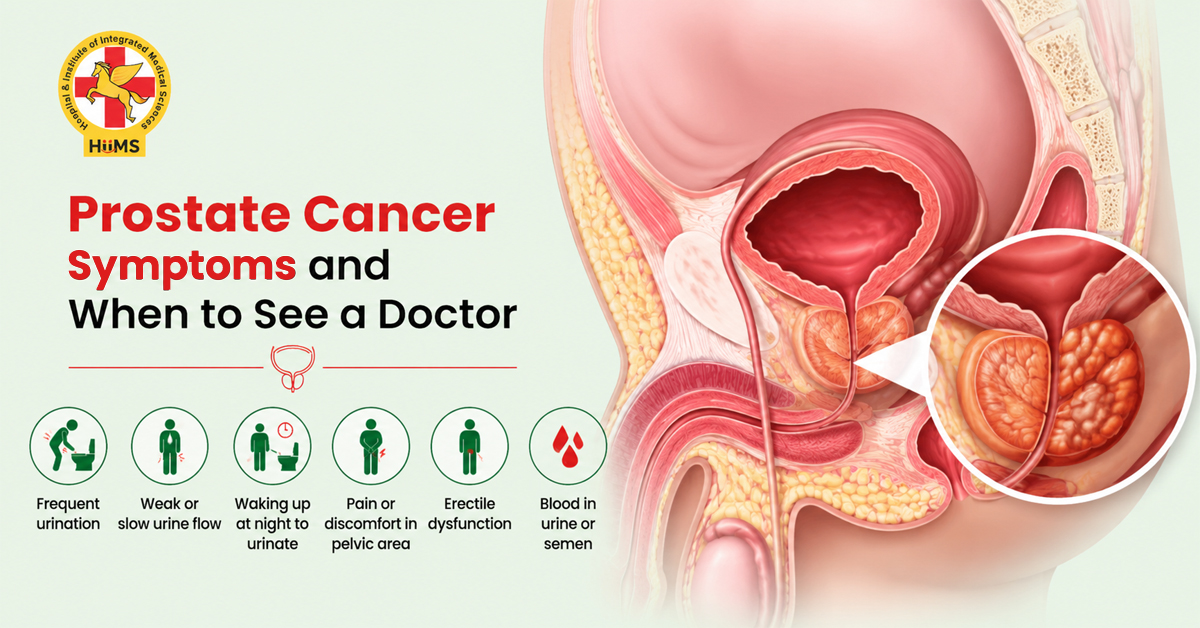
For many men, prostate-related problems do not start with pain. They actually start with a few interruptions. A person who once slept through the night suddenly starts waking up once or twice to urinate. Someone else notices that using the washroom takes longer than before, but instead of thinking about health, he blames water intake, weather, stress, or simply growing age.
That is usually how these changes settle into daily life slowly and quietly. Without creating enough discomfort to force attention immediately. The problem is that the body often repeats small signals long before a condition becomes serious. Some urinary changes may happen because of infection or age-related enlargement, but certain issues may also point toward prostate cancer symptoms.
Knowing the difference is important because delaying medical advice for months only makes the confusion more severe later. Most people are not looking for complicated medical information. They simply want to understand when a body change should be taken seriously.
In this blog, you will read about common symptoms, warning signs, diagnosis, and the right time to consult a doctor.
Understanding the Prostate Gland and Its Role
The prostate is a small gland found below the bladder in men. It helps produce the fluid that mixes with sperm during ejaculation. Even though it is small in size, its location inside the body makes it important for urinary function because the urine passage runs directly through it.
Why Prostate Problems Affect Urination
When swelling develops in the prostate or abnormal cells start growing inside it, pressure can affect the urinary tract. Because of this, many early symptoms of prostate cancer are linked with changes in urination rather than strong pain at the beginning.
Early Prostate Cancer Symptoms Men Often Notice
Most early symptoms do not appear serious. In fact, that is one reason people continue ignoring them.
Changes Related to Urination
- Frequent urination, especially during the night
- Weak urine flow
- Interrupted urine stream
- Difficulty while starting urination
- Feeling that the bladder has not emptied fully
Physical Discomfort That May Develop
- Burning sensation during urination
- Mild discomfort around the pelvic area
- Lower back heaviness that keeps returning
Visible Warning Signs
- Blood in urine
- Blood traces in semen
General Changes in Daily Health
- Feeling unusually tired during normal work
- Lower energy levels throughout the day
- Weight loss without trying intentionally
A large number of men treat these signs of prostate cancer as temporary weakness or common age-related urinary issues, which is why healthcare consultation often gets delayed longer than it should.
Symptoms That May Indicate Advanced Prostate Cancer
When the condition spreads outside the prostate area, symptoms may start affecting nearby bones and tissues as well. At this stage, the problem usually becomes harder to ignore because it starts interfering with normal movement and routine activities.
Symptoms That Need Immediate Attention
- Persistent pain in the hips or lower back
- Bone pain lasting for weeks
- Weakness in the legs
- Difficulty controlling urine
- Sudden erectile difficulties
These advanced symptoms of prostate cancer can affect sleep, physical comfort, movement, and overall quality of life. Many people continue tolerating severe discomfort quietly because they expect the body to recover naturally with time, but long-lasting pain should never become something a person simply adjusts to.
When to See a Doctor for Prostate Cancer Symptoms
Not every urinary issue means cancer. Infections, inflammation, and prostate enlargement can also create similar symptoms. Still, repeated changes deserve proper evaluation instead of only doing speculation.
Do Not Ignore These Changes
Medical consultation becomes important when you notice:
- Frequent urination continuing for weeks
- Pain while passing urine
- Sudden changes in urinary habits
- Difficulty emptying the bladder properly
Signs That Should Not Be Delayed
- Blood in urine or semen
- Severe lower back or pelvic pain
- Inability to urinate normally
- Extreme tiredness along with rapid weight loss
After checking the symptoms properly, doctors may understand the condition in a better way and decide whether supportive prostate cancer treatment or some more tests are needed.
How Prostate Cancer is Commonly Diagnosed
Doctors usually start by understanding symptoms and overall prostate health.
Common Diagnostic Methods
- Physical examination
- PSA blood test
- Imaging scans if required
- Additional testing depending on symptoms
Why Early Screening is So Important
Screening can help doctors notice prostate-related problems before the condition starts creating serious discomfort. It also gives patients enough time to understand different treatment options and prepare for supportive prostate cancer treatment in a proper way.
Conclusion
People usually do not ignore health intentionally. Most of the time, they simply keep adjusting their routine around the pain until that discomfort starts controlling everyday life.
A person changes sleeping habits, reduces water intake, or spends longer in the washroom without thinking much about the actual reason behind those changes. This is why people should pay attention when early prostate cancer symptoms start appearing instead of ignoring them for a long time. Not every urinary issue points toward cancer, but repeated body changes should never be ignored for months without proper evaluation. Timely consultation, regular screening, and healthier lifestyle habits can help people understand their condition earlier and manage health in a better way.
If urinary discomfort or similar problems have been continuing for some time, you can also speak with expert doctors at Jeena Sikho HiiMS Lucknow through an online video consultation (VOPD) for personal health guidance.
FAQs
Q1: What are the early symptoms linked with prostate problems?
People sometimes notice that they have started using the washroom more often, urine flow feels slower than before, there is discomfort near the lower stomach area, or urination causes slight burning.
Q2: Can prostate-related conditions cause back pain?
Persistent lower back or hip pain may sometimes appear when prostate-related conditions become more advanced.
Q3: Which test is commonly used for prostate screening?
Doctors commonly recommend a PSA blood test along with physical examination and imaging if required.
Q4: Why do many men ignore prostate symptoms initially?
Many symptoms develop slowly and are often mistaken for age-related weakness or temporary urinary discomfort.
Q5: At what age should prostate health become a priority?
Men above forty-five years are generally advised to stay more attentive to urinary and prostate-related health changes.