
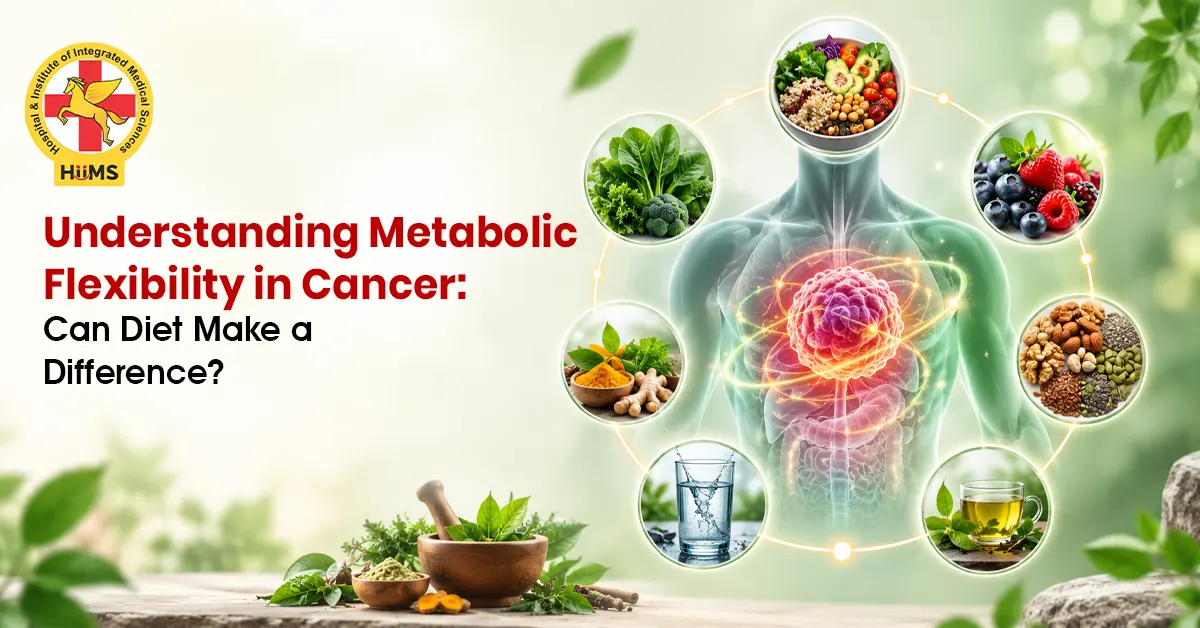
For many years, people thought cancer was purely a genetic problem caused by broken DNA. While genes certainly play a big role, scientists now look at cancer as a metabolic issue. This means it depends on how cancer cells take in food and create energy to grow.
Cancer cells are strong and adaptable. When they grow inside the body they do everything possible to stay alive. Normal cells in your body are pickier about what they consume. But when preferred nutrients run low, cancer cells quickly switch to alternative fuel sources like fats or proteins. This remarkable ability is known as metabolic flexibility in cancer. Understanding this has opened up exciting new paths in cancer nutrition, it shows us how dietary changes can help weaken tumours and support medical care.
What Is Metabolic Flexibility in Cancer?
Healthy cells in your body mostly use sugar (glucose) and oxygen to create energy. This is a simple, orderly process. Cancer cells process energy differently. Even when oxygen is present, they break down sugar rapidly to support rapid growth.
However, sugar is not the only thing cancer cells can eat. If sugar levels drop many cancer cells can easily switch to using fats or proteins instead. This special ability to switch between different fuel sources is called metabolic flexibility in cancer.
This fuel switching habit makes tumor metabolism tricky to deal with, it allows tumour cells to survive in tough conditions where normal cells would struggle to stay alive.
How Cancer Cells Use Fuel Adaptation to Resist Therapy
As a tumor grows bigger, the blood vessels inside it cannot always keep up. This means the inner parts of the tumor often get very little oxygen and fewer nutrients.
This is where metabolic adaptation becomes dangerous. Instead of starving, the cancer cells adjust their inner chemistry. They start burning alternative fuels like amino acids to stay alive.
This flexibility also help cancer cell survive medical treatments. Chemotherapy and radiation put a lot of stress on tumor cells. The cells that adapt their fuel supply quickly are often the ones that survive treatment. This shows why simply blocking one single fuel source is rarely enough to stop cancer on its own.
How Diet Shapes Tumor Survival
Since cancer cells depend heavily on nutrients from the bloodstream, what you eat can directly influence the environment around a tumor. Researchers are studying several dietary approaches to see if changing food choices can limit the tumour’s energy supply
- Fasting and Low-Carb Diet – Reducing sugar and refined carbohydrates lowers insulin levels in the blood. Since many cancer cells rely on high insulin to absorb sugar, avoiding carbs puts additional stress on the tumor.
- Keto Approach – A ketogenic diet focuses on healthy fats and very low carbohydrates. The goal is to force the body to produce ketones for energy which normal cells can use easily, but many cancer cells struggle to process.
- Amino Acid Restriction – Certain tumours rely heavily on specific protein building blocks for growth. Carefully limiting these specific amino acids under doctor supervision can help slow down tumor progression.
The main goal of a therapeutic cancer diet is to close off energy pathways to cancer cells without causing the patient to lose weight or become weak.
How the Jeena Sikho HiiMS Diet Supports Cancer Care
Cancer cells grow best in an acidic and low-oxygen environment. The Jeena Sikho HiiMS Kurukshetra protocol counters this by using a raw, pH-balanced alkaline diet. Rich in fresh fruits, raw vegetables, and living sprouts, this diet helps balance body chemistry. This creates an environment where tumor cells find it much harder to adapt, survive, and spread.
Along with this diet, HiiMS uses natural detox juices made from wheatgrass and fresh leafy greens. These nutrient-rich juices help clear out harmful toxins, lower stress, and nourish healthy tissues. Natural herbs like curcumin, giloy, tulsi, and neem are also added to reduce body inflammation and boost your immune system. Combined together, this pH-balanced diet, green juices, and herbal support help slow down tumor growth while helping the body heal naturally.
Take the first step toward a personalized wellness journey. Book your appointment today to consult with our experts and receive an integrative care plan tailored to your health needs.

Opportunities, Challenges, and Precision Care
Changing food habits to fight disease offers great hope but it also comes with real challenges. Because tumours are so flexible, blocking just one fuel source is rarely enough. If you cut off sugar, the tumour might switch to using proteins or fats. Therefore, modern care focuses on blocking multiple backup routes at once.
At the same time, we must protect the patient’s overall health. One of the biggest risks during cancer treatment is extreme muscle loss and weakness. A strict diet that starves the patient does far more harm than good. This is why proper guidance on nutrition and cancer is so essential. Any dietary changes must be carefully customised to match the individual’s specific type of cancer metabolism, ensuring the body stays strong while the tumour is weakened.
Managing metabolic flexibility in cancer require a balanced strategy that uses natural nutrition to weaken the cancer’s defence mechanism without compromising the patient’s physical strength.
Conclusion
Understanding how cancer cells adapt their energy sources is changing the way we look at treatment. Metabolic flexibility in cancer shows us that tumours are tough, but they are not unbeatable. By combining standard medical care with raw alkaline foods, green detox juices and herbs, we can create an internal environment where cancer struggles to thrive.
If you want personalised care or customised diet guidance, you can visit Jeena Sikho HiiMS Kurukshetra or book a VOPD (video consultation) to consult an expert online. Nutrition is not a magic cure, but when used wisely, it becomes a powerful partner in the healing journey.

FAQs
Q1. What is metabolic flexibility in cancer?
It is the ability of cancer cells to switch their energy source between sugar, fats, and proteins so they can keep growing even when food or oxygen is limited.
Q2. How does a pH-balanced diet help in cancer management?
A pH-balanced diet rich in fresh fruits and vegetables help create an internal alkaline environment. This support healthy tissue repair and reduces acidic stress in the body.
Q3. What role do detox juices play in Jeena Sikho HiiMS cancer care?
Fresh juices made from fresh vegetables, herbs and green leaves deliver concentrated plant nutrients, these juices help clear waste from the bloodstream and reduce metabolic stress.
Q4. Is fasting or a ketogenic diet safe for every cancer patient?
No. While fasting or a low-carb ketogenic diet may help lower blood sugar and stress cancer cells it can also cause weight loss or fatigue in some patients. Extreme diets should only be followed under the guidance of a doctor or clinical nutritionist.
Q5. What role does cancer detox juice play in Jeena Sikho HiiMS cancer care?
Fresh juices made from fresh herbs, specific raw vegetables, and green leaves deliver concentrated antioxidants. These juices help clear waste from the bloodstream and reduce metabolic stress.
Resources:
https://pmc.ncbi.nlm.nih.gov/articles/PMC8832959/
Disclaimer: The information provided on this blog is for general educational and informational purposes only. It is not intended to replace professional medical advice, diagnosis, or treatment. Always consult a qualified healthcare professional before making any changes to your diet, lifestyle, or treatment plan. Individual results may vary.