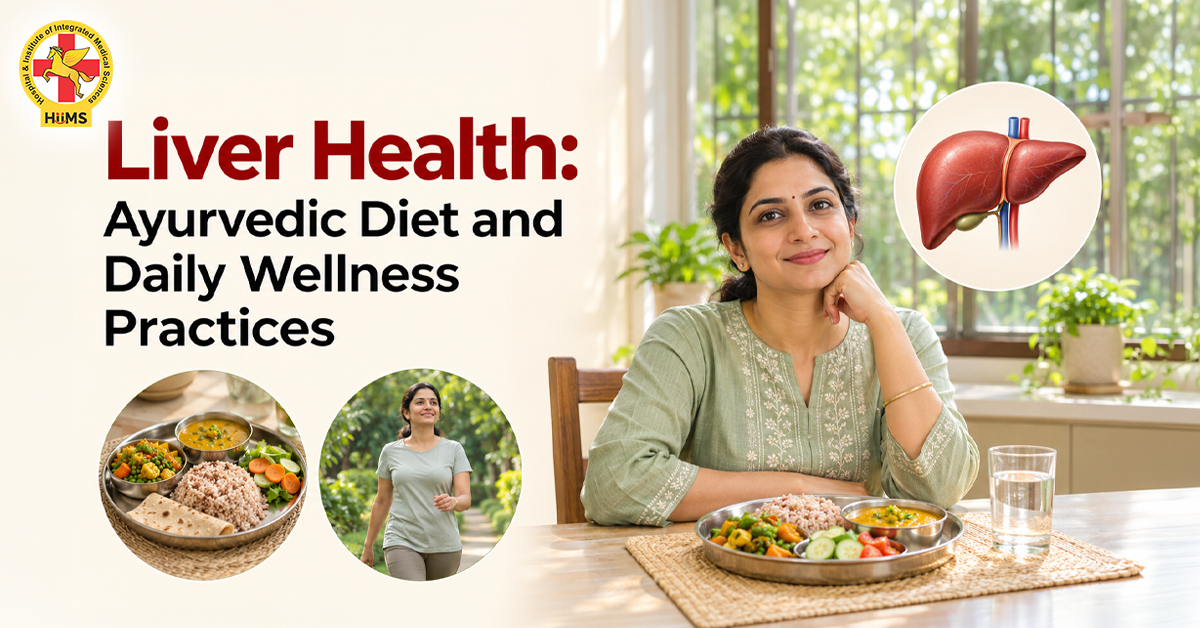

Your liver works quietly through every meal you eat, every medicine you take and every night you sleep. It filters your blood, processes nutrients, stores energy and makes bile for digestion. Because it rarely complains, most people don’t think about it until a blood test or ultrasound raises a flag, often a fatty liver in someone who feels perfectly fine.
Modern life makes this common: long hours sitting, late dinners, sugary drinks, fried snacks and little movement. The reassuring part is that the liver is remarkably resilient, and the steps that protect it are mostly everyday habits. Ayurveda, which calls the liver Yakrit, has long emphasised light food, regular routines and good digestion, and these ideas line up surprisingly well with modern liver care.
This blog covers an Ayurvedic diet for liver health, daily wellness practices, liver health tips, simple home remedies for the liver, an honest look at “natural liver detox” and the safety rules you shouldn’t skip.
The Ayurvedic View of the Liver
In Ayurveda, liver health is linked to balanced Pitta and Kapha and strong digestive fire (Agni). Heavy, oily, sugary, processed food and alcohol are considered to burden digestion and the liver. Regular meals, bitter and unpleasant tastes, warm light food and a steady daily routine (dinacharya) are seen as supportive.
What Does Modern Research Say?
For fatty liver (now called MASLD), the strongest evidence points to lifestyle. Losing 7% to 10% of body weight can reduce liver inflammation and improve scarring, and even a 5% loss can reduce liver fat. A review adds that a 24-hour approach covering diet, physical activity, sedentary behaviour, smoking, alcohol and sleep works best.
There’s encouraging news for those who struggle to lose weight: exercise can help reduce liver fat and prevent scarring even before weight loss. And a 30% or greater reduction in liver fat is frequently seen with lifestyle changes and an average weight loss of 5% or less.
Been told you have a fatty liver or abnormal liver tests? Don’t wait for symptoms. Book a consultation to get a diet and lifestyle plan matched to your reports.
Ayurvedic Diet for Liver Health
An Ayurvedic liver-friendly plate looks a lot like what modern guidelines recommend. Suggest including fibre, fruits, vegetables, legumes, nuts and seeds, and replacing saturated fats with monounsaturated fats.
What to include
- Whole grains: barley (yava), millets, oats and whole wheat with bran, instead of maida
- Pulses and legumes: moong, masoor, chana and other lentils
- Vegetables and bitter greens: karela, methi, palak, lauki, tori and seasonal vegetables
- Fruits: seasonal fruits, especially amla, papaya and guava
- Spices: turmeric, ginger, cumin, coriander and mint in everyday cooking
- Healthy fats in moderation: nuts, seeds and unsaturated oils
- Fluids: warm water, buttermilk and, as per HiiMS guidance, sugarcane juice only in small amounts if you don’t have diabetes or high sugar
What to limit
- Deep-fried foods, namkeen and heavily processed snacks
- Sugary drinks, sweets and refined carbohydrates
- Excess saturated fat, such as too much ghee, butter and red meat
- Alcohol. It strains the liver and should be avoided in fatty liver
- Late-night, heavy meals
Daily Wellness Practices (Dinacharya) for the Liver
- Start the day gently. Drink a glass of warm water, keep bowels regular and wake at a consistent time.
- Time your meals. Have your largest meal around midday and a lighter dinner early in the evening. Avoid overeating and late-night snacking.
- Move every day. Aim for 30 to 45 minutes of moderate activity on most days, such as brisk walking, cycling or yoga. Short walks after meals help too. HiiMS Gurugram’s guidance also notes that light walks, yoga or stretching can support liver function without excess strain.
- Prioritise sleep. Seven to eight hours of regular sleep supports overall metabolic health, and sleep is one of the factors in the 24-hour lifestyle approach.
- Manage stress. Slow breathing, meditation and restorative yoga help regulate stress hormones.
- Quit smoking and keep a healthy weight, since both strongly affect liver and metabolic health.
Want a personalised Ayurvedic diet and daily routine for liver health? Consult an Ayurvedic physician at Jeena Sikho HiiMS and get a plan based on your digestion, lifestyle and reports.
Home Remedies for the Liver: What’s Reasonable?
Kitchen foods are an integral part of balanced nutrition and may help with overall health. Some of the ingredients which are common in Ayurveda practices include:
- Turmeric and ginger: Ingredients that are commonly added to dishes for digestion purposes.
- Amla: A vitamin C-containing food which may be included in a balanced diet
- Coriander and mint: Used in making chutneys, in food dishes and refreshing drinks.
- Vegetables: Bitter vegetables like Karela and methi are usually common in traditional diets
- Warm water or jeera water: Commonly taken during dietary practices.
They can all be thought of as practices related to food rather than effective methods of liver cleansing. The consumption of the above ingredients in typical food amounts will differ from consuming them as extracts, supplements, or powders. If you are looking for ayurvedic formulations as part of your regimen for liver and digestive wellness, then the Jeena Sikho Liver & Digestive Wellness Combo includes Yakrit Care Juice, Dr. Liver Tablets, Pet Shuddhi Granules, and Weekly Shuddhi Shot. The combination includes traditionally used Ayurvedic herbs such as Bhumi Amla, Punarnava, Giloy, Kutki and Harad. It is designed as a combined wellness routine focused on liver health, digestive balance and bowel regularity.
Natural Liver Detox: Fact vs Myth
Your liver is your body’s detox organ, and it does the job continuously. There’s no strong evidence that juice cleanses, detox teas or “liver flush” products clear toxins better than a healthy diet, and some may do harm. Real “detox” support means doing less harm to the liver: cut alcohol, sugary drinks and ultra-processed food, move more, sleep well and keep a healthy weight.
Conclusion
A healthy liver rarely needs a dramatic cleanse. It needs steady, sensible habits: whole, fibre-rich food, less sugar and fried food, no alcohol, regular movement, enough sleep and calm routines. Ayurveda’s emphasis on light food, regular timing and good digestion fits neatly with what modern liver care recommends.
Be cautious with herbs and supplements, because the liver is exactly where they can do harm. Get your liver tested, share every remedy with your doctor and let Ayurvedic guidance work alongside medical monitoring, not instead of it. Start with one or two changes this week, and your liver will gradually thank you for it.
FAQs
1. What is the best Ayurvedic diet for liver health?
A light, freshly cooked, fibre-rich diet with whole grains, pulses, vegetables, bitter greens and seasonal fruit, and minimal fried, sugary and processed food. Alcohol is best avoided.
2. Can fatty liver be reversed naturally?
Sustained weight loss, better diet, exercise, good sleep and no alcohol can reduce liver fat and, over time, inflammation and scarring. Check with your doctor for your stage.
3. Do bad eating practices impact the condition of your liver?
Yes. An unhealthy diet comprising of high consumption of sugar-filled beverages, fast food and fatty foods can result in fat buildup within the liver. Consuming a balanced diet and keeping healthy body weight are ways to maintain good liver health.
4. Are Bhumi amla and Kalmegh safe?
They are herbal remedies but do not take any of them without the approval of your doctor.
5. Is turmeric good for the liver?
In cooking, it’s fine. High-dose turmeric supplements aren’t proven safe for everyone, so ask your doctor before taking capsules.