

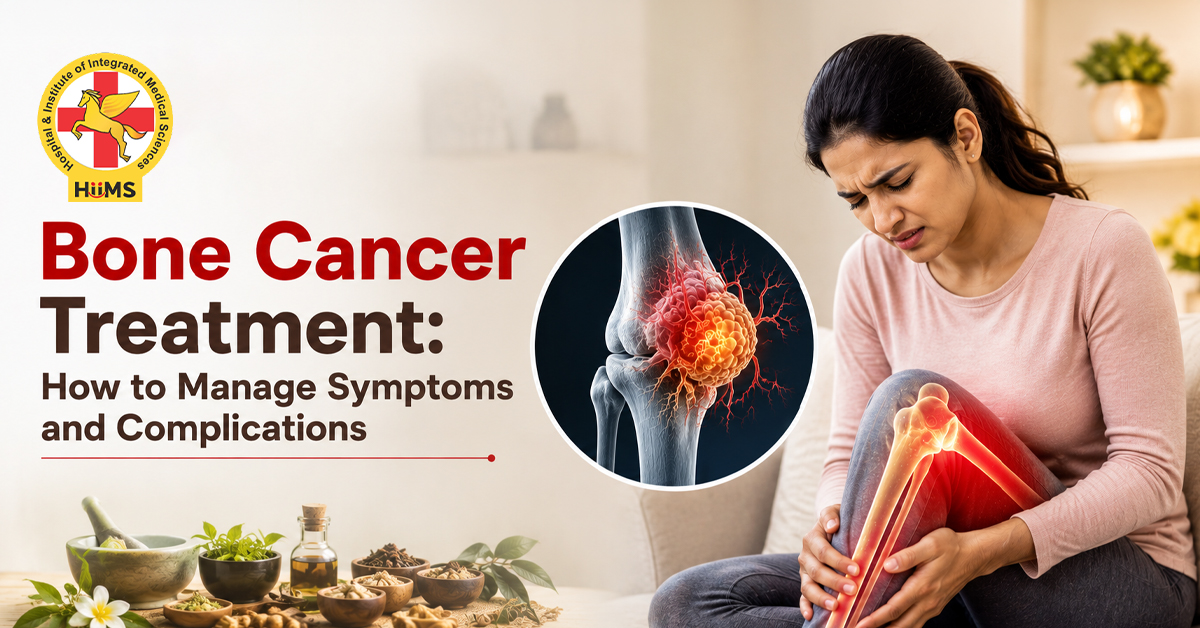
Bone cancer is an ailment that needs to be correctly diagnosed and treated. Bone cancer can arise in the bones, and such cases are described as bone cancers. Alternatively, it can occur when the cancerous cells from other parts of the body affect the bones; it is described as bone metastasis. Though bone cancer and bone metastasis have similar impacts on the bones, there exist certain differences in their diagnosis and treatment.
Bone cancer may cause pain, swelling, sensitivity, and weakness of the affected bones. In some cases, it may cause fractures and difficulties in movement of the adjacent joints. If cancer cells spread to the spine, the patient suffers back pain, weakness, and numbness. Hence, knowledge about bone cancer symptoms is crucial.
Bone cancer treatment depends on the type of cancer, its location, stage and the overall health of the patient. Along with conventional cancer care, some people may also consider Ayurveda as a supportive approach for diet, lifestyle, relaxation and general well-being.
What Is Bone Cancer?
Bones are affected by bone cancer when there are abnormal growths in the bones. There are cancers which affect the bones directly known as primary bone cancers, for example, osteosarcoma (bone cancer) and Ewing sarcoma (cancer affecting the bone or surrounding soft tissues). Bone metastasis is distinct from primary bone cancers since the initial cancer affects another part of the body before spreading to the bones.
For example, when breast cancer spreads to the bone, it is considered metastatic breast cancer rather than a new primary bone cancer. The distinction is important because treatment depends on where the cancer began, how much it has spread and the general health of the person.
Bone metastasis commonly affects areas such as the spine, pelvis, ribs, skull, upper arm and thigh bones. Breast, prostate, lung, kidney and thyroid cancers are among the cancers that may spread to the bones.
What Are the Common Bone Cancer Symptoms?
However, some symptoms may develop gradually and get more pronounced over time.
Some common bone cancer symptoms include:
- Bone pain that does not go away or worsens over time
- Swelling or tenderness at the site of the pain
- Weakness in the bone that hurts
- Difficulty moving a joint near the site of pain
- Fragile bones leading to fractures
- Pain in the back or neck in case the spine is affected
- Numbness or weakness if nerves near the tumor are compressed
- Fatigue or poor appetite in some cases
Persistent bone pain cannot be ignored, especially if it persists without any apparent reason or grows worse over time.
In case the cancer spreads to the bones, it may lead to a disturbance in the body’s calcium balance. If the levels of calcium in one’s blood become elevated, a condition called hypercalcaemia, there could be symptoms such as excess thirst, frequent urination, constipation, nausea, dehydration, weakness, and confusion.
Spinal cord compression symptoms can include sudden or severe back pain, leg weakness, numbness, or difficulty walking.
How Is Bone Cancer Diagnosed?
Diagnosis plays an important role in the bone cancer treatment. Factors that will influence the diagnosis include symptoms, the patient’s history, and the location of the problem.
In the diagnosis process, various tests may be carried out, including X-rays, CT scan, MRI, PET scan, and bone scan. In some cases, blood tests might also be ordered, especially those related to calcium levels.
Accurate diagnosis assists the doctors to identify the nature and stages of the cancer and decide on an appropriate course of action.
Ayurvedic Understanding of Bone Health
Ayurveda describes the body through concepts such as ‘doshas’, ‘dhatus’, ‘agni’ and ‘srotas’. Bone tissue is associated with Asthi Dhatu, while Vata Dosha has an important relationship with movement and the musculoskeletal system.
From an Ayurvedic perspective, an individual’s condition is not assessed only by the name of the disease. An Ayurvedic practitioner may consider digestion, appetite, strength, sleep, bowel habits, food choices, mental well-being and daily routine.
This assessment does not replace medical diagnosis. A person with suspected or confirmed bone cancer needs appropriate cancer investigations and medical care.
At Jeena Sikho HiiMS, Ayurvedic guidance may be considered supportive care according to the person’s condition and ongoing medical treatment.
How Ayurveda May Support Bone Cancer Care
Ayurvedic care during cancer treatment should be understood as complementary support rather than a replacement for oncology treatment.
The approach may focus on food, digestion, daily routine, gentle therapies, relaxation and emotional well-being. Since every patient has a different diagnosis and treatment plan, the approach should be individualised.
Diet and Digestion
Cancer treatment can sometimes affect appetite, digestion and the ability to tolerate certain foods. Simple and nourishing meals may be easier to manage during such periods.
Warm foods such as moong dal khichdi, vegetable soups, cooked vegetables and other easily digestible meals may be considered when they suit the individual. Adequate nutrition is important, so the diet should provide sufficient calories, protein and other nutrients.
There is no single diet that is suitable for every person with cancer. Food choices should be based on appetite, digestion, treatment, nutritional needs and guidance from the healthcare team.
Gentle Ayurvedic Therapies
Certain Ayurvedic external therapies may be considered for relaxation and general comfort. However, extra care is needed when the bone is weakened or affected by cancer.
Strong massage or pressure should not be applied over a tumour, fragile bone or recent surgical area without professional assessment. The location of the cancer and the risk of fracture must be considered before selecting any therapy.
Yoga, Pranayama and Meditation
Cancer care can affect emotional well-being as well as physical health. Anxiety, disturbed sleep and mental exhaustion may occur during treatment.
Gentle yoga, pranayama and meditation may help some people maintain relaxation and a calmer daily routine. However, strenuous exercise may not be suitable for someone with weak or fragile bones.
Movements that put pressure on an affected bone or spine should be avoided unless a qualified professional has assessed the person’s condition.
Ayurvedic Herbs and Medicines During Cancer Treatment
Ayurvedic herbs such as ashwagandha, turmeric, amalaki and tulsi are traditionally used for different health purposes. Some plant compounds have also been studied in laboratory research for their biological effects.
In this case, this becomes especially relevant when one undergoes cancer treatments. Herbal supplements can cause some interference with medicines, and the safety of these supplements depends on the patient’s health status.
Hence, no Ayurvedic medicine or supplement must be used in conjunction with cancer treatments without consulting both the oncologist and an experienced Ayurvedic specialist.
Managing Possible Complications
Bone cancer and bone metastasis can sometimes lead to complications such as weakened bones, fractures, high calcium levels and problems related to the spine.
If a person develops sudden severe bone pain or suspects a fracture, immediate medical attention is important. A new weakness in the legs, numbness, a problem in walking, or severe pain in the back should also be investigated urgently.
Treatment of these problems requires professional medical care. Ayurvedic management of such problems can only be considered after assessing the health status of the patient.
Why Conventional Cancer Treatment Should Not Be Delayed
Bone cancer treatment depends on the type and stage of the disease. Surgery, therapy, targeted therapy or a combination of treatments may be recommended.
Ayurvedic care, when used, should complement the treatment advised by the oncology team. It should not be used as a substitute for established cancer care.
Stopping or delaying recommended cancer treatment in favour of an alternative approach can be dangerous. A coordinated approach allows the treating team to understand all medicines and therapies being used and helps reduce the possibility of avoidable complications.
At Jeena Sikho HiiMS, Ayurvedic guidance can be planned after considering the person’s diagnosis, medicines, treatment history, diet, lifestyle and overall health.
Conclusion
Bone cancer requires proper diagnosis and specialised medical care. Understanding bone cancer symptoms can help a person seek timely medical attention. Bone cancer treatment is dependent upon type, stage, and general well-being. The use of Ayurveda could assist in diet, digestion, routine, and relaxation along with other treatments. At Jeena Sikho HiiMS, one has the choice of choosing a VOPD appointment in order to talk about their diagnosis and medications with an Ayurvedic doctor prior to adopting Ayurveda.
FAQs
-
Can Ayurveda cure bone cancer?
Ayurveda may be used as supportive care alongside conventional cancer treatment.
-
What are the common bone cancer symptoms?
Bone pain, swelling, tenderness, weakness and fractures are common symptoms.
- What is bone metastasis?
Bone metastasis occurs when cancer from another part of the body spreads to the bones. -
Can Ayurvedic herbs be taken during therapy?
Only after consulting your oncologist and a qualified Ayurvedic practitioner.
-
Can yoga play any role during the treatment of bone cancer?
Light yoga and pranayama can help relax, however, all exercises must be customised according to the patient’s health.