
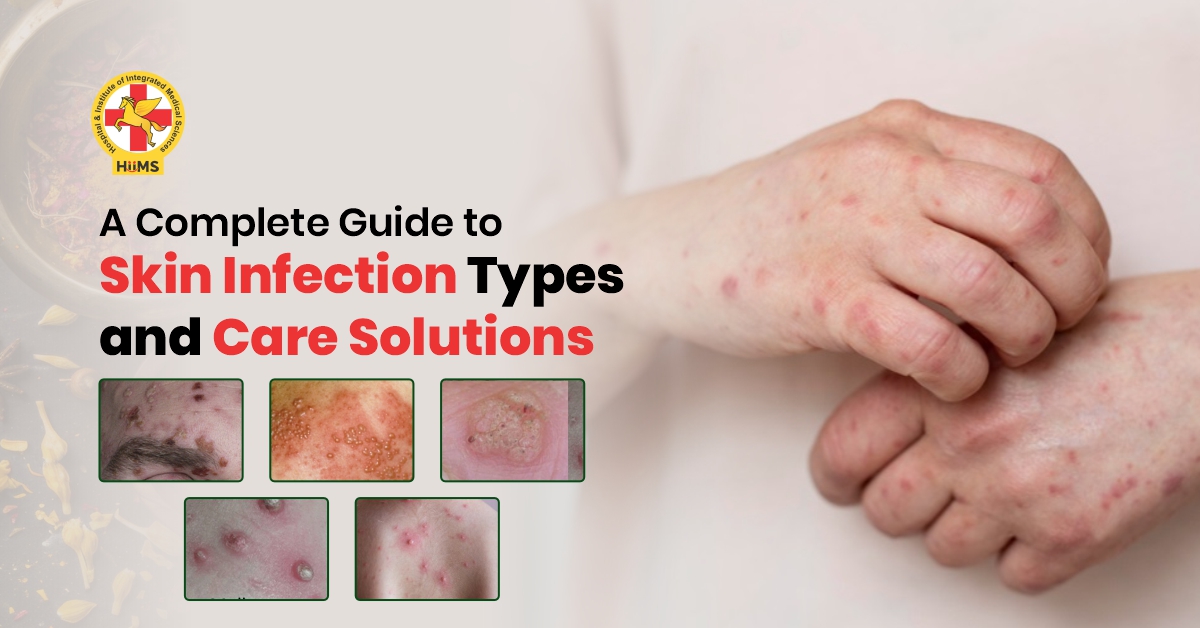
Skin problems are super common, but a lot of people just don’t get what’s actually going on with their skin. Certain things are unpleasant and this will pass, however, when you neglect them it may result in a chronic skin condition. The skin infections may occur due to bacteria, fungi, viruses or even allergies. Your skin health can be damaged by weather changes, poor hygiene, poor immunity or even by constant pollution.
You should not ignore it when you start noticing red spots, itching, swelling, rashes, or strange spots. Treat it when it is small or it will get out of control. A lot of us Google skin infection types or look up skin doctors near me when the spot is giving us a hard time. Being aware of the various types of infection and their treatment may assist you to respond promptly.
This guide breaks down the common skin problems, the different types of skin infections, and the care options that can keep your skin in good shape.
What Are Skin Infections?
Skin infections occur when harmful microbes come in contact with your skin and begin to multiply. These may be bacteria, fungi, viruses or parasites. They either remain on the surface or sometimes get deeper in the layers of skin.
Factors that increase the risk of skin infections are:
- Skipping to wash your hands or take a shower frequently.
- Sweating a lot
- A weak immune system
- Allergic reactions
- Cuts or wounds
- Touching infected surfaces
If you don’t manage these conditions, they can turn into serious skin diseases that need medical help.
Common Skin Infection Types
- Bacterial Skin Infections
When bacteria enter in through the cuts, wounds or damaged skin, bacterial infections kick in. They are typically accompanied by redness, swellings, heat and in some cases pus.
Typical bacteria-related skin problems:
- Impetigo
- Cellulitis
- Folliculitis
These normally require the examination of a doctor to prevent the spread of infection.
- Fungal Skin Infections
Fungi are a top cause of skin problems, especially in warm, humid places. They grow on moist body parts.
Examples:
- Ringworm
- Athlete’s foot
- Yeast infections
Fungus causes itching on your skin, irritation, reddening, and may leave you with a rash in circles.
- Viral Skin Infections
The viruses may also strike your skin and pass on through direct contact. They appear as blisters, small swellings or painful sores.
Common viral skin bugs:
- Warts
- Herpes simplex
- Chickenpox
There are viruses that are self-limiting, and there are those that require the services of a physician to prevent complications.
- Parasitic Skin Infections
Parasites are present on the skin or in it and may result in severe itching. A typical instance is scabies that is transmitted when you are in close contact with an infected person.
Understanding Types of Psoriasis
Psoriasis is a chronic skin disease that disrupts the skin renewal process. The cells of your skin multiply at an excessively rapid rate, forming thick spots and scales.
Common types of psoriasis:
- Plaque Psoriasis—Raised, silver-scaled red patches (most common)
- Guttate Psoriasis—small spots in the form of drops.
- Inverse Psoriasis—It occurs in skin crevices such as under arms or behind knees.
- Pustular Psoriasis—White pimples with red skin.
A doctor will be required to determine the best care.
Symptoms Of What Could Be a Skin Infection
If you see symptoms like
- Constant itching
- Redness or swelling
- Rashes
- Dry or scaly patches
- Pain or burning
- Blisters or pus‑filled bumps
And if it continues or it gets worse, visit a medical practitioner.
Skin Health Care Approaches
Good care is key to handling skin problems. The treatment varies according to the type of infection; however, these are the general habits that keep your skin healthy.
- Maintaining Skin Hygiene
Frequently wash to remove dirt, sweat and bacteria on your skin.
- Balanced Diet
Eating healthy food makes your body strong and may enhance the appearance of your skin.
- Avoiding Irritants
Use harsh chemicals, allergens, or poor skincare products, which might worsen skin problems.
- Medical Consultation
When symptoms do not improve, it is better to visit a dermatologist or look for a skin doctor near me for the right evaluation and advice.
Skin Care Support in Jeena Sikho HiiMS
If you’re dealing with chronic skin problems, you might look into specialists who can dig into the root cause. In Jeena Sikho HiiMS Jhotwara, the healthcare specialists will examine your lifestyle, diet, and other health-related conditions that influence the skin. They will provide lifestyle modifications, dietary suggestions, and supportive therapies that are aimed at well-being.
When Should you visit a Skin Doctor?
Seek medical help if the skin symptoms take more than a few days.
- Rashes spread fast
- Pain or swelling goes up
- Fever comes with skin problems
- Home remedies aren’t working
By receiving early assistance, you can avoid complications and receive the correct care.
Conclusion
Skin infections and other skin problems can happen to anyone, no matter your age. Certain problems can be small in the beginning but neglecting them causes them to get out of control. Being aware of the types of infections, the symptoms of their early stages, and adhering to correct care practices can keep your skin safe.
When the symptoms continue or get worse a qualified doctor is the worst that can happen. Preventive care and early recommendations can have a severe positive impact on your skin. Need additional information or consultation? Call: +91 82704 82704; Email: care@jeenasikho.com.