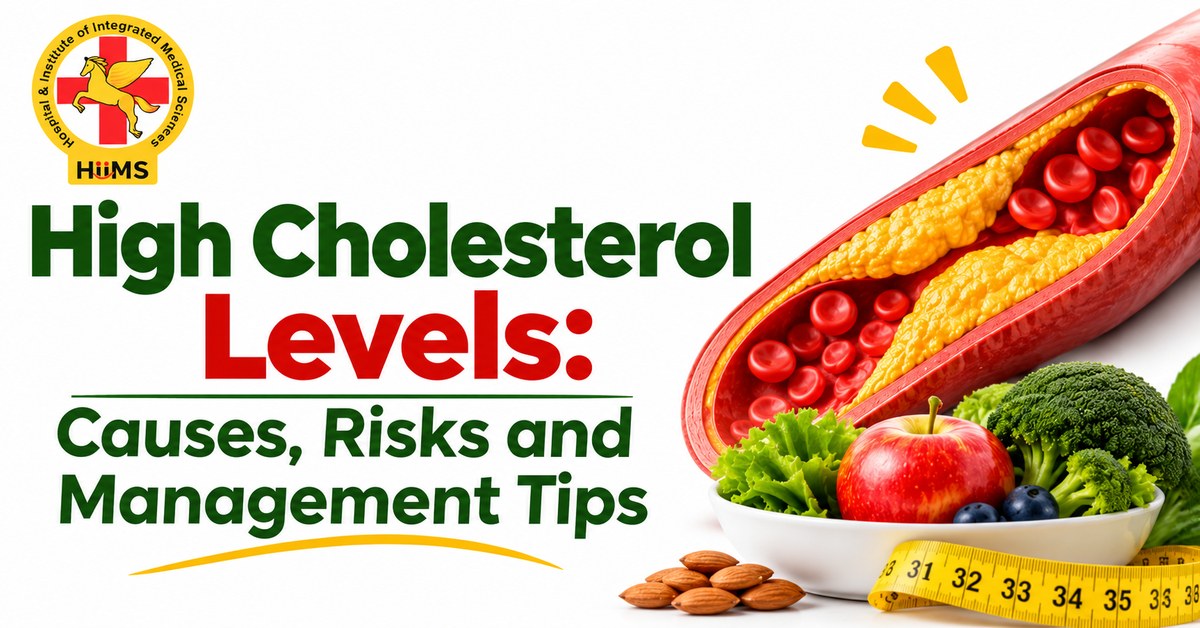

High cholesterol is common in India, yet most people never notice it. There is no pain and no clear warning. In fact, many people only find out during a routine check-up or after a health scare. Often, a blood report is the first indication that something is wrong.
A national study shows how widespread the problem is. The ICMR-INDIAB study checked the lipid profiles of 23,665 adults. It found that 87.3% had at least one abnormal lipid value. Also, low HDL, the “good” cholesterol, was the most common issue. In fact, rates peaked in adults aged 30 to 39.
This blog explains the causes, symptoms and risks in simple words. It also covers daily habits and high cholesterol management options.
What Is High Cholesterol?
Cholesterol is a waxy fat that your body needs. It helps build cells and make hormones. However too much of it can damage your blood vessels.
LDL is the “bad” cholesterol. It carries cholesterol to your cells but extra LDL can stick to artery walls. HDL is the “good” cholesterol. It carries extra cholesterol back to the liver for removal. Triglycerides are a type of blood fat. They store unused calories as energy, but high levels also raise heart risk.
Next, let us look at why levels rise.
Not sure what your LDL, HDL and triglyceride numbers mean? Talk to our expert.
High Cholesterol Causes
Several everyday factors push cholesterol up. Some you can change, and some you cannot.
- Unhealthy Diet: Fried snacks, sweets, refined flour, and butter raise LDL and triglycerides. Many Indian meals are also heavy in carbohydrates.
- Belly Fat: Extra weight around the waist is closely linked to abnormal blood fats.
Did you know? In the ICMR study, abdominal obesity was the strongest predictor of abnormal lipids. It is also one of the high cholesterol causes you can change.
- Low Physical Activity: Long hours of sitting slow your metabolism. As a result weight gain and lower HDL become more likely.
- Diabetes: Diabetes and insulin resistance disturb how the body handles fat. This often means high triglycerides and low HDL.
- Genes: South Asians tend to have lower HDL, partly due to genetic factors. A family history of high cholesterol also raises your risk.
- Smoking: Smoking damages artery walls and lowers HDL. So the same cholesterol does more harm.
- Ongoing Stress: Stress can disturb your metabolism and push blood fats up. Poor sleep adds to this risk.
- Age: Total cholesterol and LDL tend to rise as you get older.
Now, how would you know if your levels are high?
High Cholesterol Symptoms
Most people with high cholesterol notice nothing. The condition stays silent for years. Only a lipid profile test can confirm it.
Trouble appears later, when fat builds up in the arteries. For example, chest discomfort, breathlessness on stairs and leg pain while walking may point to a heart or circulation problem. These signs are not cholesterol symptoms themselves. However, they need a doctor’s attention.
That is why regular testing matters, even when you feel healthy.
Not sure if your cholesterol is in range? Talk to our expert.
Risks of Untreated High Cholesterol
Extra cholesterol forms plaque inside the arteries. Over time, this plaque narrows them. As a result, blood flow to the heart, brain, and legs can drop.
This raises the risk of heart attack, stroke and poor leg circulation. In India, cardiovascular disease causes 24% of deaths among adults aged 25 to 69.
High cholesterol also rarely travels alone. It often appears with diabetes, high blood pressure, and fatty liver. So managing it protects more than your heart.
The good news is that daily habits make a real difference. Small, steady changes add up over months.
Management Tips: Daily Habits That Support Healthy Cholesterol
Lifestyle is the first and most useful step. Start with these five habits.
Eat to Support Your Lipids
Build your plate around oats, barley, millets, dal, fruits, and green vegetables. Garlic and nuts also fit well. Cut back on fried food and packaged snacks. Choose home-cooked vegetarian meals as often as you can. In addition, fibre-rich foods keep you full for longer, which helps with weight control.
Move Every Day
Aim for a brisk 30-minute walk on most days. Even a short walk after meals is a good start. Yoga helps too. Poses like Surya Namaskar and Bhujangasana keep the body active, while Pranayama calms the mind. Above all, consistency matters more than intensity.
Watch Your Waistline
Since belly fat is a key risk, track your waist size. Small steps help such as smaller portions and fewer late-night meals. Also, avoid sitting for long hours. Stand up and stretch every hour.
Sleep Well and Manage Stress
Poor sleep and stress can both disturb your metabolism. So keep a fixed sleep time and avoid screens before bed. Also, try ten minutes of meditation or Pranayama each day to reduce stress.
Avoid Tobacco and Limit Alcohol
Smoking damages your arteries and lowers HDL, so the same cholesterol does more harm. Quit smoking and avoid chewing tobacco. Also, limit alcohol, because too much of it can raise triglycerides.
Test Regularly
Because high cholesterol symptoms rarely show, testing is your best guide. Get a lipid profile once a year, or as your doctor advises. Also, test earlier if you have diabetes or a family history of heart disease.
Sometimes habits alone are not enough. In that case, seeking help from expert doctors is required.
High Cholesterol Management: What Modern Medicine Offers
Doctors usually begin with a lipid profile test. Then they advise diet and exercise changes. Many also prescribe medicines such as statins to lower LDL.
This path works well for many people. However, it has limits. It Management is often long-term and needs regular blood tests. Some people also report side effects. For this reason, many look for supportive care alongside their medicines.
Medicines work on the numbers. Daily habits still matter, even when you take them. Ayurveda offers one such approach.
Ayurvedic View of High Cholesterol
Ayurvedic support for high cholesterol starts with understanding the cause. Ayurveda links the condition to Medoroga, a disorder of fat tissue. It also relates to Santarpanajanya vyadhi which means diseases of overnourishment. This is why high cholesterol management in Ayurveda looks at the whole body, not just one number.
Ayurveda sees weak Agni, or digestive fire, as the root. When digestion is weak, Ama, or undigested waste, builds up. Kapha dosha also rises. Together, these changes increase fat in the body.
So the traditional approach works on digestion, diet, herbs, and lifestyle for lipid-lowering.
Curious how Ayurveda supports healthy cholesterol? Consult our experts.
Ayurvedic Support for High Cholesterol at Jeena Sikho HiiMS
Cholesterol care works best when you manage food, digestion, and your daily routine together. Jeena Sikho HiiMS is an integrated hospital that combines Ayurveda, Naturopathy, Homeopathy, Unani, and modern science. Its high cholesterol management approach supports the body through the following therapies:
- Hriday Basti: Warm herbal oil is held over the chest. Traditionally this nourishes the heart region and calms Vata.
- Panchkarma: Detox therapies such as Virechana (therapeutic purgation) and Basti (medicated enema) help clear built-up Ama. In a controlled study of 90 patients, Virechana helped lower triglycerides. Lekhana Basti helped lower cholesterol.
- Herbal support: Herbs such as Arjuna and Guggul are traditionally used to support heart health and healthy lipids.
Arjuna has drawn research attention. In a 2019 study 100 patients with coronary artery disease took Arjuna bark powder for one month. Their total cholesterol fell by 10.2% and LDL by 9.59%. HDL rose by 10.48%.
- pH-balanced diet: This diet is mainly built around fresh fruits and raw vegetables. Simple, light meals ease digestion and support weight control.
- Mind & Body Healing: Yoga and meditation help manage stress, which can affect lipids. Practical guidance on movement, sleep and daily routine is also given to align the body with the circadian rhythm.
Together, these therapies work as supportive care. Each plan is personalised after a consultation, based on your lipid report.
Take the first step toward healthier cholesterol with expert guidance from Jeena Sikho HiiMS. Book a VOPD (video consultation) to connect with an expert from home.
Conclusion
High cholesterol often stays silent for years, making it easy to miss. The encouraging part is that you can act early. A simple lipid test shows where you stand, and everyday habits like balanced meals and regular walks help keep your numbers in check. Jeena Sikho HiiMS offers an integrated approach for more Ayurvedic support.
Want a personalised care plan? Visit Jeena Sikho HiiMS to get expert guidance.
FAQs
1. What is a normal cholesterol level?
A total cholesterol level below 200 mg/dl is generally considered desirable. Doctors also check LDL, HDL and triglycerides so a full lipid profile gives the clearest picture.
2. Can young people have high cholesterol?
Yes. In the ICMR study abnormal lipid values were most common between ages 30 and 39.
3. Does high cholesterol cause any signs in the body?
Usually not. A blood test is the only reliable way to know your cholesterol levels.
4. Which foods help keep cholesterol in range?
Oats, barley, millets, dal, fruits, green vegetables, garlic and nuts are good choices.
5. What does Jeena Sikho HiiMS offer for cholesterol care?
HiiMS offers Hriday Basti, Panchkarma, herbal support, a pH-balanced diet, lifestyle guidance and Mind & Body Healing as supportive care.