

Back pain can affect your daily routine, sleep, and ability to move comfortably. Although many cases improve with appropriate care and lifestyle changes, lasting relief often requires understanding the underlying cause. Choosing the right back pain treatment in Jaipur can help you manage discomfort and improve your quality of life.
Back pain is a common health concern in India. A 2025 Indian study reviewed records of more than 2 lakh patients across 18 states. Among them, 16,866 people had lower back pain. Approximately two-thirds were women, while six in ten were overweight. These findings highlight the importance of understanding back pain and its associated risk factors.
This blog covers the different types of back pain, common causes, warning signs, conventional treatment options, and how Ayurveda may support back pain management.
Acute vs Chronic Back Pain: What’s the Difference?
Back pain is generally classified according to how long it lasts and how frequently it occurs.
Acute Back Pain
Acute back pain develops suddenly, often after lifting a heavy object, making an awkward movement, or experiencing an injury. It generally improves within a few days to six weeks.
Subacute Back Pain
Subacute back pain lasts between six and twelve weeks. It may occur when an initial episode takes longer to resolve than expected.
Chronic Back Pain
Chronic back pain lasts longer than three months or repeatedly returns. Poor posture, spinal disc problems, age-related changes, and other underlying conditions may contribute to persistent discomfort.
While mild acute pain may improve with gentle movement and appropriate self-care, persistent pain requires proper assessment and an individualised management plan. Identifying the possible cause is an important first step.
Experiencing recurring back pain? Consult our experts to understand your symptoms and explore suitable care options.

Common Causes of Back Pain
The causes of back pain vary depending on the affected area, daily activities, and underlying health conditions. Understanding the difference between lower and upper back pain can help you recognise possible triggers.
Lower Back Pain Causes
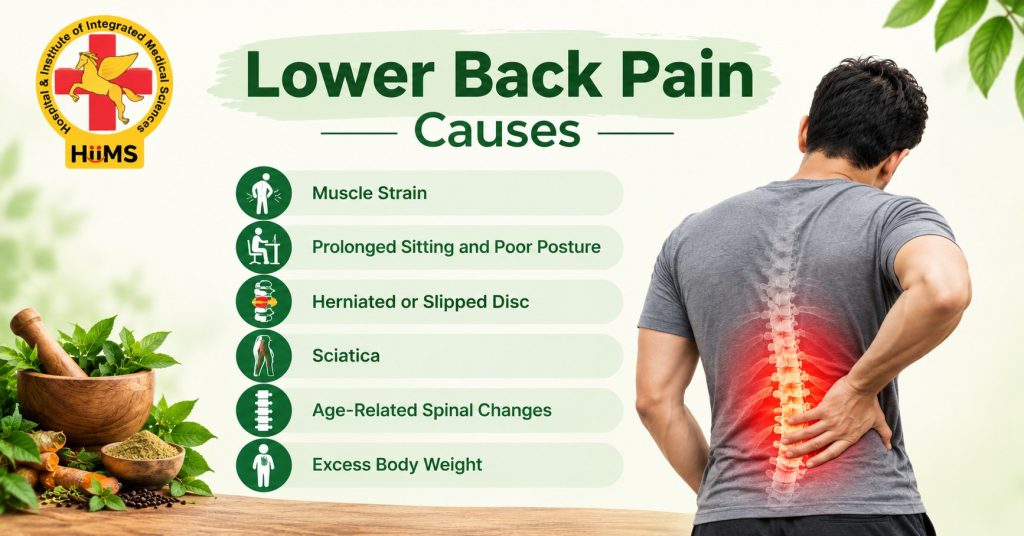
- Muscle Strain
Lifting heavy objects incorrectly, sudden movements, or excessive physical activity can strain the muscles and ligaments supporting the lower back. This may lead to soreness, stiffness, and restricted movement.
- Prolonged Sitting and Poor Posture
Sitting for extended periods without adequate support may contribute to back discomfort. Slouching and remaining in the same position for too long can also increase muscular strain.
- Herniated or Slipped Disc
Spinal discs act as cushions between the vertebrae. When a disc bulges or herniates, it may irritate nearby nerves and cause pain, tingling, or numbness.
- Sciatica
Sciatica occurs when the sciatic nerve becomes irritated or compressed. The pain may begin in the lower back or buttock and travel down one leg.
- Age-Related Spinal Changes
As people age, the spinal discs and joints may undergo changes that contribute to stiffness and discomfort. Conditions such as spinal osteoarthritis can also affect mobility.
- Excess Body Weight
Additional body weight may increase the mechanical load on the lower back, potentially contributing to discomfort, especially when combined with limited physical activity.
Upper Back Pain Causes
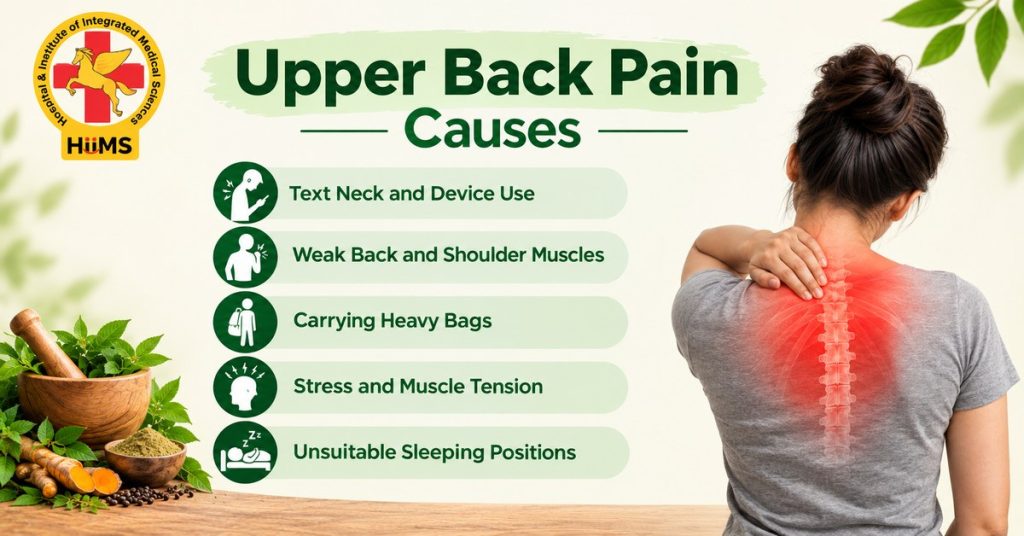
- Text Neck and Device Use
Frequently bending your head towards a mobile phone or laptop can strain the neck and upper back muscles.
- Weak Back and Shoulder Muscles
Reduced muscular strength and endurance may make it harder to maintain comfortable posture during everyday activities.
- Carrying Heavy Bags
Carrying a heavy bag on one shoulder may place uneven stress on the neck, shoulders, and upper back.
- Stress and Muscle Tension
Stress can increase muscle tension around the shoulders and upper back, sometimes contributing to discomfort.
- Unsuitable Sleeping Positions
An uncomfortable pillow, inadequate support, or a sleeping position that aggravates your symptoms may contribute to morning stiffness. Although many episodes of back pain are related to muscular strain or everyday habits, persistent or severe symptoms should not be ignored.
When to Consult a Back Pain Doctor in Jaipur
Consider consulting a back pain doctor in Jaipur if you experience any of the following:
- Back pain that persists for more than two to three weeks.
- Pain that spreads into one or both legs.
- Numbness, tingling, or weakness in the legs.
- Back pain following a fall, accident, or other injury.
- Back pain accompanied by fever or unexplained weight loss.
Seek emergency medical care immediately if back pain is accompanied by new loss of bladder or bowel control, difficulty passing urine, or numbness around the groin or inner thighs. These symptoms can indicate a serious spinal nerve problem.
Early assessment can help identify the cause and determine the most appropriate treatment.

Common Back Pain Treatments and Their Limitations
Treatment for back pain depends on its cause, severity, duration, and effect on daily activities. Common approaches include:
Pain-relieving medicines: Doctors may recommend suitable medicines to manage discomfort. However, some painkillers can cause stomach, kidney, or other side effects, particularly when used inappropriately or for prolonged periods.
Physiotherapy: Guided exercises can improve flexibility, strengthen supporting muscles, and help restore movement.
Injections: In selected cases, injections may help manage particular types of back pain. Their benefits and duration of relief vary.
Surgery: Surgery may be considered for specific spinal conditions, especially when there is significant nerve compression or when other appropriate treatments have not helped.
Each treatment has potential benefits and limitations. The best approach depends on an accurate diagnosis, and surgery or other invasive procedures are not necessary for most uncomplicated cases of lower back pain.
Alongside medical care, appropriate exercise, posture correction, and healthy daily habits can support recovery and reduce the risk of recurring symptoms.
How Ayurveda Views Back Pain
In Ayurveda, lower back pain is commonly associated with the traditional concept of Kati Shool, while stiffness or restricted movement may be described as Katigraha.
Ayurvedic approaches often associate these conditions with an imbalance of Vata dosha. Traditional Ayurvedic descriptions also discuss Ama, a concept associated with impaired digestion and the accumulation of metabolic waste.
From this perspective, Ayurvedic care may focus on supporting mobility, easing stiffness, improving daily routines, and maintaining overall well-being. The appropriate approach depends on the person’s symptoms, medical history, and underlying condition.
Ayurvedic assessment should complement, rather than replace, necessary medical investigations and evidence-based treatment.
Back Pain Treatment in Jaipur at Jeena Sikho HiiMS Hospital
Jeena Sikho HiiMS Hospital in Jaipur offers an Ayurvedic approach to individualised healthcare. Patients seeking back pain treatment in Jaipur can consult the healthcare team to discuss their symptoms, medical history, and suitable management options.
Depending on the assessment, the care plan may include traditional Ayurvedic therapies, dietary guidance, and lifestyle recommendations.
1. Kati Basti
Kati Basti is a traditional Ayurvedic procedure in which a ring made from herbal dough is placed over the lower back and filled with comfortably warm medicated oil.
The procedure is traditionally used to support relaxation and ease stiffness. It may be considered for selected patients after professional assessment. Its effectiveness can vary, and it should not replace treatment for serious spinal conditions.
2. Prishta Basti
Prishta Basti is a similar traditional procedure in which warm medicated oil is retained over a larger area of the back.
It may be considered for people experiencing back stiffness or discomfort, depending on their individual needs. The practitioner should assess the cause of the symptoms before recommending this procedure.
3. Patra Pottali Swedan and Nadi Swedan
Patra Pottali Swedan involves applying warm herbal bundles to selected areas of the body. Nadi Swedan uses directed herbal steam as part of a traditional Ayurvedic procedure.
These approaches are traditionally used to promote relaxation and ease muscular stiffness. Temperature and duration must be carefully controlled to avoid burns, and these procedures may not be suitable for everyone.
4. Lepam
Lepam involves applying a prepared herbal paste to a selected area of the body.
Depending on the formulation, it may be used as part of traditional Ayurvedic care for local discomfort. Its suitability depends on the individual’s condition and skin sensitivity.
5. Panchakarma
Panchakarma refers to a group of traditional Ayurvedic procedures. Basti, one of these procedures, is traditionally associated with Vata management.
Not every Panchakarma procedure is appropriate for every patient. A qualified practitioner should assess the patient’s health, medications, and underlying condition before recommending any procedure.
6. Herbal Support
Ayurvedic practitioners may consider herbs such as Ashwagandha, Bala, Guggul, or Shallaki as part of an individualised plan.
However, evidence for their effectiveness in back pain varies. Herbal products can also cause side effects or interact with medicines, so they should only be used after discussing their suitability with a qualified healthcare professional.
7. Personalised Dietary Guidance
A balanced diet can support overall health, healthy body weight, and recovery. Depending on individual needs, dietary recommendations may include fresh vegetables, fruits, whole grains, adequate protein, and sufficient hydration.
Some patients may receive additional dietary guidance as part of their care plan. Specific restrictions or specialised diets should be based on individual nutritional requirements and medical advice rather than assumed to treat back pain directly.
Lifestyle and Mind-Body Practices for Back Pain Management
Daily habits play an important role in maintaining mobility and managing recurring back discomfort.
Yoga, when adapted to a person’s condition, may help improve flexibility, movement, and confidence during daily activities. Gentle breathing exercises and meditation may also support stress management and relaxation.
An Indian trial involving 80 adults with chronic lower back pain evaluated a seven-day programme and reported improvements in disability and spinal flexibility with yoga compared with regular exercise. However, a small, short-term study cannot establish that yoga works for everyone or provides lasting relief.
A suitable plan may include:
- Gentle, individually appropriate stretching and strengthening exercises.
- Posture guidance for sitting, standing, and working.
- Sleep and activity recommendations.
- Stress-management practices.
- Gradual return to normal daily activities.
Patients considering Ayurvedic care at Jeena Sikho HiiMS Hospital in Jaipur should undergo an appropriate assessment before starting a new therapy or exercise programme.
Looking for back pain relief in Jaipur? Consult the Jeena Sikho HiiMS Hospital team to discuss your symptoms and explore suitable care options.

Daily Habits for Long-Term Back Pain Management
Alongside professional care, the following habits may help support back health.
- Maintain Comfortable Posture
Use a supportive chair and change positions regularly. Take short movement breaks every 30 to 45 minutes when working at a desk.
- Lift Objects Safely
Keep the object close to your body, bend at your hips and knees, and avoid twisting your back while lifting.
- Choose a Comfortable Sleeping Surface
Select a mattress and pillow that provide comfortable support. There is no single mattress type that works best for everyone.
- Maintain a Healthy Weight
If excess weight is contributing to back strain, gradual weight management may help reduce mechanical stress on the spine.
- Stay Physically Active
Walking and appropriate strengthening exercises can support mobility. Gentle yoga poses, such as Bhujangasana and Marjariasana, may be suitable for some people, but they should be avoided or modified if they worsen pain or are unsuitable for the underlying condition.
- Avoid Prolonged Bed Rest
Unless a healthcare professional advises otherwise, maintaining gentle activity is generally preferable to extended bed rest for uncomplicated back pain.
These habits can complement a suitable treatment plan, but persistent or worsening symptoms require professional assessment.
Conclusion
Back pain may be acute or chronic, and its causes range from muscle strain and poor posture to disc problems and other spinal conditions. Although many cases improve with appropriate care, persistent pain requires a proper assessment to identify its underlying cause.
Ayurveda offers traditional approaches involving therapies, dietary guidance, and lifestyle practices that may support symptom management in selected patients. However, results vary, and these approaches should not replace necessary medical evaluation or evidence-based treatment.
If you are looking for back pain treatment in Jaipur, consult Jeena Sikho HiiMS Hospital to discuss your symptoms and receive guidance based on your individual needs.
You can also enquire about a video consultation (VOPD) to discuss your concerns from home.

(FAQs)
1. Where can I seek back pain treatment in Jaipur?
You can contact Jeena Sikho HiiMS Hospital in Jaipur to enquire about consultation and available care options. A qualified healthcare professional can assess your symptoms and guide you towards suitable treatment.
2. Can Ayurveda help manage chronic back pain?
Ayurvedic therapies and lifestyle practices may help some people manage discomfort as part of an individualised care plan. Results vary, and chronic back pain should be assessed to identify any underlying spinal or medical condition.
3. How many Kati Basti sessions are required?
The number of sessions depends on the patient’s condition and the practitioner’s assessment. There is no standard number that is suitable for everyone, and the procedure’s potential benefits and limitations should be discussed before starting.
4. Can back pain improve without surgery?
Yes. Many cases of back pain improve with appropriate activity, exercise, physiotherapy, and other conservative treatments. Surgery is considered only for selected conditions when clinically indicated.
5. What are the hospital timings, and how can I book an appointment?
Please contact Jeena Sikho HiiMS Hospital directly to confirm the Jaipur location’s current consultation timings and appointment availability. You can also enquire about booking options and video consultation services.
Important: Back pain accompanied by new bladder or bowel dysfunction, numbness around the groin, or rapidly worsening leg weakness requires urgent medical assessment.