

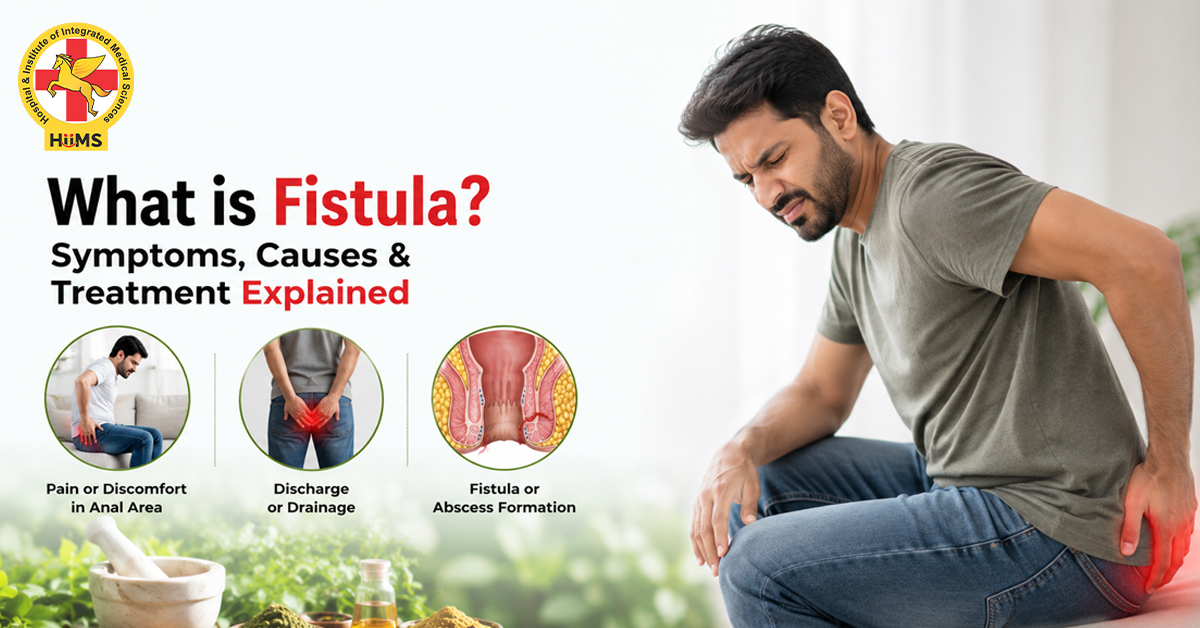
Pain near the anal area, swelling, pus discharge, or discomfort while sitting often gets ignored for weeks. Many people feel embarrassed talking about it, so they delay proper care. That delay sometimes makes the condition worse. This is exactly why learning what is fistula becomes important before complications start affecting daily life badly.
A fistula is not just a small skin problem. It usually develops as an abnormal tunnel inside the body, often after infection or inflammation. In many cases, people first notice irritation, drainage, or pain that keeps showing up again after a few days. Some take medicines for temporary comfort, but the actual issue may still stay inside quietly.
At places like Jeena Sikho HiiMS, people now also explore supportive Ayurvedic approaches alongside proper medical guidance. According to wellness guidance often shared by Acharya Manish Ji, long term recovery usually needs focus on digestion, immunity, routine, and internal balance instead of only short term relief.
What Is Fistula and Why Does It Happen?
To understand what is fistula, imagine an unwanted tunnel developing between two body parts that normally should stay separate. This passage may allow pus, blood, stool, or fluids to move into places where they should not go.
The most common type is an anal fistula. It usually forms near the anus after infection in small glands around that area. Sometimes an abscess develops first. After that, a tunnel slowly forms beneath the skin.
Several fistula causes are commonly linked with this condition:
- Infection near the anal region
- Chronic inflammation
- Crohn’s disease
- Surgery complications
- Injury or trauma
- Poor immunity
- Repeated abscess formation
Honestly, many people ignore early infection signs. That delay often allows the problem to grow deeper internally.
What are Fistula Symptoms People Commonly Ignore?
Many people search online for what is fistula only after pain becomes difficult to tolerate. But the body usually gives small warning signs much earlier. Some common anal fistula symptoms include:
- Pain on sitting or on defecation
- Swelling around the anus
- Drainage of pus or blood
- Irritation of skin
- Unpleasant smell near the afflicted area
- Recurrent boils or abscesses
Not every person experiences the same discomfort. Some people mainly notice drainage, while others feel throbbing pain daily.
Certain fistulas in other body areas may also cause symptoms linked with urination, digestion, breathing, or hearing, depending on the affected organ.
Different Types of Fistulas
Many people think fistulas happen only near the anal region, but several types exist.
- Anal fistula is the most common form and affects the area around the anus.
- Arteriovenous fistula connects an artery and vein. Sometimes doctors intentionally create this for dialysis support.
- Vaginal fistulas may connect the vagina with nearby organs like the bladder or rectum.
- Tracheoesophageal fistula affects the food pipe and windpipe connection.
- Perilymphatic fistula affects the ear and balance system.
Among all these, anal fistulas are the ones people most commonly discuss while searching for fistula treatment.
How Doctors Diagnose the Problem
Diagnosis usually starts with discussion about symptoms and a physical examination. Doctors can suggest scans or tests to know the exact location and depth of the tunnel. In some cases, MRI, CT scan, colonoscopy, or blood tests may also help.
Honestly, early diagnosis matters more than people realise. Small infections sometimes become much more difficult later if ignored repeatedly.
Ayurvedic Approach Toward Fistula Treatment
In Ayurveda, the condition is often connected with digestive imbalance, toxin accumulation, poor eating habits, and inflammation inside the body.
The Ayurvedic care at Jeena Sikho HiiMS is supportive care, treating not just superficial suffering, but internal balance. Acharya Manish Ji often mentions that the long term wellness support may involve digestive correction, the right routine and internal cleansing, too.
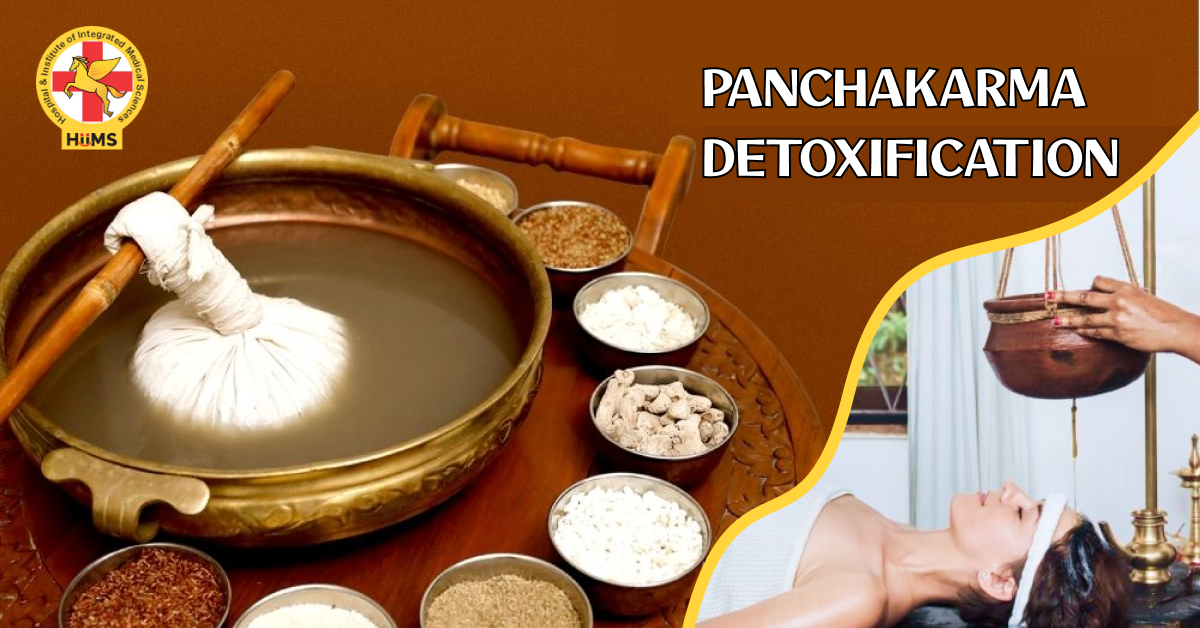
Jeena Sikho HiiMS also offers Panchakarma support therapies and pH-balanced dietary guidance for people exploring supportive care for fistula-related discomfort.
Panchakarma therapies are traditionally associated with detoxification, improved digestion, and internal cleansing.
In addition to this, balanced eating habits may help minimise discomfort and promote naturally smoother bowel movements. Many people prefer this supportive approach because it feels gentler on the body than relying solely on repeated symptom management.
Daily Habits That Quietly Affect Recovery
Food and routine matter more than most people think. Very spicy meals, inadequate fluid intake, constipation, extended sitting, stress and irregular sleep may steadily increase the discomfort. Simple behaviours often work better to aid recovery:
- Eating lighter meals
- Drinking enough water
- Avoiding constipation
- Walking daily
- Keeping digestion steady
- Maintaining proper hygiene
Small routines may not seem powerful at first, but they quietly support healing over time.
Conclusion
Learning what is fistula early may help people seek proper care before infection, pain, or drainage become more serious. Conditions like this should never be ignored repeatedly out of embarrassment or fear. Proper guidance matters.
At Jeena Sikho HiiMS, many people now explore supportive Ayurvedic care, Panchakarma therapies, balanced food routines, and lifestyle correction along with medical advice for better long term comfort and recovery support. According to wellness teachings often shared by Acharya Manish Ji, the body often responds better when healing focuses on both internal balance and everyday habits together.
Suppose you are still unclear about which approach could be better for your condition, you may also book an appointment with the Jeena Sikho HiiMS doctors to have a better understanding of your health status before moving to the next step.

Also Read about
Piles Hospital Near me
FAQs
- What is fistula in simple words?
It is an abnormal tunnel or connection that forms between two body parts where it should not.
- What are common anal fistula symptoms?
Pain, swelling, pus discharge, bleeding, skin irritation and repeated boils near the anal area are common signs. - What are the main fistula causes?
Infections, abscesses, inflammation, Crohn’s disease, injury or surgery complications are common reasons. - Is surgery the only fistula treatment?
Not always. Treatment depends on severity. Some people may try supportive Ayurvedic remedies together with medical treatment. - Can fistulas recur after treatment?
Yes in some circumstances it may recur, especially if the infection or inflammation persists.
