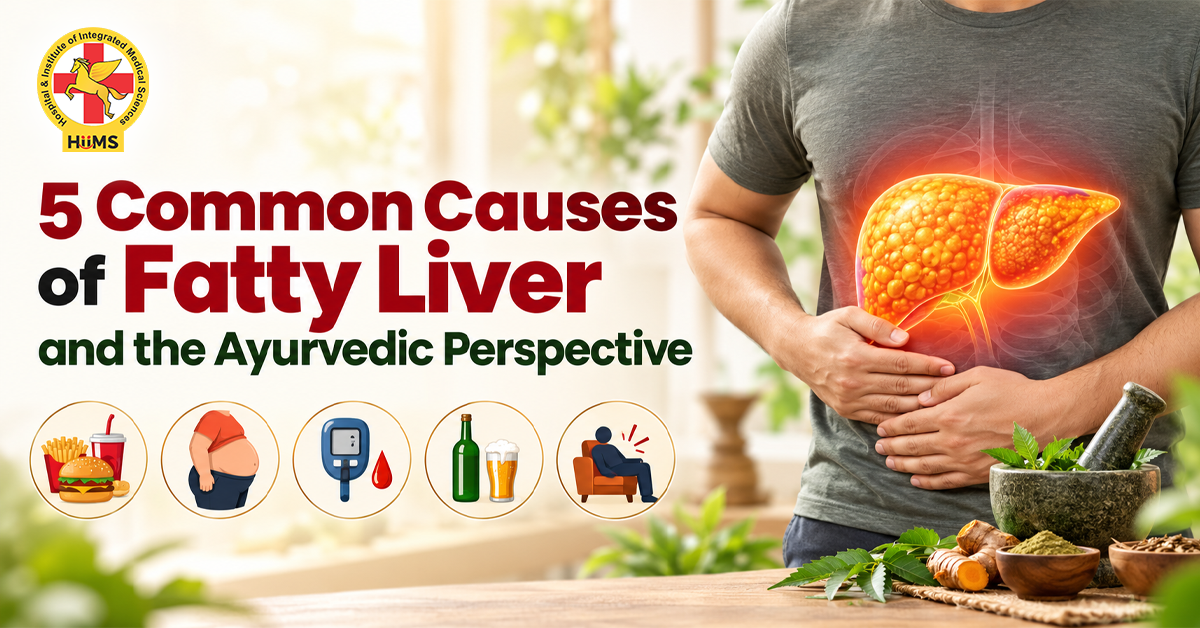

Fatty liver means extra fat has collected inside the liver. The liver digests food, processes nutrients, and clears harmful substances from the blood. When fat builds up, this work may slow down. Many people feel nothing in the early stage, so the problem often stays hidden for years.
In India, busy routines, frequent consumption of unhealthy foods, diabetes, and weight gain are adding to concerns about fatty liver. A review on PubMed Central estimates that 16 to 32 percent of Indian adults live with it. That is nearly 120 million people. A person does not always need to be overweight to develop it.
Knowing the causes of fatty liver is the first step toward better daily choices. Ayurveda gives weight to digestion, balanced meals, and a steady routine. These daily habits may help keep your liver healthy, while regular checkups help you stay informed. In this blog, you will read five common reasons, what research says, and how a natural approach may help.
Understanding the Fatty Liver Symptoms
Fatty liver is usually a silent condition. When fatty liver symptoms develop, a person may experience:
- Tiredness or weakness
- Pain or uneasiness in the upper right belly
- A feeling of heaviness after meals
The NIDDK guide also describes it as a disease with few or no symptoms, and other health problems can also cause the same signs.
Causes of Fatty Liver: 5 Common Reasons
A person may have several contributing factors at the same time. The US National Institute of Diabetes and Digestive and Kidney Diseases says experts are still studying the exact causes, but health conditions, genes, and diet all play a part.
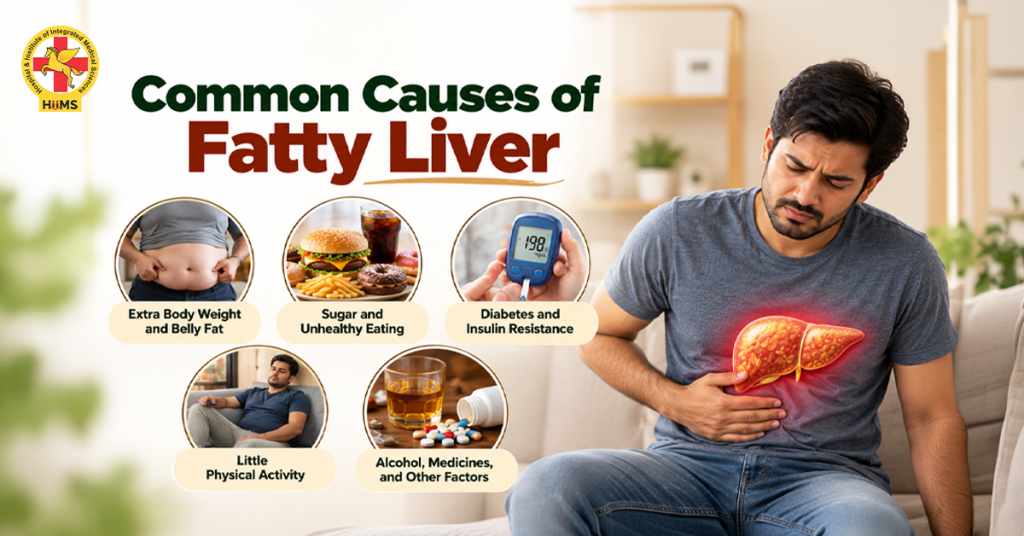
1. Extra Body Weight and Belly Fat
Extra fat around the waist is a common reason, as the body may store the excess fat in liver cells too. Avoid crash diets, because very fast weight loss may also strain the liver.
2. Sugar and Unhealthy Eating
Sweet drinks, bakery items and fried snacks may raise the fat stored in the liver. A simple fatty liver diet of vegetables, whole grains, pulses, and whole fruits helps.
3. Diabetes and Insulin Resistance
When the body responds poorly to the insulin, the liver may store more fat. People with type 2 diabetes, high triglycerides or high blood pressure may have a greater risk of fatty liver.
4. Little Physical Activity
Long hours of sitting change how the body uses energy, and the extra settles around the waist and liver. Walk daily and take short breaks from your chair.
5. Alcohol, Medicines, and Other Factors
Alcohol can add fat to the liver, and some medicines taken for a long time may add to the load.
In clinical practice, doctors often observe that the causes of fatty liver differ from person to person.

Worried about your liver report? Book a consultation to discuss your liver health, food habits and daily routine.
What Research Says About Fatty Liver in India
These Indian studies show how common fatty liver has become, even among people who feel healthy.
16 to 32 percent of Indian adults are estimated to have fatty liver, which is nearly 120 million people.
49.8 percent rate found in a population study from coastal South India, where city living raised the risk.
55.1 percent share of 986 healthy male blood donors in urban North India who showed fatty liver on ultrasound.
Almost one-third share of silent liver enzyme rises that may trace back to fatty liver.
Many people in these studies felt healthy. Numbers like these show why a routine liver check matters even without pain.
Fatty Liver Ayurvedic Treatment: The Ayurvedic Perspective
Ayurveda looks at the causes of fatty liver through digestion and routine. Weak digestive strength, called Agni, may lead to waste buildup, called Ama. A heavy, sticky, Kapha-type lifestyle can add to this load.
Ayurvedic care usually focuses on three areas:
Food: Fresh, warm, and simple meals at the regular times.
Routine: Early dinner, steady sleep and a daily walk.
Herbs: Plants such as Bhumi Amla and Kutki, chosen with guidance.
Ayurvedic practitioners may also suggest these therapies, based on your body type and health history:
Virechana: A guided cleansing therapy that aims to clear extra waste and support the liver.
Basti: A herbal medicated enema that supports the digestive tract.
Udvartana: A dry herbal powder massage that aims to reduce extra fat and heaviness.
Abhyanga: A warm herbal oil massage that supports circulation and relaxation.
It works on the root of weak digestion and Kapha buildup, and a qualified practitioner plans it after checking your strength and reports.
Foods to Avoid in Fatty Liver and Better Choices
Choosing the right foods can help manage body weight, blood sugar and liver fat. Knowing the foods to avoid in fatty liver can help you make better food choices and build the healthier habits.
| Limit or avoid | Choose more often |
| Sugary drinks and packed juices | Water and unsweetened drinks |
| Sweets, cakes and biscuits | Whole fruits in fair portions |
| Deep-fried snacks | Steamed or lightly cooked food |
| Refined grains and fast food | Millets, pulses, and home-cooked meals |
Daily Habits That Support the Liver
- Small steps repeated every day work better than big changes once a month.
- Eat dinner early and keep it light.
- Sleep at a fixed time each night.
- Walk for at least 30 minutes on most days.
- Drink water throughout the day.
- Limit sweets, fried food, and alcohol.
Doctors often observe that people who keep a regular routine follow their care plan more easily.
How Jeena Sikho HiiMS Approaches Liver Care
Fatty liver Ayurvedic treatment at Jeena Sikho HiiMS follows a natural approach. Practitioners begin with your medical history, food habits, digestion, and daily routine. They also look at your existing reports.
Their primary concern is to treat the root cause of the disease, not its symptoms.
The plan includes personalised care, Ayurvedic therapies, diet guidance, and lifestyle changes tailored to you. Regular follow-up helps check your progress.
Ayurvedic Fatty Liver Reversal and Detox Support Combo
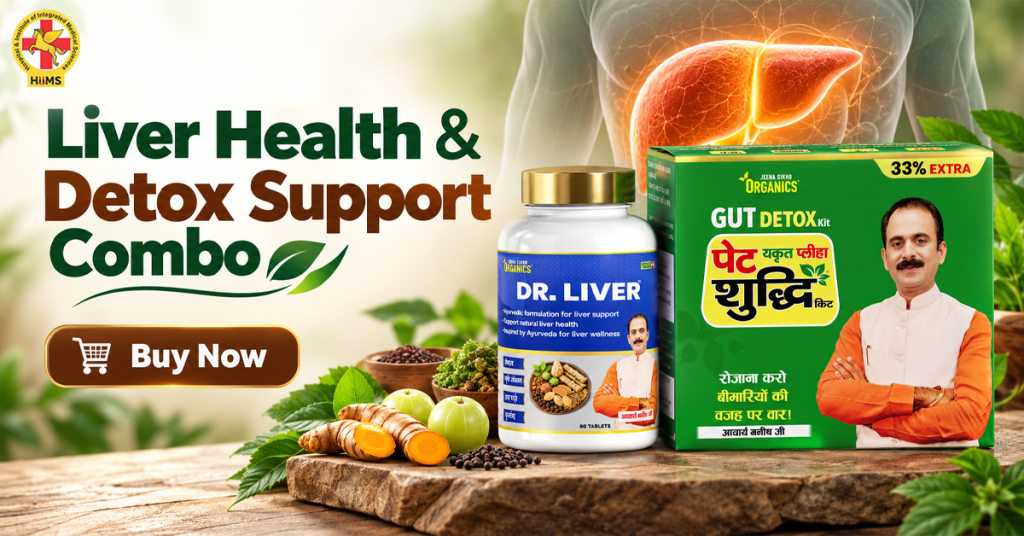
This combo from Jeena Sikho Organics brings together products meant for liver and digestive wellness.
The combo includes these products-
Pet Yakrit Pleeha Shuddhi Kit: An Ayurvedic cleanse made for the gut, liver and spleen.
Dr. Liver DS: An herbal product that offers support for the liver.
Use it as part of a wider wellness routine, after professional advice.
View the combo on Jeena Sikho Store
Conclusion
Fatty liver grows quietly, but daily habits can help. A balanced diet, regular movement, steady weight and less alcohol may support the liver. Knowing the causes of fatty liver lets you act early, before small problems grow big. Ayurveda stresses good digestion and a suitable routine, though herbs need careful guidance.
Jeena Sikho HiiMS encourages the people to seek advice that fits their own health needs. For personal guidance, book a VOPD consultation and discuss your reports with a qualified doctor.

FAQs
1. Can a thin person get fatty liver?
Yes, because diabetes, sugar intake, genes and poor habits can also play a role.
2. Does fatty liver cause pain?
Usually not, though some people feel tired or notice mild discomfort on the upper right side of the belly.
3. Is alcohol the only cause?
No, food habits, weight, diabetes, and low activity also play a part.
4. Should I stop my medicines on my own?
No, never stop a prescribed medicine without medical advice.
5. How does Ayurveda see fatty liver?
It links the problem with weak digestion, called Agni and waste buildup, called Ama.