

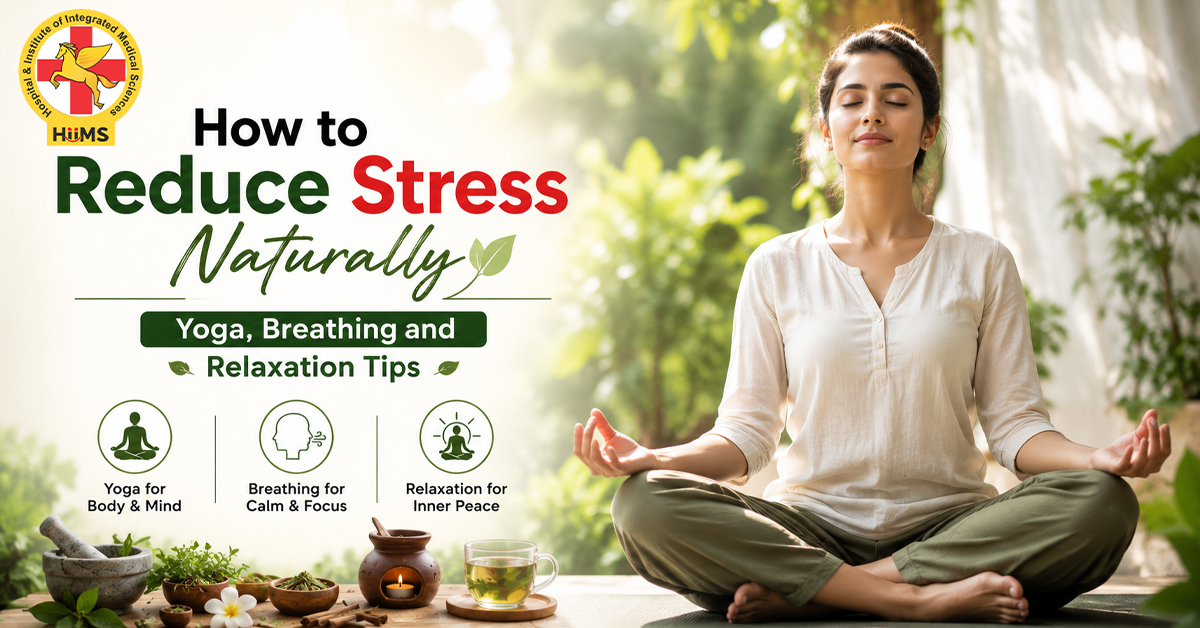
These days, stress has become inevitable. The majority of people experience stress in their daily lives. Be it a teenager, an adult, or an elderly person, all experience stress regularly. Although stress is just a mental condition that can be reduced naturally with yoga, breathing exercises, and therapies, people still carry it with them even without a valid cause. So, what is stress exactly? Why does it happen? Can stress be reduced naturally? What are the ways that can help reduce or eliminate stress? Well, today we will discuss all these points and come to a conclusion that may help us understand the causes and treatment process in depth, and help us to understand how to reduce stress naturally. Let’s begin.
What is stress actually?
Stress is the body’s and mind’s response to pressure, challenge, or things that feel hard to cope with. In an easy language, stress is when your mind or your body feels it has more to do than it can comfortably handle. It can occur with work pressure, relationship issues, financial worries, lack of sleep, major or sudden unpleasant changes in life, or just with overthinking any situation. A little stress that seems to be regular may not affect much and can still keep you sharp and focused, but too much stress can leave you tired, restless, irritable, overwhelmed, or unable to relax.
Are stress and anxiety the same thing?
Not really. Stress and anxiety feel the same, but they are caused by totally different things and have different results. Stress can be caused by pressure at work, by deadlines, by relationship problems, or by a difficult situation. The stress will fall away now that the situation is resolved. Anxiety, however, takes longer.
Anxiety is about problems you can’t see. It can be felt even if there is nothing to worry about. It may include constant worry, fear, restlessness, or a feeling that something might go wrong. Once we know how to Reduce Stress Naturally, we can work on anxiety management as well.
Can stress cause Anxiety and Depression?
Yes, prolonged and continuous stress can contribute to anxiety and depression, but it does not mean it will surely lead to Anxiety and Depression. Constant stress can keep the mind and body in a state of constant alertness, which can lead to extreme worry, turmoil, and anxiety. Chronic stress can take a toll on sleep, energy, motivation, and mood, increasing the risk of depression and anxiety.
Can stress be managed naturally?
Of course. As stress is not a disease, it’s just a mental condition, it can be easily controlled with Yoga, Breathing, and Relaxation Tips. There are several therapies for anxiety and Yoga for Anxiety Management that have proven benefits for stress. Some important stress management tools are-
- Yog Asana: Do yoga like Shavasana, Anulom Vilom, Balasana, and Surya Namaskar to soothe your body and mind. You can discuss it with an expert or a yoga trainer in case of any issues with the technique.
- Meditation: Meditation helps to take control of the mind. Mindfulness, meditation, and breathing exercises can help to clear your unhealed emotions and bring about a calmer state of mind.
- Deep Breathing: Take a few minutes for deep diaphragmatic breathing. Or go for Anulom Vilom to help calm down.
- Ayurvedic Therapies: Ayurvedic therapies are the best way to get rid of stress and anxiety. Therapies like Shirodhara, Abhyanga, Shiro Abhyanga, Shiro Pichhu, and Padabhyanga can induce a state of relaxation and calmness in the mind.
- Managing Anxiety Tips: Knowing how to manage anxiety and stress is the first thing that should be considered. Take lots of breaks. Stop scrolling the screen, engage in outdoor activities, keep socially engaged, and give yourself ample me-time to relax.
- Lifestyle Modification: A disciplined lifestyle is the key to a happy life. Try to manage regular sleep timings, stay active, avoid long periods of inactivity, and try to adopt a more laid-back routine with adequate rest.
- Healthy Food Choices: Remember, food is your medicine. Pick fresh, balanced & nutritious foods like whole grains, seasonal fruits & vegetables, enough protein & healthy fats. Stay away from too much caffeine, too much processed food & irregular eating.
- Herbal way- There are herbs in Ayurveda that help relax the mind and keep away stress and anxiety. Ashwagandha, Brahmi, Jatamansi, and Shankhpushpi are such examples. However, it should be taken only under the guidance of a qualified practitioner.
When a person works on all these prospects, stress can be easily managed, and life can be as normal as expected. The only key is consistency in practicing these daily habits.
Takeaway
Stress can be alarming if not managed properly, and everyone must know how to Reduce Stress Naturally for easy and safe management. The good thing is that stress can be easily managed with a good diet, a disciplined lifestyle, the right herbs, and Ayurvedic therapies. The only precaution one has to take is managing stress before it leads to Anxiety and Depression. Once Anxiety and depression develop, things get tough to manage. Still, there is therapy for anxiety, Yoga for Anxiety Management, that can take control of the situation. Stress is nothing until we are emotionally strong and capable of taking control of our lives. So instead of manifesting stress, we must follow an Ayurvedic lifestyle so that we know how to Reduce Stress Naturally and have a stress-free, happy life. Looking for natural ways to manage stress? Book a VOPD consultation with Jeena Sikho HiiMS for personalized Ayurvedic guidance and support.

FAQ
1. What is the best way to reduce stress naturally?
A regular routine that includes yoga, meditation, deep breathing, proper sleep, healthy food, physical activity, and enough time to relax can help you manage everyday stress.
2. Which yoga is helpful for stress and anxiety?
Practices such as Shavasana, Balasana, Anulom Vilom, and gentle Surya Namaskar can help relax the body and calm the mind. If you are new to yoga, learn the techniques from a qualified trainer.
3. Can Ayurvedic therapies help with stress and anxiety?
Traditional therapies such as Shirodhara, Abhyanga, Shiro Abhyanga, Shiro Pichhu, and Padabhyanga may promote relaxation and a sense of calm. The appropriate therapy can vary from person to person.
4. Can my diet affect stress and anxiety?
Your daily food choices can support your overall well-being. Fresh, balanced, and nutritious meals, along with regular eating habits, can be part of a healthy approach to managing stress.
5. Can prolonged stress lead to anxiety or depression?
Long-lasting or overwhelming stress may contribute to anxiety or depression, although stress does not automatically lead to either condition. If symptoms continue or begin affecting your daily life, professional help is important.
6. When should I seek help for stress or anxiety?
If stress or anxiety becomes difficult to manage and affects your sleep, mood, work, relationships, or daily activities, consider speaking with a qualified healthcare or mental health professional.