
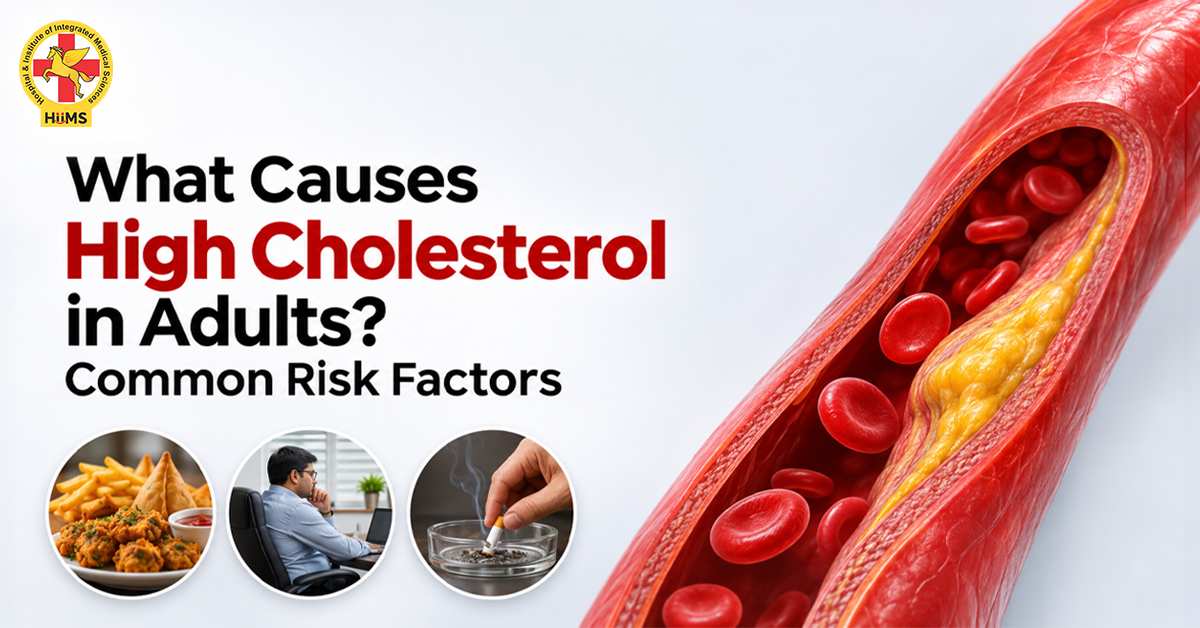

High cholesterol rarely gives any warning, so most people find out from a routine blood test and wonder what they did wrong. The honest answer is that it is usually a mix of things, some in your hands and some not. Knowing the causes of high cholesterol helps you see which habits to look at first and which factors only need regular checking.
Food, movement, weight, family history and age all play a part, and they often add up. Here is a simple look at what raises cholesterol in adults, who is more likely to have it and what you can do next.
What Causes Cholesterol to Rise in the First Place?
Your liver makes most of the cholesterol your body needs, and the rest comes from food. Trouble starts when LDL (“bad”) cholesterol and triglycerides stay high, or HDL (“good”) cholesterol stays low, because the extra fat slowly collects on artery walls.
So when people ask what causes cholesterol to go out of range, the answer is rarely a single cause. It is your liver, your food and your body’s own make-up working together.
Have a lipid report and not sure what it says? Share it with the Jeena Sikho HiiMS team.
Common Causes of High Cholesterol in Adults
Most high cholesterol causes come down to daily routine. Read through these and see which ones sound familiar.
1) What You Eat
Saturated and trans fats push LDL up, and extra sugar is turned into triglycerides. In many Indian kitchens, these come from:
- Deep-fried snacks like samosa, pakora and kachori
- Bakery items, biscuits and packaged namkeen
- Sweets and sugary drinks
- Large amounts of ghee or vanaspati
- Very little fibre from vegetables, fruit and dal
You do not have to give all of these up. What matters is how often they show up.
2) Low Physical Activity
Sitting most of the day tends to lower HDL and raise triglycerides. Desk jobs, long commutes and hours of screen time all add up.
3) Extra Weight, Especially Around the Waist
Belly fat is linked with higher triglycerides and lower HDL. Waist size is worth tracking along with your weight, because it shows where the fat is sitting.
4) Smoking and Alcohol
Smoking lowers HDL and damages the artery lining. Regular heavy drinking can push triglycerides up.
5) Other Health Conditions and Medicines
Type 2 diabetes, an underactive thyroid, kidney disease and fatty liver can all raise cholesterol. Some medicines, such as certain steroids and hormone pills, can too. If you take any long-term medicine, ask your doctor about it, and do not stop it on your own.
High Cholesterol Risk Factors You Cannot Change
Some high cholesterol risk factors have nothing to do with lifestyle.
1) Age, Gender and Menopause
Cholesterol tends to rise as you get older. In women, levels often change after menopause. Men tend to see higher LDL earlier in life.
2) Family History
Some people inherit high cholesterol, a condition called familial hypercholesterolaemia. A global analysis in Circulation, reported by the American Heart Association, estimated that about 1 in 311 people have it, and about 1 in 17 among people with heart disease.
Fewer than 10% are thought to be diagnosed. The summary does not describe the study’s limitations, and it is a worldwide figure, not an Indian one. If a parent or sibling had high cholesterol or an early heart problem, get checked even if you look fit.
3) South Asian Background
In the ICMR-INDIAB study, lipids were measured in about 2,000 adults from three states and Chandigarh. Around 79% had at least one abnormal lipid value. Low HDL was the most common (72.3%), followed by high triglycerides (29.5%), while high total cholesterol was seen in 13.9%.
The point for you: when you look at the causes of high cholesterol in Indians, a “normal” total cholesterol does not tell the full story, so look at HDL and triglycerides too.
Should You Get Your Cholesterol Checked?
A lipid profile is a simple blood test. It is worth asking your doctor about if:
- You are an adult and have never been checked
- A parent or sibling has high cholesterol or early heart disease
- You have diabetes, high BP, thyroid problems or extra belly fat
- You smoke or have a mostly inactive routine
Everyday Cholesterol Management
Once you know the causes of high cholesterol behind your numbers, cholesterol management gets easier to plan. Swap fried snacks for fruit or roasted chana, walk daily, sleep on time, stay away from tobacco and keep your follow-ups. If medicines are needed, that call is your doctor’s.
Jeena Sikho HiiMS Approach to Cholesterol Care
- What we look at first: At Jeena Sikho HiiMS, we go through your lipid profile, sugar, thyroid and other reports in an OPD or VOPD consultation, since the reason differs from person to person.
- What we suggest for food: We follow Acharya Manish Ji’s pH-balanced diet. Plate 1 is raw (seasonal fruit at breakfast, salad at lunch) and Plate 2 is cooked, with the raw plate eaten first and dinner before sunset. Fried food, sweets, bakery items and maida are kept low.
- What waits for reports: Panchakarma and herbs are added only after your reports are reviewed, and only when suitable. All of this is supportive and does not replace your doctor’s advice or medicines.
Conclusion
The causes of high cholesterol are usually a mix of food, movement, weight, health conditions and family history, and the high cholesterol causes can differ even for two people with the same routine.
Check what you can change, get checked for what you cannot, and keep a regular eye on your numbers.
If you would like someone to go through your lipid report with you from home, you can speak to the doctors at Jeena Sikho HiiMS through a VOPD (virtual OPD).

FAQs
1. Can a thin person have high cholesterol?
Yes. Family history, food and other health conditions matter, not only weight.
2. Is fatty food the only reason for high cholesterol?
No. Inactivity, weight, smoking, diabetes, thyroid problems and genes can all play a part.
3. Does stress cause high cholesterol?
Stress alone is not firmly established as a cause, but it can change your eating, sleep and smoking habits.
4. Does high cholesterol cause symptoms?
Usually not, which is why a blood test is how most people find out.
5. When should adults start checking cholesterol?
Ask your doctor. People with a family history or conditions like diabetes may need to check earlier.