


After a long day, sitting down to eat a proper meal should feel good. But if almost every bite brings a burning pain in your chest and throat, even simple eating turns frustrating. Most of us try to ignore it at first. We blame a heavy lunch, spicy food, or just bad timing, hoping a glass of water will settle things down.
When that hot, uncomfortable feeling keeps coming back week after week, it stops being a minor issue. It usually means the delicate lining inside your food pipe is constantly getting irritated which is called esophagitis and needs actual time to heal. Pushing through the discomfort or waiting for it to fix itself rarely works.
In the following sections, we will break down why this throat irritation happens, the main signs to watch for, and how to approach esophagitis treatment naturally.
What Is Esophagitis?

The esophagus is simply the muscular tube that carries food and liquid from your mouth down to your stomach. Under normal conditions, its inner lining is smooth, soft, and protected. Esophagitis is the medical term used when this inner lining becomes raw, swollen, or inflamed.
When your stomach creates strong digestive acid, a tight muscle at the bottom of your food pipe is supposed to keep that acid locked inside your stomach. But if that muscle stays loose or doesn’t close properly, harsh stomach acid leaks upward. Since the lining of your food pipe isn’t built to handle strong acid, it gets irritated quickly, much like an open scrape on your skin. If left untreated, this constant irritation keeps the tissue tender, making even normal swallowing feel painful.
Recognising Common Esophagitis Symptoms
When the lining of your food pipe stays inflamed, your body sends clear signs that something is off. At first, you might just feel a light scratch in your throat, but over time, eating a simple meal starts feeling uncomfortable.
The most common esophagitis symptoms usually start right at the dinner table. You might feel a sharp sting or a dull ache in your chest every time you swallow food almost as if a piece of bread were stuck halfway down. A tight, hot burning sensation often settles behind your breastbone, getting much worse right after you finish eating or when you lie down to sleep.
Night-time can be especially rough when bitter, sour fluid leaks back up into your throat, leaving an awful taste in your mouth. Many people also end up dealing with a dry, persistent cough, a hoarse morning voice, or that annoying feeling of a small lump in the throat that never clears away.
What Are the Main Causes of Esophagitis?
Finding real, lasting relief starts with figuring out why the lining of your food pipe became raw in the first place. The delicate tissue inside your oesophagus usually gets swollen due to a few common triggers that imbalances digestion.
Here are the primary causes of esophagitis:
- Acid Reflux (GERD)
This is by far the biggest trigger. When the muscle ring at the top of your stomach gets weak or stays loose, strong stomach acids continuously splash back up. Over time, that harsh acid burns the lower lining of your food pipe.
- Food Allergies & Sensitivities
Sometimes your immune system misfires and reacts badly to everyday foods like milk, eggs, wheat, or soy. White blood cells build up in your throat lining, leading to severe local swelling.
- Medication & Dry Pill Damage
Swallowing large pills, pain relievers, or antibiotics with very little water means they can get stuck in your esophagus for too long. As the pill dissolves right against the wall, its strong chemical ingredients create direct chemical burns on the tender lining.
- Dietary Irritants
Habits like eating heavy, deep-fried meals late at night, drinking alcohol, smoking, or consuming overly hot and spicy foods constantly irritate the throat lining and slow down natural recovery.
- Weakened Immunity
Fungal growths like candida or simple viral infections can settle directly inside the food pipe when your internal immunity drops or after taking heavy medications.
Practical Esophagitis Prevention Tips
Preventing your food pipe from getting inflamed again comes down to fixing a few simple everyday habits. Small adjustments in how and when you eat can easily shield your digestive tract from acid damage.
- Finish your last meal at least 2 to 3 hours before going to bed so your stomach has enough time to digest food properly.
- Eat smaller bites and chew thoroughly. This reduces the workload on your food pipe and makes swallowing much smoother.
- Cut down on deep-fried snacks, late-night tea or coffee, heavy spices and citrus items that trigger excess stomach acid.
- Avoid lying down or slumping on the couch right after eating to prevent acid from creeping back up.
Natural Esophagitis Care at Jeena Sikho HiiMS Gurugram
Rather than relying on daily antacids to temporarily mask chest burning, it is always better to follow a holistic approach that calms excess internal heat (Pitta) so your food pipe can heal.
Jeena Sikho HiiMS Gurugram offers natural Ayurvedic esophagitis treatment. It focuses on fixing digestive imbalances with proven Ayurvedic practices and simple lifestyle changes.
- Panchakarma Detoxification
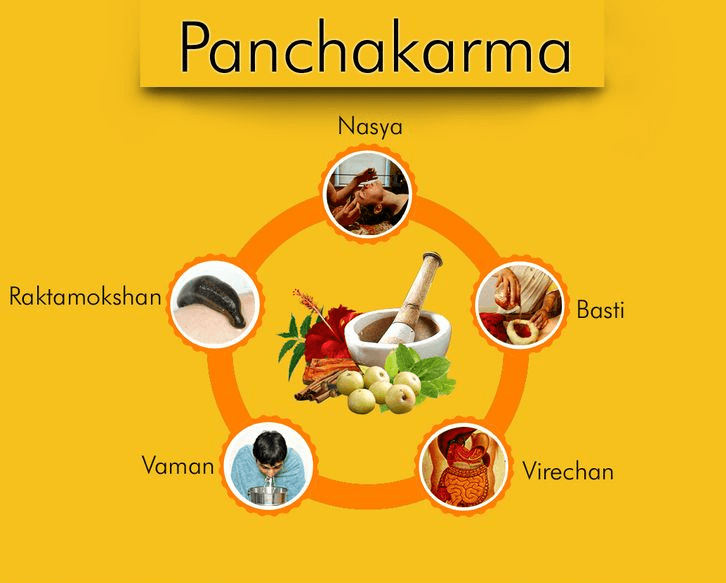
Ayurvedic detox therapies such as Virechana or specific cleansing therapies remove accumulated toxins and excess stomach acid from your digestive tract that can speed tissue healing.
- pH-balanced Diet

Switching to fresh, raw fruits, leafy green vegetables, and millets helps balance your stomach’s pH and reduce acid production without resorting to heavy medicines.
- Soothing Herbal Formulas
Using Ayurvedic natural herbs like Yasthimadhu (Licorice) and Amla that naturally coat, soothe and protect the raw lining of your food pipe.
- Simple Routine Adjustments
Fixing daily habits, such as eating your last meal before sunset and avoiding lying down immediately after dinner to let gravity help your digestion. Daily movement such as yoga and meditation calms your body and helps it heal properly.
Conclusion
Living with constant chest burning and throat irritation isn’t something you have to put up with. By simply changing your lifestyle habits, improving your daily diet, and balancing the internal pH of your body, you can help your food pipe to recover its natural strength.
If you are suffering from symptoms of esophagitis, you can take guidance from the specialists at Jeena Sikho HiiMS Gurugram. You can easily book an appointment from your home and get a personalised dietary plan, Ayurvedic guidance and natural remedies customised to your health.

FAQs
Q1. Is esophagitis a serious health condition?
Ans. No. It is manageable if treated early, but if the early symptoms are ignored then it can cause chronic difficulties.
Q2. How long does it usually take to recover from esophagitis?
Ans. It improves within 1 to 2 weeks with proper treatment.
Q3. Can simple acid reflux turn into esophagitis over time?
Ans. Yes, repeated episodes of stomach acid reflux can cause esophagitis.
Q4. What foods should I stay away from if my throat is inflamed?
Ans. Avoid deep fried snacks, late-night tea or coffee, heavy spices and citrus items.
Q5. Can I manage esophagitis naturally at home without heavy medication?
Ans. Yes. You can easily manage this condition by eating light and healthy meals, chewing food properly and taking herbal support.