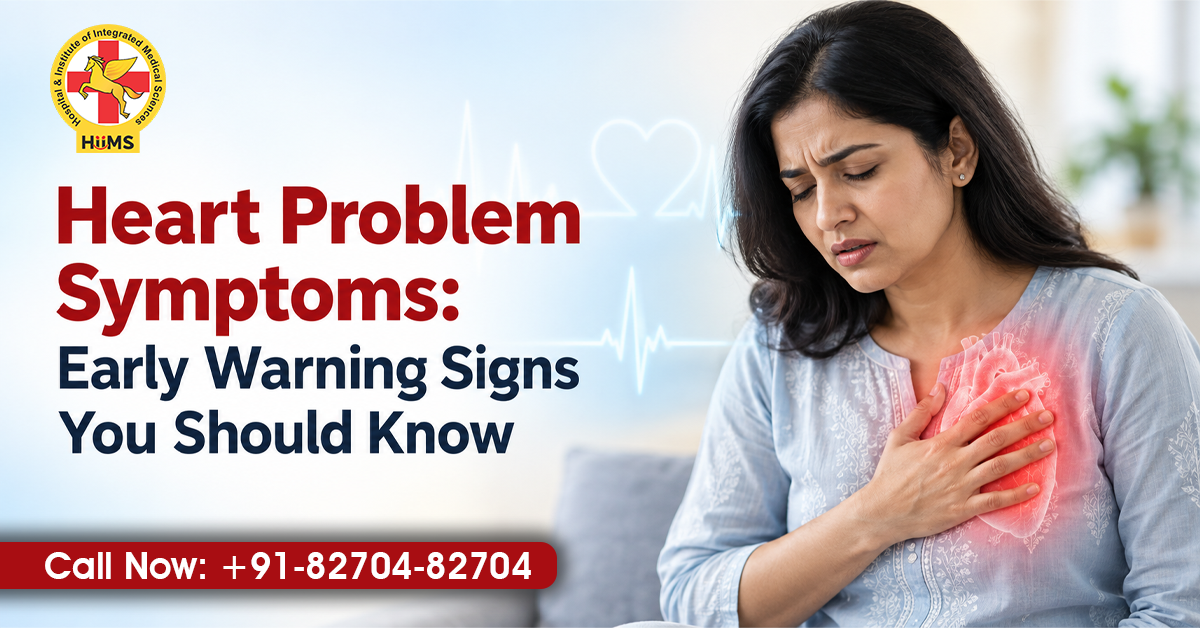

A change in your usual energy, getting breathless after climbing a few stairs, or feeling an unfamiliar heaviness in your chest can be easy to explain away. You may blame a busy day, poor sleep, stress, acidity, or simply getting older. However, when such changes are new, keep returning, or start making ordinary activities harder, they deserve your attention.
There is no single way in which the symptoms of heart disease appear. A person may notice pressure in the chest, while someone else may simply feel more tired than usual or struggle to catch their breath after a routine walk. It is easy to put these changes down to a hectic day or poor sleep, especially when they settle after some rest. Still, if the same thing keeps happening, it deserves some attention. Recognising these signs can help you know when it is time to get your heart health checked.
In this blog, you will learn about the common warning signs of heart disease and the steps you can take to protect your heart health.
Why Are Early Symptoms of Heart Disease Often Overlooked?
People often ignore health changes when they appear for a short time and then settle down. Tiredness may be blamed on work, breathlessness on being inactive, while chest discomfort may be mistaken for gas or acidity.
Sometimes there may be a simple reason behind these changes. But if the same problem keeps coming back, it is better to talk to a healthcare professional rather than keep putting it off. Noticing what feels unusual for you can make it easier to spot early heart warning signs and take action at the right time.
What Are the Common Symptoms of Heart Disease?
1. Chest Pressure, Tightness or Unusual Discomfort
The American Heart Association recognises that heart attack discomfort may feel like pressure, squeezing, fullness or pain in the centre of the chest and may last for several minutes or go away and return. Some people notice it while walking, climbing stairs, or doing other physical activities, while others may experience it at rest. When chest discomfort is new, severe, persistent, or occurs with other warning signs, it needs prompt medical attention.
2. Shortness of Breath During Everyday Activities
Notice whether activities that once felt comfortable now leave you unusually breathless. You may need to stop while climbing stairs, take more breaks during a walk, or struggle to catch your breath during simple tasks. The American Heart Association describes shortness of breath, discomfort in the arms, back, neck, jaw or stomach, nausea, cold sweating and light-headedness among possible warning signs of a heart attack.
3. Unusual Tiredness or Reduced Stamina
Sometimes the change is not dramatic. You simply begin feeling more worn out than usual, need to rest between everyday tasks, or find yourself skipping activities because you do not have the energy for them. When this continues without an obvious explanation, unusual fatigue deserves some attention. It can be linked to several health problems, so finding the reason behind the change is more useful than assuming you are only tired from daily life.
4. Pain That Moves Beyond the Chest
Heart-related discomfort can sometimes extend beyond the chest and affect the shoulder, arm, neck, jaw, or upper back. It does not necessarily follow one fixed pattern, which is why unfamiliar radiating pain deserves attention, especially when it appears along with chest pressure, sweating, nausea, or difficulty breathing.
5. A Fast, Fluttering or Irregular Heartbeat
You may suddenly become aware of your heartbeat as a racing, pounding, fluttering, or skipped-beat sensation. Occasional palpitations can have causes that are not related to heart disease, including stress or stimulants, but repeated episodes or a heartbeat that feels unusually irregular should be assessed. Keeping track of when the sensation happens can also help a healthcare professional understand the pattern.
6. Dizziness, Light-headedness or Fainting
Feeling dizzy once may have a simple explanation, but repeated dizziness or fainting should not be ignored. Changes in heart rhythm or blood flow can sometimes contribute to these symptoms. If dizziness occurs together with chest discomfort, breathlessness, or a racing heartbeat, seek medical attention promptly rather than trying to manage the symptoms on your own.
7. Swelling Around the Feet and Ankles
A pair of shoes suddenly feeling tighter by evening may seem unrelated to the heart. However, swelling in the feet and ankles can sometimes occur when the body retains fluid, including in certain heart conditions. Since swelling can also have many other causes, recurring ankle swelling should be evaluated instead of being automatically linked to long hours of standing or sitting.
8. Nausea, Indigestion-like Discomfort or Cold Sweating
Not every heart problem feels like obvious chest pain. Nausea, unusual upper-body discomfort, or sudden cold sweating may occur with serious heart problems, particularly when several symptoms appear together. If indigestion-like discomfort comes with chest pressure, weakness, breathlessness, or sweating, do not assume it is only acidity. The American Heart Association also suggests that heart-related symptoms can sometimes be mistaken for heartburn or indigestion, particularly when discomfort occurs with other warning signs.
What Should You Do During Sudden or Severe Heart Symptoms?
Severe or persistent chest discomfort, serious difficulty breathing, fainting, or a combination of symptoms that may indicate a heart attack requires urgent medical care. Do not wait for home remedies, herbs, or dietary changes to work during an emergency.
Call your nearest emergency service and follow professional medical advice. Long-term Ayurvedic care can have a place in a broader wellness plan, but it should never delay emergency treatment.
How Can Ayurveda Support Long-Term Heart Wellness?
After immediate concerns have been checked, the way you look after your heart each day also matters. What you eat, how active you remain, how well you sleep, and how you handle stress can all become part of your regular health routine. Ayurveda looks at these areas together rather than considering them separately. At Jeena Sikho HiiMS, Aahar, Vihar, Shaman and Shodhan may be considered according to an individual’s health condition and professional assessment, with the focus on a personalised approach to overall wellness.
Aahar: Making Everyday Food Choices
A balanced eating pattern can form an important part of heart health management. Fresh, nourishing foods, sensible portions, proper hydration, and mindful eating habits can help build a healthier daily routine. Dietary changes should be suited to the person’s health condition rather than followed as a one-size-fits-all plan.
Vihar: Movement, Rest and Daily Routine
Regular physical activity, sufficient sleep, stress management, and a consistent routine can contribute to overall cardiovascular wellness. If you notice that your normal level of activity has suddenly become difficult, however, get the cause checked rather than forcing yourself to exercise through unexplained symptoms.
Ayurvedic Herbs and Personalised Guidance
Ayurvedic herbs such as Arjuna, Ashwagandha, or Guggulu may be considered in traditional care according to individual needs. They should not be self-prescribed as a replacement for prescribed heart medicines or medical treatment. Professional guidance is important, particularly when a person already takes medication or has a diagnosed heart condition.
If recurring symptoms are affecting your everyday life, seeking professional heart care can help you understand whether the change needs further evaluation and what kind of support may be appropriate.
Heart Care at Jeena Sikho HiiMS
At Jeena Sikho HiiMS, heart wellness is approached with attention to the individual rather than symptoms alone. Ayurvedic principles, lifestyle guidance, diet, traditional therapies, and appropriate medical evaluation can be considered according to the person’s needs. The focus is on understanding the health concern and creating a personalised path forward instead of encouraging people to manage serious symptoms on their own.
Conclusion
Your body can give you useful information when something changes, and recognising the symptoms of heart disease can help you decide when that change needs attention.Chest pressure, breathlessness that feels unusual for you, unexplained tiredness, pain that spreads to other parts of the body, palpitations, dizziness, swelling, or indigestion-like discomfort should not be brushed aside when they keep returning or become severe. These symptoms can have many possible causes, but getting them checked can help you understand what your body is trying to tell you.
Small changes in your daily routine can make heart wellness a regular part of your life. Eating thoughtfully, staying active, getting enough sleep, and finding healthier ways to manage stress can all contribute to better overall health.
If something about your heart health has been worrying you, you can choose a VOPD consultation with expert doctors at Jeena Sikho HiiMS to talk through your concerns and understand what may be suitable for you.

FAQs
Q1: What are the common warning signs of heart disease?
Chest discomfort, breathlessness, unusual fatigue, palpitations, dizziness, swelling, and discomfort spreading to other areas can be important warning signs.
Q2: Can heart disease cause tiredness?
Unexplained or persistent fatigue can occur with some heart conditions, particularly when it comes with reduced stamina or breathlessness during routine activities.
Q3: When does chest discomfort need urgent attention?
Severe or persistent chest discomfort, especially with breathlessness, sweating, nausea, weakness, or spreading pain, requires immediate medical attention.
Q4: Can acidity feel similar to a heart problem?
Some heart-related discomfort can resemble indigestion or acidity, so symptoms occurring with chest pressure or other warning signs should be medically assessed.
Q5: How can Ayurveda support heart wellness?
Ayurveda may complement long-term wellness through personalised diet, lifestyle practices, traditional therapies, and professional guidance alongside appropriate medical care.