
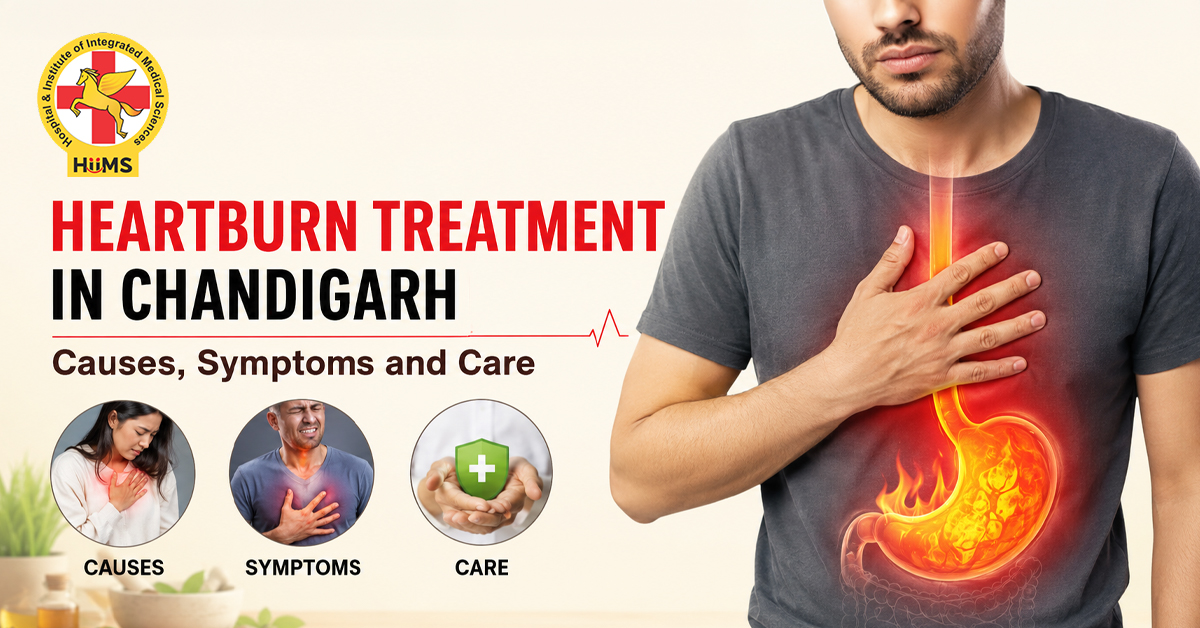

Have you ever noticed a burning feeling in your chest after a spicy meal, a heavy dinner or several cups of tea? Most people simply call it acidity and forget about it once the discomfort settles. But if this burning keeps returning after meals or troubles you at night, it is better to look at what may be causing it instead of ignoring it.
Heartburn happens when stomach contents move back into the food pipe and cause a burning feeling in the chest or throat. Eating at irregular hours, overeating, lying down soon after dinner, stress and certain foods can make it worse.
When heartburn keeps returning, simply taking something for the burning sensation may not be enough. Understanding its possible causes can help you make better choices about your health. If you are considering heartburn treatment in Chandigarh, Jeena Sikho HiiMS Chandigarh looks at food habits, daily routine and overall health as part of its Ayurvedic approach. Let us understand the symptoms, possible triggers and care options in simple terms.
What Is Heartburn and Why Does It Happen?
People with heartburn often feel a burning sensation in the middle of the chest. It can occur when stomach acid moves back into the food pipe. A sour taste, repeated burping, bloating or food rising towards the throat may also occur.
Your daily habits can have a lot to do with it. Eating very spicy, oily or heavy food, taking too much tea or coffee, having large meals, eating late at night and lying down soon after eating may trigger the problem. Stress and poor sleep can also disturb your normal eating and digestion routine.
In Ayurveda, such digestive complaints are understood through the balance of doshas. Pitta, which is linked with digestion and metabolism, gets special attention in conditions described as Amlapitta. Ayurveda considers food, lifestyle, digestion and the person’s individual needs while planning care.
Common Symptoms of Heartburn You Should Not Ignore
Heartburn does not always feel the same for everyone. A burning feeling behind the breastbone is common, but you may also experience a sour or bitter taste in your mouth, repeated belching, bloating or discomfort after eating. The symptoms may become stronger when you bend down or lie down.
If the problem occurs often, do not keep treating it as ordinary gas without finding out why it is happening. Regular symptoms can affect sleep, food choices and daily comfort, so proper guidance can help identify the right approach.
Heartburn or Heart Disease? Know the Difference
Chest discomfort needs attention because heart disease can also cause pain or discomfort in the chest. Heartburn may often be linked with meals or reflux, but it is not always possible to tell the cause simply by looking at the symptoms.
Some symptoms of heart disease include pressure or tightness in the chest, pain that moves towards the arm, shoulder, back, neck or jaw, breathlessness, sweating, dizziness or unusual weakness. These symptoms of heart disease should not be ignored or assumed to be acidity.
When chest pain starts suddenly or feels severe and you cannot explain why it is happening, do not wait for it to settle on its own. If any of these warning signs are present, seek medical help immediately.
Ayurvedic Understanding of Heartburn
Ayurveda gives importance to healthy digestion and a balanced daily routine. From an Ayurvedic viewpoint, aggravated Pitta may be associated with excess heat and digestive discomfort. Agni, or digestive fire, is another important part of this understanding.
This does not mean that every person with heartburn has the same cause. Food habits, sleep, stress, routine and individual constitution can differ from one person to another. Therefore, Ayurvedic care should be planned according to the person’s condition instead of following a remedy simply because it helped someone else.
Simple Ayurvedic Care for Better Digestion
Keep Your Meals Simple
Fresh, home-cooked food can be easier to manage than very oily, fried or heavily spiced meals. Eat slowly and avoid filling your stomach more than needed. Keep a note of foods that tend to trigger your symptoms and reduce them where possible.
Give Your Body Time After Meals
Try to maintain regular meal timings and avoid very late dinners. Do not lie down immediately after eating. Reducing excess tea, coffee, fizzy drinks and other personal triggers may also help manage reflux.
Give Attention to Stress and Sleep
A busy routine often affects both meals and sleep. Your daily routine also matters when you are trying to manage digestive discomfort. Eating calmly, spending a few minutes on gentle yoga or breathing exercises, and maintaining proper sleep can help you follow a healthier routine.
Heartburn Treatment in Chandigarh at Jeena Sikho HiiMS
At Jeena Sikho HiiMS Chandigarh, heartburn treatment in Chandigarh follows an individualised Ayurvedic and integrated approach. Doctors first look at the person’s symptoms, food habits and lifestyle before preparing a care plan that may include dietary changes, lifestyle advice, Ayurvedic medicines and appropriate therapies. Panchakarma may also be considered when it is appropriate for the person’s condition.
The objective is not to give everyone the same solution. Doctors first consider the person’s symptoms, habits and overall health before suggesting a suitable plan. When chest discomfort raises concern about heart disease, proper medical assessment remains important.
Conclusion
Heartburn can seem like a small digestive problem, but repeated burning, sourness or chest discomfort should not become something you simply live with. Paying attention to your food, meal timings, sleep and stress can make your routine more supportive of healthy digestion. Ayurveda also looks at these everyday factors while planning personalised care.
If you are considering heartburn treatment in Chandigarh, Jeena Sikho HiiMS Chandigarh provides Ayurvedic guidance along with an integrated approach to health. You can also opt for a VOPD consultation with expert doctors at Jeena Sikho HiiMS and discuss your health concern from the comfort of your home.

FAQs
-
What does heartburn usually feel like?
It commonly feels like a burning sensation in the middle of the chest and may come with a sour taste or discomfort after meals.
-
What foods can trigger heartburn?
Spicy, oily and heavy meals, along with excess tea, coffee and fizzy drinks, may trigger symptoms in some people.
-
Can stress affect heartburn?
Stress can disturb eating habits and digestion, which may make heartburn symptoms more difficult to manage.
-
When does chest pain need urgent attention?
Sudden or unexplained chest pain with breathlessness, sweating, dizziness or spreading pain needs immediate medical attention.
-
Can I consult a Jeena Sikho HiiMS doctor online?
VOPD consultation allows you to discuss your health concern with Jeena Sikho HiiMS doctors without visiting the hospital in person.