
We have all been there: you feel a sudden, strange tightness in your chest, and your mind immediately goes to the worst-case scenario. Is it just gas from that heavy lunch, or is it something way more serious? It is a scary feeling because we all know that chest pain is the ultimate red flag for something wrong with your heart.
The truth is, your body is incredibly smart. It doesn’t just stop working out of nowhere. It sends out clear distress signals long before a major medical emergency occurs. Understanding the connection between sudden discomfort and heart disease is the single most important step you can take to protect your life or save a loved one.
Let’s break down the warning signs, so you know exactly what to look for and when to act. If you act early, finding the right heart disease treatment becomes much easier and far less stressful for your family.
Crucial Heart Disease Symptoms You Should Never Ignore
A lot of people think a heart issue always looks like the dramatic scenes in movies, someone clutching their chest and collapsing instantly. In reality, it is often much quieter and easier to mistake for something minor. Your heart doesn’t work in isolation, so when it struggles to pump blood properly, you will notice distinct heart disease symptoms spreading across your body. Let’s look at the specific warnings your body gives you.
A Heavy, Squeezing Weight on Your Chest
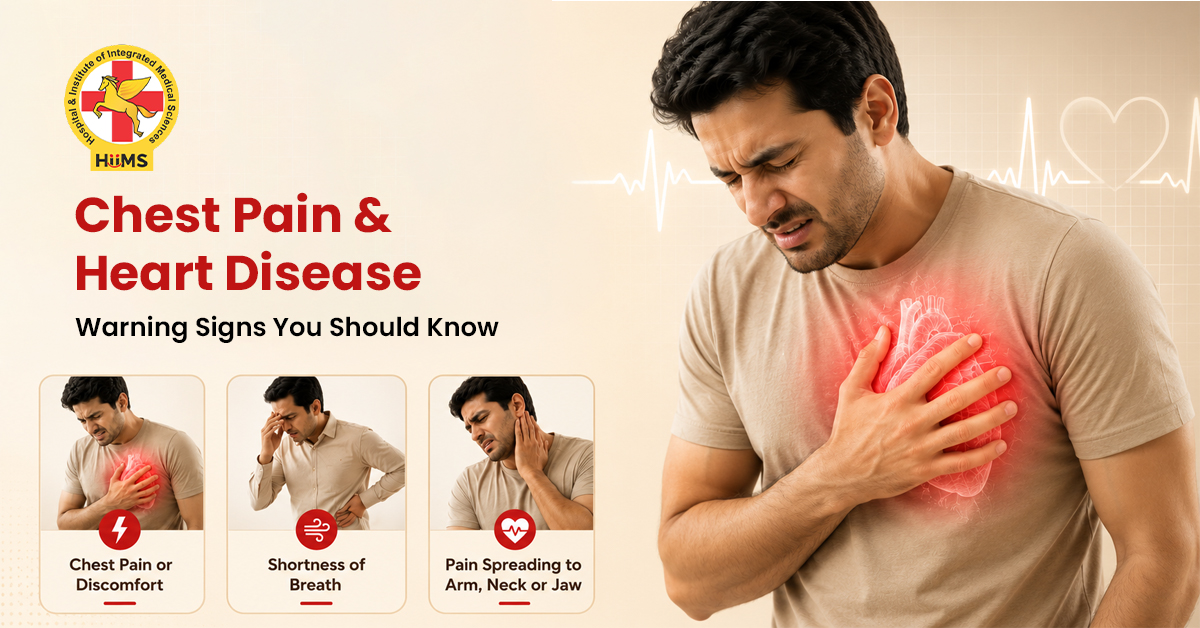
When discomfort is tied to heart disease, it usually doesn’t feel like a sharp stab from a needle. Instead, most people describe it as a heavy weight sitting right on their chest, a tight squeezing sensation, or a burning feeling that refuses to go away. This discomfort often starts behind the breastbone and can slowly travel to other parts of your upper body. You may experience a dull pain that radiates down your left arm, up into your jaw or even directly through to your back. If you notice this kind of shifting chest pain, it is a clear sign that you need help.
Sudden Shortness of Breath and Windedness
Your lungs and heart work together as a team. When your heart muscle isn’t getting enough oxygen due to clogged pathways, your lungs try to compensate. You might find yourself completely winded, gasping for air, or struggling to breathe while doing simple daily tasks like walking up a short flight of stairs or even just sitting down on the sofa.
Breaking Out in Cold, Clammy Sweats
If you suddenly start sweating heavily while sitting in a cool room, pay attention. Sudden cold sweats that are clammy and not caused by physical activity are a typical warning sign that your body is under tremendous stress. This is because your nervous system goes into overdrive trying to maintain your blood pressure stable.
Sudden Dizziness and Lightheadedness
Feeling faint, dizzy, or like the room is spinning when you stand up or move too fast is another big red flag. When the heart can’t pump blood as well, your brain doesn’t get enough oxygen. This might leave you feeling lightheaded, unstable on your feet or totally wiped out and fatigued for days at a time for no apparent cause.
Why Timing Matters and What Causes the Pain
So, why does this happen? The most common culprit behind these symptoms is a slow buildup of fatty deposits inside the arteries that feed your heart. Over many years, this buildup narrows the pathways, making it incredibly hard for blood to flow smoothly.
When you exert yourself, like walking fast, lifting something heavy, or dealing with a massive amount of mental stress, your heart naturally beats faster and demands more oxygen. But because the pathways are clogged, the blood cannot get through fast enough. That lack of oxygen is exactly what triggers chest pain, acting as a loud alarm bell that you need to slow down.
Ignoring these alarms is incredibly dangerous. If a piece of that fatty buildup breaks off, it can completely block the blood flow, which is exactly how a heart attack happens. Shifting toward healthy lifestyle habits and seeking early heart disease treatment can literally mean the difference between a quick recovery and permanent heart damage.
Protecting Your Long-Term Health
At the end of the day, preventing heart disease is always much easier than trying to reverse it after damage has already occurred. Your heart is a muscle, and it needs the right environment to stay strong.
Simple daily habits make a massive world of difference. Drinking plenty of water, getting seven to eight hours of deep sleep every night, and cutting out smoking or alcohol will instantly lower the pressure on your cardiovascular system. Pay attention to what your body tells you, and never brush off unusual tiredness or discomfort as “just getting older.”
Conclusion
Taking care of your heart is a daily commitment, and listening to the early warning signs can save your life. If you want to stay ahead of heart disease, keeping a close eye on your physical limits and eating clean, natural foods is the perfect place to start.
If you’re having weird discomforts now and don’t know the ideal way to go, then it’s a wise choice to seek professional help. Book a VOPD appointment with the medical staff at Jeena Sikho HiiMS for a clear and holistic view of your health. Speaking with experienced doctors will help you understand your body better and guide you toward a safer, healthier lifestyle.

FAQ’s
1) How can I tell the difference between gas and actual heart trouble?
Gas pain usually changes when you move or burp, while cardiovascular chest pain feels like a heavy weight and stays constant.
2) Can stress cause sudden tightness in my upper body?
Yes, extreme stress mimics heart disease symptoms, but you should always get it checked by a professional to be absolutely safe.
3) What is the very first step in a proper heart disease treatment plan?
The first step is always getting an accurate blood test and heart scan from a certified medical professional.
4) Is a heart attack the only danger associated with blocked arteries?
No, long-term heart disease can weaken the heart muscle over time, leading to chronic heart failure if left completely ignored.
5) Can changing my daily food habits really help my cardiovascular system?
Sure. Eating fresh vegetables, fruits and grains helps reduce inflammation and boost the body’s natural healing process.