
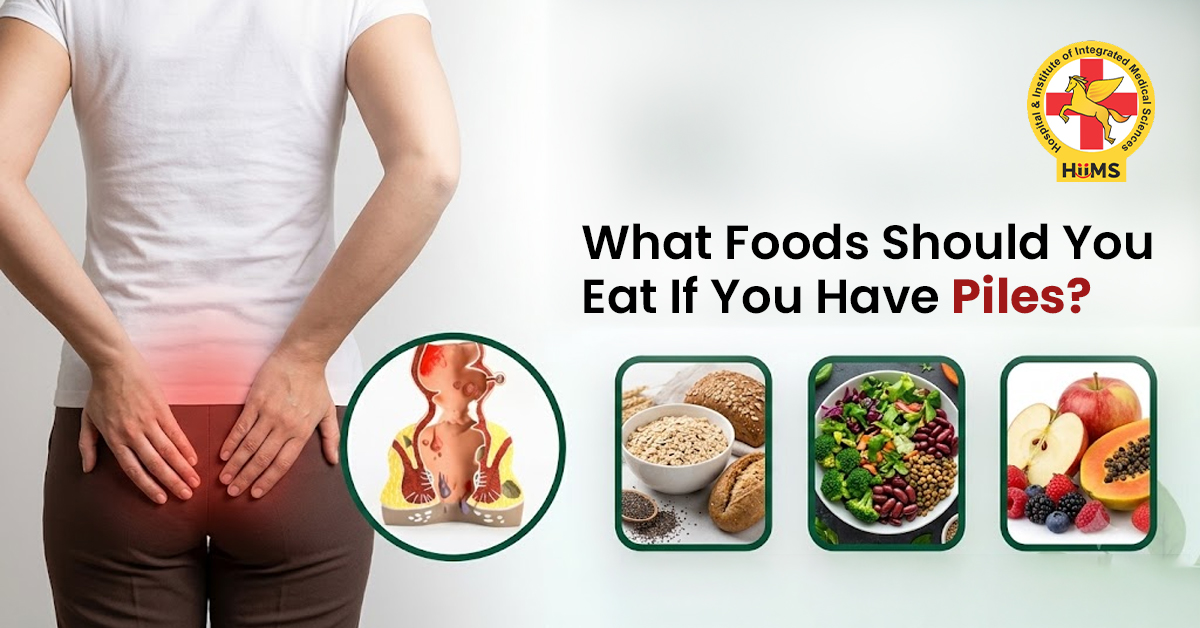

Sitting down can feel uncomfortable when you have piles. Passing stools stops being routine and turns into something you plan around, almost anxiety. And most people don’t connect the dots fast enough, what’s on your plate has a direct say in how bad or bearable that discomfort feels. The right foods for piles won’t fix everything overnight, but they do take a lot of pressure off, literally. Ayurveda has always treated this condition as a digestion problem first, not just a symptom to feeling numb.
So in this blog, we’re covering what piles disease really is, its types, foods worth adding to your meals, foods better left out, and how Ayurvedic thinking approaches all of this.
Understanding Piles and Why Your Diet is Important
Piles form when the veins in and around your rectum swell up and get irritated. Usually this doesn’t happen overnight. Sitting for hours without a break, not drinking enough water, stressing during motion, eating food low in fibre, all of it adds up slowly. Constipation is often the real starting point. Hard stools mean more pressure, more pressure means more damage to those veins over time. Which is exactly why fixing digestion is more important than treating the surface issue alone.
Types of Piles You Should Know
There are different types of piles, and knowing which one you’re dealing with actually helps.
- Internal piles sit deep inside and mostly don’t hurt — though they can bleed without warning.
- External piles show up under the skin near the anus, and these are the ones that itch, swell, and genuinely hurt.
- Then there’s prolapsed piles — internal piles that have pushed their way outward. This one usually needs more careful attention to both diet and daily habits.
Best Foods for Piles That You Should Include Daily
Fibre-Rich Whole Grains for Better Digestion
Oats, brown rice, whole wheat, barley, none of this is new advice, but it is effective because it works. These grains hold their fibre well, and that fibre bulks up stool so it moves without a struggle.
Lentils, Beans and Legumes
Moong dal, masoor dal, chickpeas, rajma in small amounts, these give you soluble and insoluble fibre together. That combination softens things enough that straining isn’t necessary anymore.
Fresh Fruits That Help Keep Stools Soft
Papaya, banana, pear, apple, ripe guava, all of these carry water and fibre in a way that keeps bowel movements gentle instead of forced.
Vegetables That Support Easy Bowel Movements
Spinach, bottle gourd, pumpkin, carrot, beetroot, broccoli. Light on the stomach, heavy on the fibre your gut actually needs, that’s the balance you’re looking for here.
Stay Hydrated Throughout the Day
Coconut water, buttermilk, fresh vegetable soups too. Without enough fluid intake, fibre alone won’t soften anything, the two need to work together.
Healthy Fats That Help Lubricate the Intestine
A little desi cow’s ghee is very effective. Flaxseeds and sesame seeds, too. They keep the intestinal lining lubricated, which makes the whole process smoother.
Foods That May Make Piles Worse
Very Spicy and Deep-Fried Foods
Too much oil and chilli irritate the lining of your gut. It’s the burning feeling people commonly mention, it’s caused by the food.
Refined Flour and Packaged Foods
Maida-heavy stuff, white bread, biscuits, and pastries, etc., carry almost no fibre. Eating this regularly slows everything down and constipation follows close behind.
Too Much Tea, Coffee and Sugary Drinks
These dry the body out. Dehydration hardens stool, and hard stool means more strain on already sensitive veins.
Alcohol and Smoking
Both disrupt normal digestion and add to inflammation, not exactly what an already irritated rectal area needs.
Ayurveda’s Perspective on Foods for Piles
Ayurveda isn’t only interested in calming symptoms for a while, it wants to fix digestion so the issue doesn’t keep returning. A lot of people looking up how to piles cure end up starting with their diet, because that’s usually where digestion either strengthens or breaks down.
An Ayurvedic physician typically studies a person’s body type before recommending anything specific, since the same food doesn’t suit everyone the same way. It’s this individualised approach that makes the results last longer than a quick fix ever could.
Conclusion
There’s no single food that cures piles disease overnight, it’s the consistency that is important. The right foods for piles, along with proper hydration and small lifestyle changes, can genuinely make daily life easier over time. Real digestive relief doesn’t come from sudden changes; it comes from habits you stick with.
Jeena Sikho HiiMS works on this exact principle — diet, lifestyle, and guidance built around the individual, not a one-size-fits-all plan. If the discomfort has been dragging on, it might help to book a VOPD (online video consultation) with the expert doctors at Jeena Sikho HiiMS and get advice suited specifically to your condition.

FAQs
Q1: Which foods are best for piles?
Fibre-rich grains, lentils, fresh fruits and hydrating vegetables ease digestion and keep stools soft.
Q2: Can bananas help people with piles?
Bananas carry natural fibre and resistant starch that support smoother, easier bowel movements.
Q3: Which foods should be avoided in piles disease?
Spicy, fried and heavily processed foods tend to irritate the gut and slow digestion down.
Q4: Does drinking more water help with piles?
Staying hydrated keeps stools soft and takes pressure off the rectal veins during motion.
Q5: Can Ayurveda recommend a diet for different types of piles?
Ayurvedic doctors look at a person’s body constitution before suggesting meals suited to their specific condition.

Leave a comment