

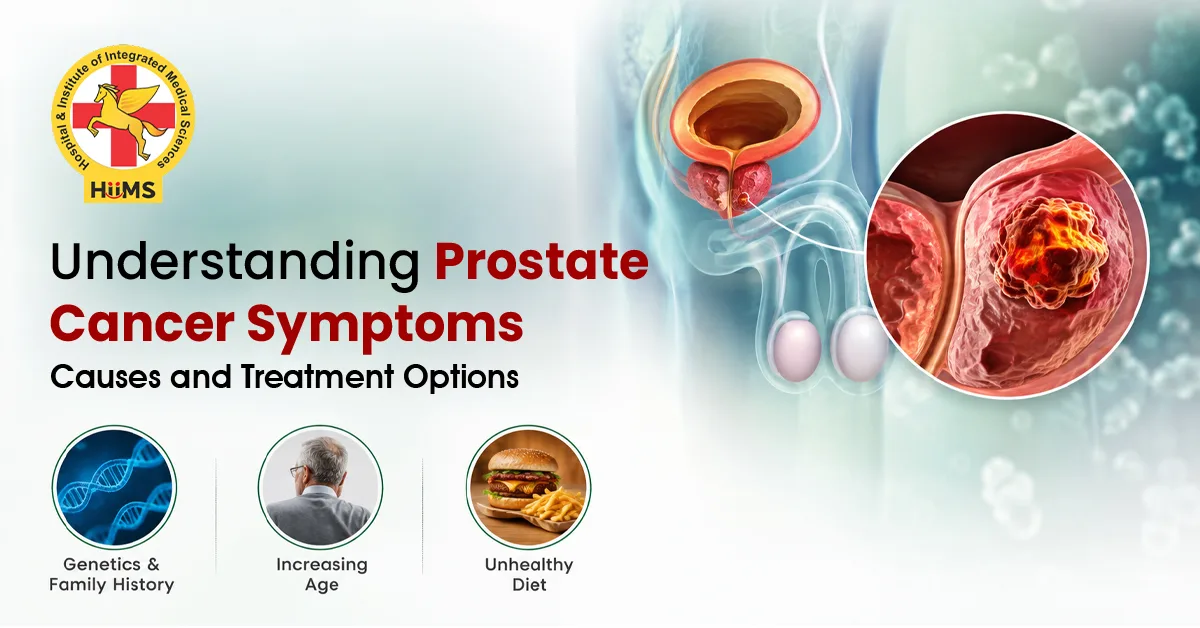
As men grow older, changes in prostate health can become more noticeable, but it is not always wise to put every change down to age. A slower urine flow, taking longer to pass urine, or waking up several times during the night may seem like small concerns, yet repeated changes deserve proper attention.
These signs can have many causes, but understanding prostate cancer symptoms helps a person know when a medical check-up is worth considering. So, what is prostate cancer, and how can it affect the body? At Jeena Sikho HiiMS Udaipur, we believe health information should be clear, practical and easy to understand.
In this blog, we will look at the warning signs to watch for, the causes of prostate cancer, how doctors diagnose it, the treatment options available, and how personalised Ayurvedic care may become part of a broader approach to wellbeing.
What Is Prostate Cancer?
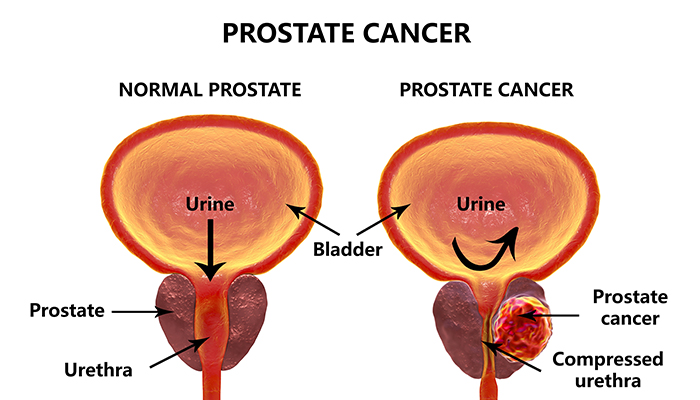
The prostate is a small gland below the bladder that forms part of the male reproductive system and contributes fluid to semen. What is prostate cancer in simple terms? It develops when prostate cells acquire abnormal changes and grow or survive when they should not. Some cancers grow slowly, while others behave more aggressively. Early disease may cause no noticeable changes, which makes timely evaluation important.
Recognising Common Prostate Cancer Symptoms
When symptoms appear, they often involve urination, although other prostate conditions can cause similar changes. A symptom is not proof of cancer. It needs proper evaluation. Common prostate cancer symptoms include:
Urinary Changes to Notice
- Frequent urination, especially at night
- Difficulty starting urination
- Weak or interrupted urine flow
- Feeling that the bladder has not emptied fully
- Blood in urine
Other Changes That Need Attention
- Blood in semen
- Pain in the back, hips or bones
- Unexplained weight loss
These signs can have other causes, but repeated changes should not be ignored.
What Are the Causes of Prostate Cancer?
It is difficult to point to one reason behind the causes of prostate cancer. The disease begins when genetic changes affect the normal behaviour of prostate cells. Age is one of the strongest risk factors, with the chances increasing after 50.
Having a close relative with prostate cancer can put a man at greater risk, especially when certain genetic changes are passed down through the family. Being overweight has also been associated with aggressive disease, while the possible influence of smoking and some environmental exposures continues to be studied.
These factors do not mean cancer will develop, but they make health awareness more important.
How Is Prostate Cancer Diagnosed?
Before choosing prostate cancer treatment, doctors need to understand the condition. Evaluation may include medical history, examination, PSA testing, and diagnostic imaging when required. Tests help establish the cancer’s grade and stage and whether it has spread. This helps doctors choose suitable prostate cancer treatment.
Prostate Cancer Treatment Options
The right prostate cancer treatment depends on the cancer’s stage, growth pattern, health and personal preferences. Some slow-growing cancers may need only active surveillance and follow-up. Others may require surgery or radiation. Advanced disease can involve hormone therapy, chemotherapy or targeted medicines. Treatment should balance cancer control with daily life.
Where Ayurveda May Fit Into Care
Ayurveda can be considered as supportive care for diet, routine, stress management and wellbeing. It should not replace cancer diagnosis or established treatment. At Jeena Sikho HiiMS, care is planned around the person’s health and treatment needs.
Ayurvedic Approach to Prostate Cancer Care at Jeena Sikho HiiMS Udaipur
At Jeena Sikho HiiMS Udaipur, prostate cancer treatment in Ayurveda follows an individualised approach rather than one routine for everyone. Doctors may consider digestion, food, sleep, activity, stress and overall health. Panchakarma may be considered when appropriate under qualified supervision. Dietary guidance, gentle movement, relaxation and prescribed Ayurvedic preparations may also form part of care.
Conclusion
Understanding prostate cancer symptoms is not about creating fear around every change in urination. It is about recognising changes that deserve attention and seeking professional advice.
The causes of prostate cancer can vary, and no single food or daily habit can explain its development. Treatment is chosen according to the diagnosis, stage of the disease, overall health and individual needs. When guided by qualified practitioners, Ayurveda can also provide personalised advice on diet, lifestyle and overall wellbeing.
At Jeena Sikho HiiMS Udaipur, patients can discuss their concerns with doctors and understand care options. Book an appointment today.

FAQs
Q1: What are the common warning signs of prostate cancer?
Ans. Urinary changes, blood in urine or semen, and persistent pain can need evaluation, although these signs may have other causes.
Q2: At what age should men pay closer attention to prostate health?
Ans. Risk generally increases with age, particularly after 50, making discussions about screening and personal risk factors useful.
Q3: How is prostate cancer usually checked?
Ans. Doctors may use medical history, examination, PSA testing, and diagnostic imaging, depending on the individual situation.
Q4: Does every prostate problem mean cancer?
Ans. Many urinary problems have non-cancerous causes, so proper testing is important.
Q5: Can Ayurveda be included during cancer care?
Ans. Ayurvedic care may support wellbeing under qualified supervision alongside appropriate medical evaluation and treatment.
