
Going to the bathroom should be a completely normal, mindless part of your day. But everything changes the moment you look down and see bright red blood in the toilet bowl or notice your stool looks strangely thin for days on end. Your mind immediately jumps to a dozen different worries, from basic piles to worse. When abnormal cell masses grow inside your lower bowel or the rectum, doctors call it an early sign of colorectal cancer.
It is a tough topic to bring up, and people often delay getting checked out simply because they feel embarrassed. But ignoring what your gut is trying to tell you is a massive risk. Let’s talk about how to spot these changes early, what causes them, and how you can naturally clean and heal your system.
Colon Cancer vs Colorectal Cancer: What is the Difference?
The medical terms get thrown around a lot, but the difference is actually very simple. It mostly comes down to the exact spot where the trouble starts.
When looking at colon cancer vs colorectal cancer, think of the second one as the main family name. Colorectal cancer refers to abnormal cell growth in the lower digestive tract.
If the growth stays strictly inside the main, long part of your large intestine, it is called colon cancer. If it starts right at the very end of the tract, the last few inches before the exit, it is called rectal cancer. Both behave very similarly, but doctors use different names to identify the exact area to focus on.
Early Signs of Colorectal Cancer to Keep an Eye On
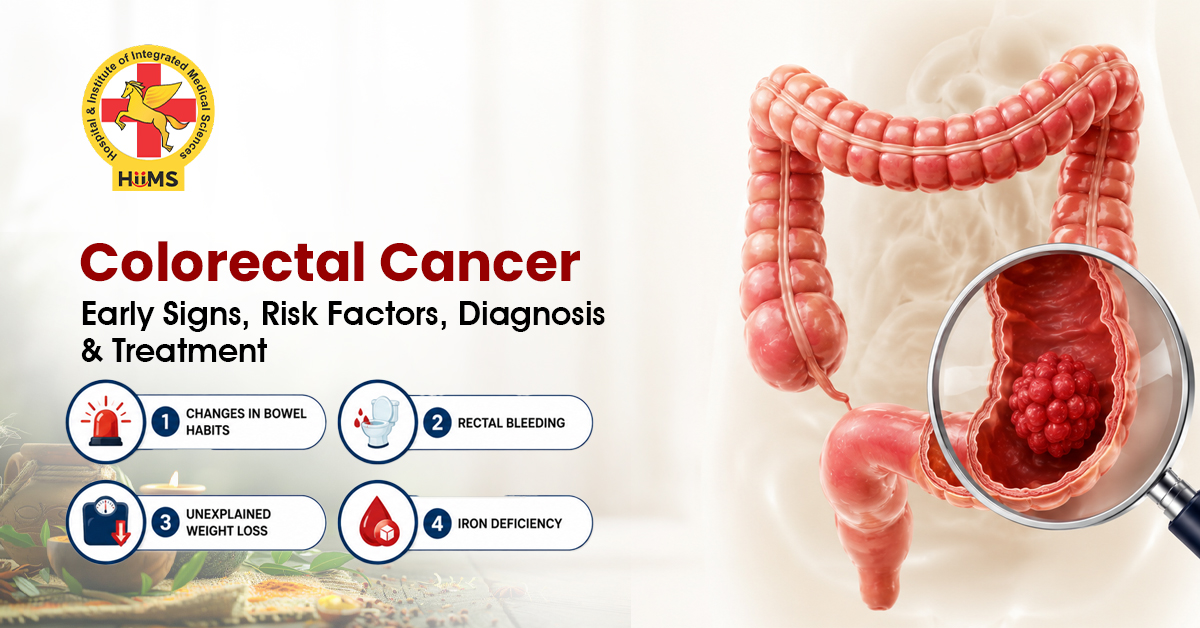
In the beginning, this condition rarely causes sharp pain, so it can easily go unnoticed for a while. Knowing the early signs of colorectal cancer is the only way to catch it before it has a chance to grow deeper. Watch out for these specific colorectal cancer symptoms:
1) Changes in your toilet habits:
New constipation or diarrhea lasting several days without cause.
2) Pencil-thin stools:
If a growth is blocking the passage inside your bowel, your stool will look strangely narrow, flat, or ribbon-like.
3) Blood issues:
Red blood on the toilet paper or dark, sticky stool.
4) That “not empty” feeling:
That feeling where you think you still have to go even after you just went.
5) Unexplained exhaustion:
Feeling completely drained and weak because of hidden, internal blood loss.
6) Unplanned weight drop:
Losing weight quickly without trying to diet or change your workouts.
Colorectal Cancer Causes and the Main Risk Factors
Why do these tissue masses form? Looking into colorectal cancer causes involves a mix of genetics and daily lifestyle habits that slow down your system. Here are the primary colorectal cancer risk factors to be aware of:
- Age: It can occur at any age, but the risk rises greatly after you are 50.
- A heavy, processed diet: Consuming too many red meats, fried foods and packaged products while neglecting fresh fiber leads to a sluggish gut.
- Chronic gut inflammation: Long-term inflammation, such as colitis or Crohn’s disease, stresses the inner lining.
- Family history: If you have close relatives who have had colon polyps or related cancers, your system is at greater risk.
- Lifestyle choices: Lack of exercise, frequent alcohol use, smoking, or excess body weight can disrupt how your cells repair themselves.
The Road to a Clear Colorectal Cancer Diagnosis
If you have any warning signs you need to be tested specifically. The first step towards a clear colorectal cancer diagnosis is always simple preventive checks.
Colorectal Cancer Screening:
Routine testing is incredibly powerful because it finds tiny, harmless growths called polyps. Removing these polyps during a screening stops the cancer from ever developing.
Colonoscopy:
A procedure where a doctor uses a tiny camera to check the inside walls of your bowel for blockages.
Biopsy and Scans:
If anything abnormal is found, a small sample of the tissue is taken and examined under a microscope. CT scans are used to determine the exact colorectal cancer stages ( from Stage 0 to Stage 4 ) to determine if the growth is localised or has spread.
If anything unusual is found, a small tissue sample is checked under a microscope, and CT scans are used to determine the exact colorectal cancer stages (from Stage 0 up to Stage 4) to see if the growth is localized or has moved.
Natural Options and Colorectal Cancer Treatment
Standard hospital procedures usually mean undergoing aggressive surgeries or heavy, exhausting therapies. But a truly comprehensive colorectal cancer treatment should also focus on flushing out internal waste, boosting your natural immune defences, and giving your gut a clean environment to heal.
The wellness plans at Jeena Sikho HiiMS use Ayurveda and Naturopathy to reset your body’s internal environment:
1) Golden Therapy:
This treatment involves applying a specialized, thick herbal paste made from raw turmeric, neem, banyan, and peepal leaves directly under your feet. It helps to detoxify your body deeply and change the pH level of your body into an alkaline state that is hard for unhealthy cells to survive.
2) Cancer Detox Juice:
Patients drink a fresh green blend of leafy vegetables, mint, coriander, ginger, and amla, mixed with alkaline water. This flush clears out old waste from your digestive tract.
3) Medicated Basti:
Since the issue is directly in the bowel, natural Basti treatments introduce soothing herbal oils or liquids into the colon to cleanse the area and calm irritated tissue.
Active Colorectal Cancer Prevention
To protect your bowel health for the future, focus on these simple colorectal cancer prevention steps:
1) The Plant-Based Diet:
Shift your meals toward raw fruits, local vegetables, sprouts, and millets. Drop the dairy, packed items, and heavily refined oils to keep your digestion light.
2) Intermittent Fasting:
Giving your stomach a 12- to 16-hour break each day allows your body to focus its energy on breaking down and clearing away old, damaged cells.
Conclusion
Dealing with sudden changes in your bathroom habits or facing a heavy health scare can leave you feeling completely stuck. But your body has an amazing capacity to clean and repair its tissues when you stop overloading it with heavy foods and toxins. Relying solely on aggressive external fixes without addressing your internal gut environment rarely works for long-term health.
If you are ready to stop worrying and build a real, natural routine to support your recovery, getting the right advice can change everything. You can easily book an online VOPD consultation with the medical team at Jeena Sikho HiiMS. Talking to your doctors will help you understand your reports more clearly and build a simple, plant-based routine to get your health back on track.

FAQs
1) Are all polyps found during a screening dangerous?
No, most polyps are totally harmless. Doctors remove them during regular screenings just to be safe, because some types can turn into cancer over 10 to 15 years if left alone.
2) How can a foot paste help with a bowel issue?
The Golden Therapy paste works through the reflex points on the soles of your feet, helping to draw out deep toxins and lower systemic inflammation throughout the body.
3) What makes a plant-based diet so important for prevention?
Fruits and millets, which are high in fiber, act like a natural broom, sweeping the walls of the bowel clean so that the waste does not sit and rot inside your system.
4) Does blood in the stool always mean cancer?
Not really. It can be due to simple problems like piles or tiny tears. But to be absolutely sure, you should always have it checked by a professional.
5) Can I use natural therapies with my regular medical checks?
Yes. You can use natural treatments to rebuild your immune system, clean out your gut, and boost your overall strength safely.