


Starting a family is a deeply important part of life for many couples. When pregnancy does not happen even after trying for some time, it is natural to feel worried and have many questions. Infertility is not always caused by one particular reason. It can be related to the woman, the man, both partners together, or sometimes the exact cause may not be clear at first. According to the World Health Organization, around one in six people of reproductive age face infertility at some point in their life. This is why couples should focus on understanding their own body rather than copying what worked for someone else.
Ayurveda looks at fertility as a part of the whole body’s wellbeing and gives importance to food, digestion, sleep, daily routine and emotional health. For couples exploring infertility treatment in Surat, understanding the possible causes first can become the most useful starting point of the whole journey.
What Couples Should Know Before Starting Treatment
Infertility is generally understood as not achieving pregnancy after twelve months of regular unprotected intercourse. For women above thirty-five years, doctors usually suggest evaluation after six months of trying, since time matters a little more at that stage. In practice, experts often notice that couples wait too long before asking for guidance, mostly out of hesitation, and this delay can sometimes make the journey longer than it needed to be.
Infertility can affect both partners, so couples should avoid putting the whole responsibility on the woman alone. If you are exploring infertility treatment in Surat, the first honest step should be to understand what may be affecting both of you together.
Couples in Surat can begin with a simple one on one consultation to understand their fertility concerns, daily habits and a suitable Ayurvedic care plan. Book your consultation today and take the first calm step forward.

Common Factors That May Affect Fertility
Fertility depends on several parts of the body working together in harmony. When one or more of these areas are affected, conceiving can become difficult.
In Women
Common factors include:
Irregular periods or ovulation
PCOS
Blocked or damaged fallopian tubes
Endometriosis
Age related changes
In Men
Common factors include:
Low sperm count
Poor sperm movement
Changes in sperm shape
Hormonal imbalance
Smoking and heavy alcohol use
The World Health Organization explains that infertility may result from female factors, male factors, a combination of both, or causes that remain unexplained even after evaluation.
What Happens During a Fertility Consultation
A fertility consultation usually starts with simply listening to the couple’s story. Doctors ask about the menstrual cycle, past pregnancies, how long the couple has been trying, sleep patterns, food habits, and stress levels. In practice, doctors often notice that two couples can have the exact same complaint but a completely different health background, so the same plan rarely suits both.
This is exactly why real infertility care in Surat should always be built around the individual and not around one fixed formula for everyone who walks in.
How Ayurveda Looks at Fertility
Ayurveda gives importance to preparing the body and mind before conception. Healthy digestion, proper nourishment, regular sleep, a suitable daily routine and emotional wellbeing are considered important parts of reproductive wellness.
The infertility treatment for couples in Surat at Jeena Sikho HiiMS begins with understanding the individual’s health concerns, lifestyle, food habits and fertility history before suggesting a suitable plan.
Ayurvedic Herbs Used for Reproductive Wellness
Some herbs are traditionally used in Ayurveda as part of reproductive wellness. Their use depends on the individual’s needs and should be decided by a qualified Ayurvedic practitioner.
Commonly discussed herbs include:
Shatavari, traditionally used for women’s reproductive wellness
Ashwagandha, traditionally used for strength and stress support
Guduchi, traditionally used for general wellness
Gokshura, traditionally used in Ayurvedic reproductive and urinary care
In general, these herbs have traditionally been used for supporting the reproductive wellness, though their suitability really depends on each person’s own health condition.
Panchakarma and Fertility Care
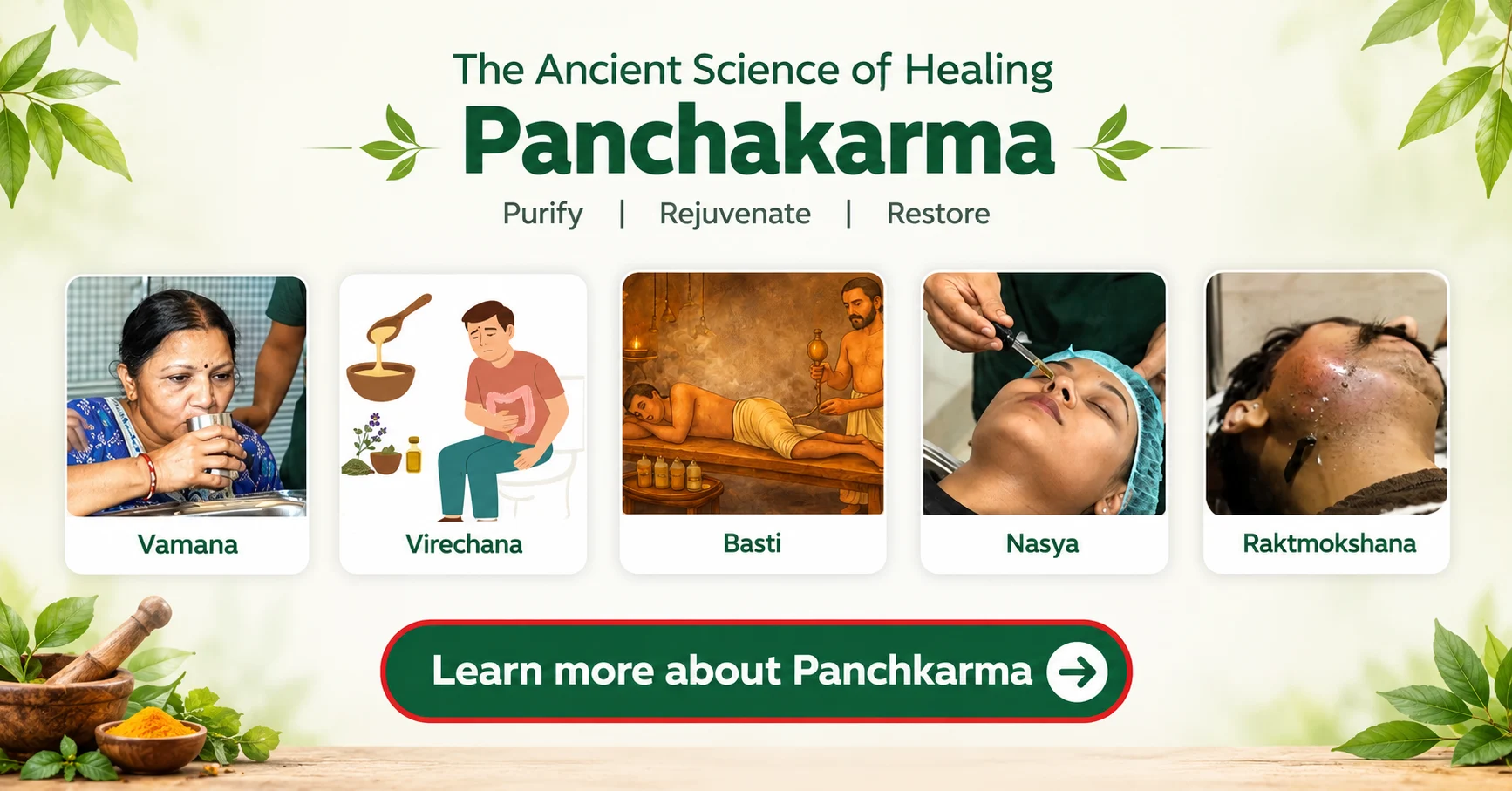
Panchakarma may be considered in selected cases as part of an Ayurvedic care plan. It is not the same for every person, and the therapies are chosen according to the individual’s health and requirements.
Depending on the assessment, an Ayurvedic practitioner may consider therapies such as:
Vamana
Virechana
Basti
Nasya
Raktamokshana
Uttar Basti in selected cases
These therapies should only be undertaken when recommended by a qualified practitioner. Their suitability, sequence, and duration can vary from one person to another.
Preparing the Body Before Conception
Ayurveda also gives importance to preparation before conception. Traditional concepts such as Beej Shuddhi, Garbh Shuddhi, Garbh Dharan and Garbh Sanskar may be discussed as part of this approach.
The focus remains on suitable food, healthy routines, proper rest, mental wellbeing and individualised Ayurvedic guidance before conception.
Lifestyle Habits That Support Fertility
Daily habits quietly become one of the biggest parts of fertility care over time. Small, steady changes often help more than sudden, harsh ones.
Some simple habits that help:
- Eating fresh, home-cooked meals
- Including seasonal fruits, vegetables and whole grains
- Getting proper sleep at a fixed time
- Staying active through walking or gentle yoga
- Avoiding smoking and excess alcohol
- Practising breathing exercises to manage stress
For couples looking into infertility treatment, these habits are usually discussed right alongside their personal fertility concerns.
Choosing the Right Care in Surat
When searching for infertility treatment in Surat, couples should stay a little cautious of anyone promising quick or guaranteed results, since fertility depends on many factors together. A good care plan should look at health history, lifestyle, food habits and any existing concerns before suggesting anything.
Reputed bodies like the World Health Organization and the American Society for Reproductive Medicine stress timely evaluation and personalised care. Understanding the root cause of fertility concerns is an important part of this process and this individual approach is also followed in infertility treatment for couples in Surat at Jeena Sikho HiiMS.
Conclusion
The journey towards parenthood is different for every couple. Infertility treatment in Surat can involve first understanding the root cause of fertility concerns and then making suitable changes in diet, lifestyle, and daily routine along with personalised Ayurvedic care.
Jeena Sikho HiiMS Surat follows an individual focused approach so that couples can understand their concerns before choosing a suitable care plan. If you are looking for infertility care in Surat, you can book a VOPD consultation and discuss your concerns with an expert from home.

FAQs
Q1. What is infertility exactly?
Infertility means a couple has not been able to conceive even after trying regularly for twelve months or more.
Q2. When should a couple see a doctor for the fertility concerns?
Couples should seek guidance after one year of trying or after six months if the woman is above thirty-five years old.
Q3. Is infertility only a woman’s problem?
No, infertility can affect both men and women equally, so both partners should be evaluated together.
Q4. Can Ayurveda help with infertility?
Ayurveda supports fertility by improving digestion, hormonal balance and overall lifestyle through natural methods.
Q5. Can lifestyle changes improve fertility naturally?
Yes, better sleep, healthy food and regular exercise can support reproductive health over time.