

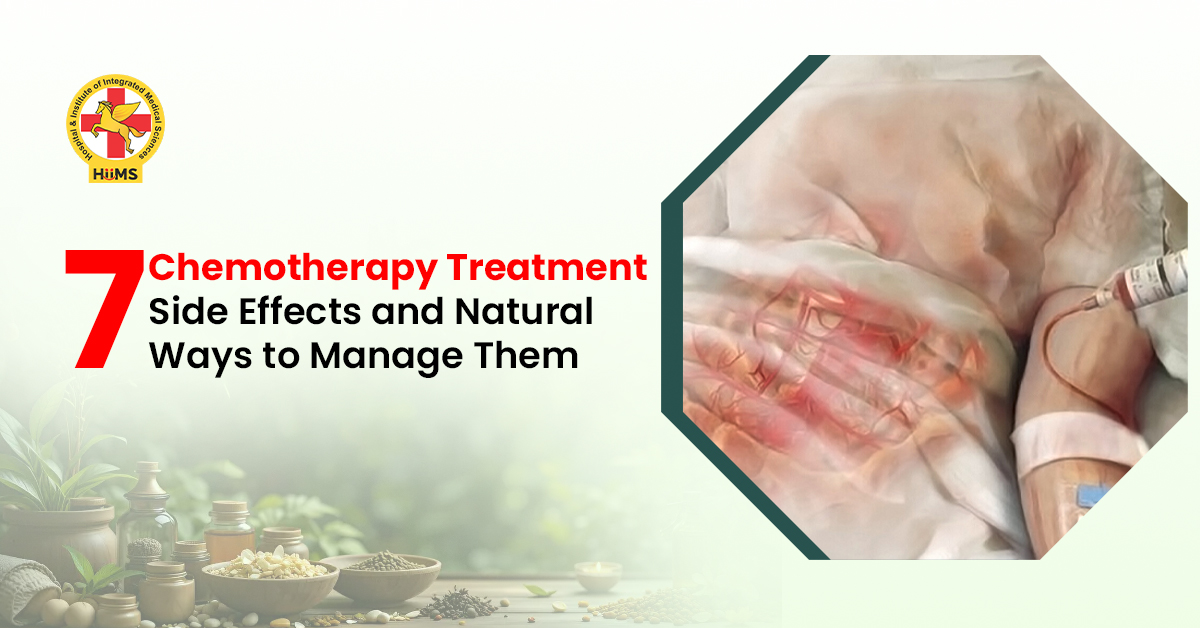
Chemotherapy is a commonly used treatment in which medicines are used to destroy cancer cells and control their growth. Doctors can use it as a standalone therapy or in combination with other treatments, depending on the type and the stage of cancer. These medications are strong and have the ability to influence normal cells as well. Because of this, many patients experience certain chemotherapy treatment side effects during the treatment period. These reactions may appear during therapy or sometimes a little later.
The intensity of chemotherapy side effects varies from patient to patient. Some people notice only mild discomfort. Others may face symptoms that affect their daily routine for some time. The results of chemotherapy sessions depend on the medicine, the number of cycles, and the health of the patient.
Understanding these possible side effects helps patients stay prepared. When people know what changes may happen in the body, it becomes easier to handle them calmly. With the right guidance, supportive care, and some small lifestyle changes, many patients learn how to manage chemotherapy side effects in a better way during their treatment journey.
Common Chemotherapy Treatment Side Effects
During chemotherapy, the body may react in different ways. Some symptoms appear early, while others may develop gradually during treatment cycles.
1. Nausea and Vomiting
Nausea is one of the most commonly reported chemotherapy treatment side effects. Patients sometimes feel an uneasy sensation in the stomach after treatment sessions. In certain cases, vomiting may also occur. This happens because chemotherapy medicines can irritate the digestive system and affect the part of the brain that controls nausea.
2. Loss of Appetite
Many patients notice that their hunger reduces during treatment. Food may not taste the same as before, and regular meals may feel difficult to finish. When appetite reduces, the body may also receive less nutrition. Over time this can lead to weakness if proper attention is not given to diet.
3. Fatigue and Low Energy
Fatigue is a commonly reported chemotherapy side effect. Patients may feel persistent tiredness that does not completely settle with rest. As a result, routine activities such as walking, cooking, or extended conversations may require more effort.
4. Hair Loss
Hair loss is often associated with chemotherapy. Some medicines can affect hair follicles, which may cause hair thinning or hair fall during treatment cycles. Many patients feel emotionally affected when this happens. Hair may start falling slowly and then become more visible after a few treatment sessions.
5. Mouth Sores and Taste Changes
Chemotherapy significantly affects the mouth’s lining. The patient may notice dryness, irritation, or small sores in the mouth. Changes in taste may also occur, and foods that once tasted normal may feel bitter, metallic, or unusual.
6. Digestive Disturbances
During chemotherapy, the digestive system can also get disturbed. Some patients may face constipation, while others may notice loose motions or stomach discomfort. These changes may come and go during different treatment cycles.
7. Emotional Stress and Anxiety
Both physical and emotional health can be affected during cancer treatment. Many patients experience worry, anxiety, or mental exhaustion during this phase. Frequent hospital visits, treatment sessions, and uncertainty about health can create emotional pressure for both patients and family members.
Natural Ways to Manage Chemotherapy Side Effects
While medical care remains the most important part of cancer treatment, supportive habits can also help patients feel more comfortable during this period.
-
Maintain a Light and Balanced Diet
Food plays an important role during treatment. Many doctors suggest a simple diet for chemotherapy patients that is easy to digest and nourishing at the same time. Warm home-cooked food like khichdi, vegetable soups, boiled veggies, soft fruits, and curd is usually easier on the stomach. Eating smaller meals a few times a day usually works better than having heavy, big meals.
-
Stay Hydrated Throughout the Day
Proper hydration helps the body function better during chemotherapy. Drinking enough fluids can help with digestion and keep weakness at bay. Patients are often told to have warm water, fresh coconut water, soups, or light herbal drinks during the day.
-
Follow a Gentle Daily Routine
Rest is important during chemotherapy, but complete inactivity may increase fatigue. Light movement can help the body stay active. Short walks, gentle stretching, and slow breathing exercises are often suggested as safe lifestyle tips for chemotherapy patients.
-
Support Mental Wellbeing
Emotional health also needs attention during cancer treatment. Patients sometimes feel overwhelmed because of repeated treatments and lifestyle changes. Simple practices like meditation, slow breathing exercises, or quiet relaxation can help calm the mind. Stress can also be reduced by talking with family members or healthcare professionals.
-
Consider Supportive Ayurvedic Care
Some patients try supportive Ayurvedic therapies while they are undergoing cancer treatment. Ayurveda is all about keeping the body balanced and staying healthy overall. Things like Abhyanga oil massage and relaxation exercises can help the body feel calmer and more comfortable. Under proper supervision, herbs like Ashwagandha, Guduchi, and Amalaki are sometimes used to support immunity and general strength. It is always important that such therapies are guided by qualified experts.

Conclusion
Chemotherapy remains an important part of cancer treatment and has helped many patients in controlling the disease. At the same time, it is also true that patients may experience several chemotherapy treatment side effects during this process. These can include nausea, fatigue, appetite changes, digestive discomfort, hair loss, or emotional stress.
Although these symptoms may feel difficult for some time, most of them are manageable with proper care and medical guidance. Patients who understand these changes usually feel more confident during treatment. Following a balanced diet for chemotherapy patients, staying hydrated, and maintaining simple daily routines can support the body during recovery.
Supportive approaches may also help patients feel better physically and emotionally. Along with modern cancer care, some individuals also consider natural therapies that focus on overall wellbeing.
At Jeena Sikho HiiMS, Ayurvedic treatment methods are available to assist patients during cancer care. The focus is on improving strength, maintaining balance in the body, and helping patients manage treatment-related discomfort in a natural way.
If you or someone in your family is going through cancer treatment and looking for supportive care, it is better to speak with experienced specialists to understand suitable options for better recovery.
FAQs
Q1. What are common chemotherapy treatment side effects?
Common issues include nausea, tiredness, appetite loss, hair fall, digestion trouble, and stress.
Q2. How can patients manage chemotherapy side effects?
A good diet, enough water, rest, and light activity can make you feel better.
Q3. What foods are good for chemotherapy patients?
Light foods like soups, fruits, boiled vegetables, and khichdi are generally easier to digest.
Q4. Are chemotherapy side effects permanent?
Most side effects improve gradually after treatment is completed.
Q5. Can Ayurveda support cancer patients during chemotherapy?
Digestion, immunity, and overall wellbeing can be supported by certain Ayurvedic therapies when guided by experts.