

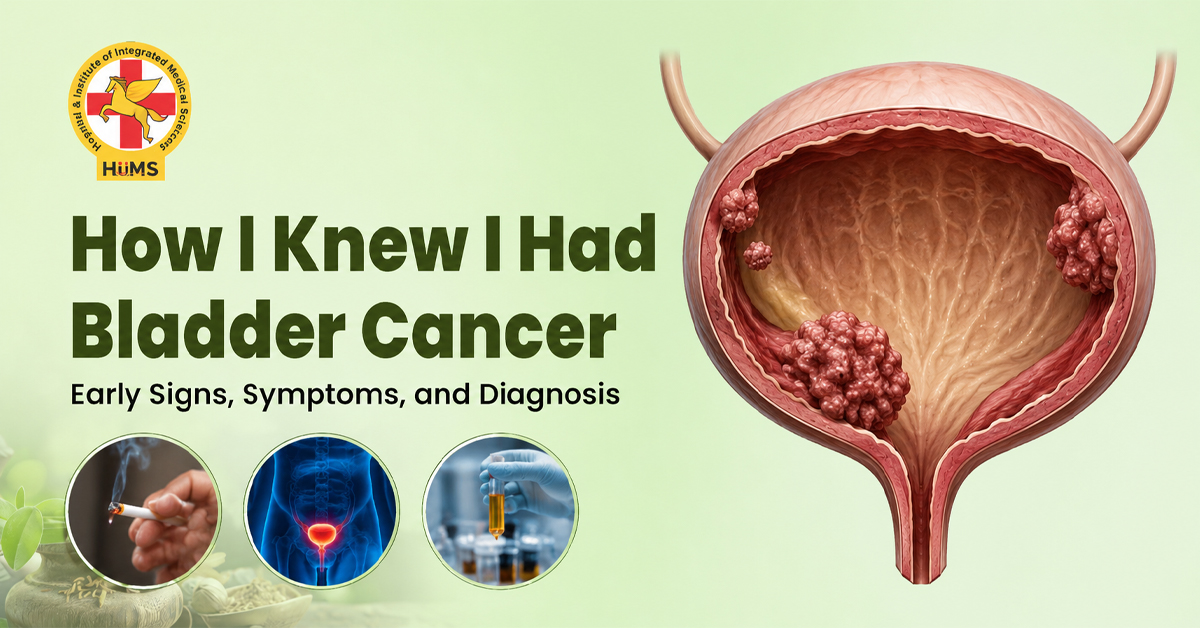
Detecting the earliest warning signs of bladder cancer can save your life. The major sign is painless blood in the urine, so it is important to get a timely medical evaluation. Knowing the exact signs of bladder cancer, like persistent changes in your urinary habits, can help in the early detection of bladder cancer before it develops. If you notice unusual changes, specialist consultation is essential.
Unexplained changes to your body can feel incredibly isolating. A lot of people tend to make excuses for themselves and say they are just fighting a little infection.
But listening to your body is about fighting for your health when something doesn’t feel right. To understand how I knew I had bladder cancer, you have to cut through the confusion of everyday symptoms and really see what your body is trying to tell you. In this blog, we will discuss how these symptoms progress and how an integrated approach will guide you on your journey to recovery.
The First Signs: How I Knew Something Was Wrong
The earliest indicator of urinary bladder cancer is often completely silent and painless. For most people, the first sign is hematuria, which is the medical term for blood in the urine.
Understanding Haematuria
This bleeding typically occurs in one of two distinct ways:
- Gross Haematuria: This occurs when the blood is clearly visible to the naked eye. Your urine might turn a distinct pink, bright red, or dark cola colour.
- Microscopic Haematuria: In this scenario, the urine looks perfectly normal to you, but a routine laboratory test detects hidden red blood cells.
The Deceptive Nature of Early Bleeding
What makes this symptom so tricky is that the bleeding is usually completely painless and highly erratic. You might see blood in the toilet bowl just once, and then your urine will remain clear for the next three weeks. This intermittent pattern regularly tricks people into believing the underlying issue has gone away on its own. However, even a single instance of unexplained blood in your urine requires a proper medical review.
Advanced Symptoms of Bladder Cancer
If these early bladder cancer warning signs are ignored, the tumor will continue to grow until it causes more obvious physical discomfort. As the more frequent urination and bladder cancer grow past the early stages, you may begin to notice more advanced symptoms:
- Pelvic and back pains: You may start to feel a dull, constant ache or stabbing pain deep inside your pelvis or around one side of your lower back.
- Difficulty Passing Urine: A tumor can become large enough to physically block the exit of your bladder. You may have a strong urge to pass urine, but there may be a complete physical blockage, or you may find it very difficult to pass any urine at all.
- Rapid Weight Loss: Lose weight rapidly without changing your meal plan or trying to get slim.
- Constant exhaustion: Deep tiredness that doesn’t go away, no matter how many hours of sleep or rest you get.
- Loss of appetite: You stop feeling hungry, or you feel full after eating just a few small bites.
While these changes can happen to anyone, key bladder cancer risk factors such as chronic tobacco use, chronic urinary tract inflammation, and heavy industrial chemical exposure significantly increase the probability that these symptoms will develop over time.
Is It a Simple UTI or Something More Serious?
Distinguishing between a standard, everyday infection and the true symptoms of bladder cancer can be incredibly confusing because the initial warning signals look almost identical on the surface. However, looking closely at how your body responds over time can reveal important clues.
The Standard UTI Pattern
With a typical urinary tract infection (UTI), blood in the urine is almost always accompanied by an immediate onset of sharp pain, burning, or intense pelvic cramping. These intense, painful urination symptoms are driven by a bacterial invasion. Once a doctor prescribes a targeted course of antibiotics, the infection is completely wiped out, and your urinary habits return to normal within a few days.
The Bladder Cancer Pattern
With a malignant growth, the clinical picture looks entirely different:
- Painless and Erratic: The initial bleeding is usually completely painless and behaves unpredictably.
- Antibiotic Resistance: If you take a full course of antibiotics and your urinary issues seem to linger, or if they vanish only to return a couple of weeks later, it is a major indicator that something else is going on.
Relying on multiple rounds of antibiotics without a clear laboratory culture showing active bacteria can dangerously delay the early detection of bladder cancer.
How Do Specialists Diagnose Urinary Bladder Cancer?
Discovering the true cause of your symptoms requires moving through a quick, step-by-step medical evaluation to get a clear look at what is happening inside your body.
-
Urinalysis and Urine Cytology
The journey begins with analyzing a fluid sample. Standard urinalysis tests for microscopic red blood cells or hidden infections, while a specialised urine cytology examines the sample under a microscope to identify abnormal, mutated cancer cells.
-
Cystoscopy (The Gold Standard)
If fluid tests show cause for concern, a doctor will carry out a cystoscopy. A specialist inserts a thin, flexible tube with a tiny camera on the end through the urethra to look at the inner lining of the bladder in real time to see if there are any unusual growths or patches.
-
Imaging Tests
Advanced scans give doctors a better view of your whole urinary tract. You may have a CT urogram, MRI, or ultrasound to check for blockages in your kidneys, ureters, and bladder.
-
Bladder Biopsy
If a suspicious mass is seen during your cystoscopy, a tissue sample is needed for a definitive answer. The doctor takes a tiny piece of the tissue and sends it to a lab for cellular analysis for a final diagnosis.
How HiiMS Uses Ayurveda to Support Bladder Recovery
Conventional medicine focuses entirely on removing the growth, but the integrated protocol at HiiMS looks at the whole body. In Ayurveda, urinary imbalances stem from built-in metabolic waste and chronic tissue inflammation. Instead of masking symptoms, HiiMS aims to transform your internal environment so your body can naturally defend and balance itself.
This internal reset starts with an alkaline, pH-balanced diet to soothe pelvic irritation. We combine this with time-tested herbs like Punarnava and Varun to flush out toxins and protect the urinary tract. Golden therapy, naturopathy, and certain breathing exercises clear deep waste while rebuilding your baseline cellular strength.
Conclusion
Paying close attention to how I knew I had bladder cancer reminds us that your body’s subtle warnings should never be ignored. Catching the signs of bladder cancer early gives you the best chance to take control of your health and explore comprehensive care options.
Personalized support from an experienced medical team is the best way to navigate a recovery plan. With Jeena Sikho HiiMS’ VOPD (video consultation) service, you can get face-to-face consultations with certified doctors from the comfort of your home. Our medical team is committed to helping you assess your situation so you can safely take natural steps toward healing.

FAQs
Q1. What is the earliest sign of bladder cancer?
The most common early sign is blood in the urine, even if it appears only once and causes no pain.
Q2. Can bladder cancer symptoms be mistaken for a urinary tract infection (UTI)?
Symptoms can be similar, but bladder cancer symptoms may persist or return even after antibiotic treatment.
Q3. When should I see a doctor about blood in my urine?
Seek medical evaluation as soon as you notice blood in your urine, even if it disappears.
Q4. How is bladder cancer diagnosed?
Doctors may use urine tests, cystoscopy, imaging scans, and a biopsy to confirm the diagnosis.
Q5. How does HiiMS naturally support bladder health?
HiiMS uses an integrated approach that may include an alkaline diet, Ayurvedic herbs, Golden Therapy, naturopathy, and lifestyle support to promote overall urinary wellness.