
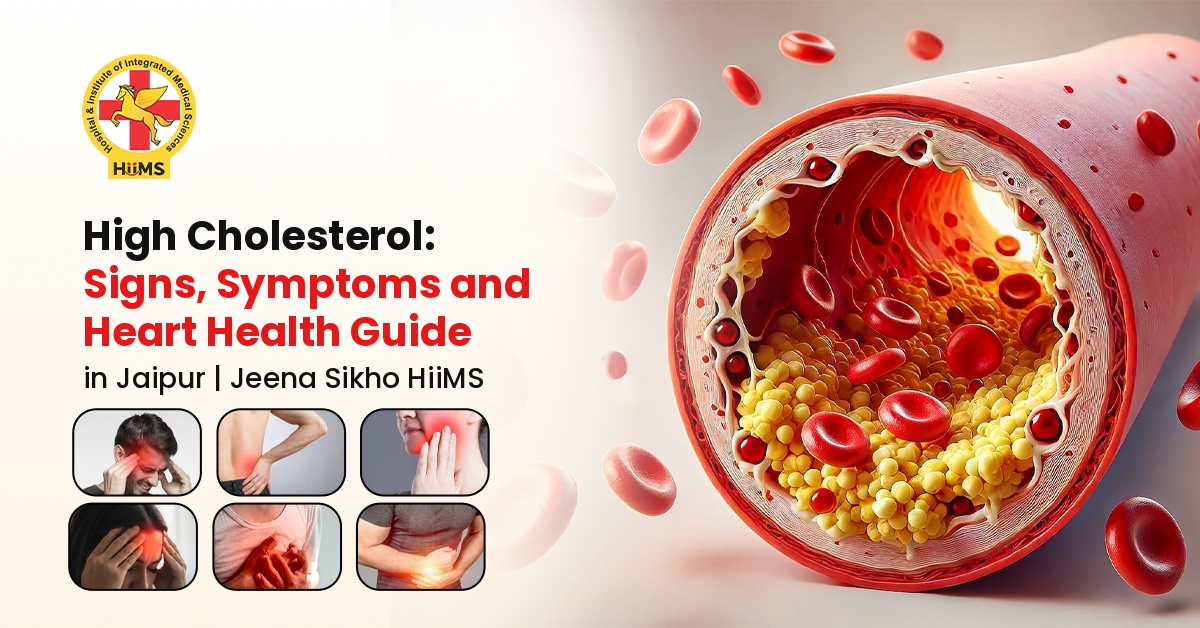
High cholesterol is a common health concern that can develop silently over time. Many people discover it only after a routine blood test, as elevated cholesterol usually does not cause noticeable symptoms in its early stages. Understanding cholesterol levels, recognising cardiovascular warning signs, and making healthier lifestyle choices can help protect long-term heart health.
Everyday habits, including food choices, physical activity, sleep, and stress management, play an important role in maintaining healthy cholesterol levels. While some people explore Ayurveda and natural approaches to wellness, regular medical monitoring remains essential for managing cholesterol effectively.
In this blog, we will explore the signs and symptoms of high cholesterol, its common causes, the importance of early detection, and how Ayurvedic principles and healthy lifestyle practices can complement cholesterol care. We will also explain how people seeking holistic healthcare in Jaipur can learn more about the services offered at Jeena Sikho HiiMS Hospital, Sanganer.
Why High Cholesterol Often Goes Unnoticed
High cholesterol is often called a silent health concern because it generally does not produce clear symptoms. A person may feel completely healthy while cholesterol levels gradually increase.
Here are some reasons why it can go unnoticed:
- Lack of noticeable symptoms: High cholesterol usually cannot be identified through how a person feels. A lipid profile blood test is the most reliable way to measure cholesterol levels.
- Confusion with everyday discomfort: Tiredness, dizziness, or general weakness may have many causes and should not automatically be attributed to high cholesterol.
- Gradual effects on blood vessels: Over time, excess LDL cholesterol can contribute to plaque formation in the arteries, increasing the risk of heart disease and stroke.
Regular health check-ups and appropriate blood tests can help identify cholesterol concerns before serious complications develop.
Early Signs of High Cholesterol You Should Not Ignore
Although high cholesterol itself usually has no symptoms, certain visible changes and cardiovascular warning signs deserve attention.
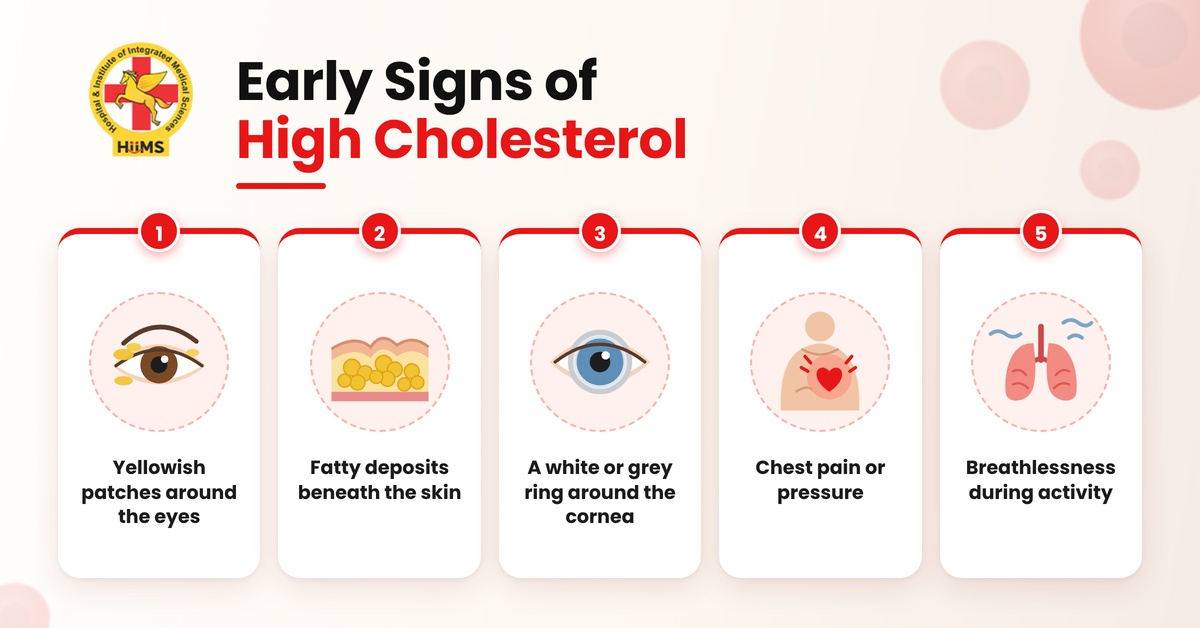
- Yellowish patches around the eyes: Some people with elevated cholesterol develop yellowish deposits called xanthelasma near their eyelids. These deposits do not always indicate high cholesterol, so medical evaluation is important.
- Fatty deposits beneath the skin: Firm or soft lumps around tendons, elbows, knees, or fingers may sometimes be xanthomas, which can be associated with inherited lipid disorders or high cholesterol.
- A white or grey ring around the cornea: A corneal arcus can sometimes be associated with lipid disorders, particularly in younger people. In older adults, it may occur without indicating a cholesterol problem.
- Chest pain or pressure: Cholesterol-related plaque can narrow the arteries supplying the heart. Chest discomfort may indicate angina or another serious condition, but it is not a direct symptom of high cholesterol itself.
- Breathlessness during activity: Shortness of breath can have several causes, including heart or lung conditions. Persistent or unexplained breathlessness requires medical assessment.
Important: Sudden chest pain or pressure, severe breathlessness, fainting, or discomfort spreading to the arm, jaw, or back may indicate a medical emergency. Seek emergency care immediately rather than waiting for a cholesterol test or an Ayurvedic consultation.
What Causes High Cholesterol to Build Up?
High cholesterol can result from a combination of dietary habits, genetics, medical conditions, and lifestyle factors.
- Diet high in saturated and trans fats: Frequent consumption of deep-fried foods, processed snacks, fatty meats, and foods containing industrial trans fats can raise LDL cholesterol. Replacing these with healthier unsaturated fats can help improve cholesterol levels.
- Lack of physical activity: A sedentary lifestyle can contribute to unhealthy cholesterol levels and increase the risk of weight gain, diabetes, and cardiovascular disease.
- Excess body weight: Carrying excess weight may contribute to higher triglycerides, lower HDL cholesterol, and other metabolic risk factors.
- Genetic factors: Some people inherit conditions such as familial hypercholesterolaemia, which can cause very high LDL cholesterol even when they maintain healthy habits.
- Underlying health conditions: Diabetes, hypothyroidism, kidney disease, and certain medications can affect cholesterol levels.
- Age and family history: Cholesterol levels and cardiovascular risk can change with age. A family history of early heart disease may indicate a need for earlier screening.
From an Ayurvedic perspective, diet, digestion, daily routine, and overall balance are important elements of traditional wellness practices. These concepts may help guide healthy habits, but they should not be considered proven explanations for elevated LDL cholesterol or substitutes for lipid testing.
When Can High Cholesterol Become Serious?
High LDL cholesterol can contribute to plaque buildup in the arteries, a process known as atherosclerosis. As plaque accumulates, arteries may become narrower and less flexible, potentially reducing blood flow to vital organs.
Possible complications include:
- Coronary artery disease
- Heart attack
- Stroke
- Peripheral artery disease
The risk depends on several factors, including cholesterol levels, blood pressure, diabetes, smoking, age, and family history.
Because high cholesterol usually does not cause symptoms, waiting for physical warning signs is not a reliable approach. A lipid profile and an individual cardiovascular risk assessment can help determine whether lifestyle changes, medication, or both are needed.
Speak with our expert doctor today to understand your cholesterol levels and get personalised guidance for better heart health.

Ayurvedic Approach to Cholesterol Care
Ayurveda traditionally emphasises balanced eating, regular routines, physical activity, stress management, and individualised care. These principles can be incorporated into a healthy lifestyle while monitoring cholesterol through appropriate medical tests.
Some practical habits include:
- Eating balanced meals with vegetables, fruits, pulses, and whole grains.
- Including fibre-rich foods such as oats, beans, lentils, and vegetables.
- Choosing nuts, seeds, and unsaturated oils in appropriate portions.
- Limiting deep-fried foods, packaged snacks, and excess saturated fat.
- Maintaining regular physical activity suited to your health and fitness level.
- Getting sufficient sleep and managing stress.
Ayurvedic herbs and formulations are sometimes used in traditional cholesterol care, but evidence for their effectiveness and safety varies. Some products can interact with prescribed medicines or affect the liver. Consult a qualified healthcare professional before taking herbal supplements, particularly if you have heart disease, diabetes, or kidney or liver problems.
Ayurvedic care should complement appropriate medical treatment, not replace prescribed cholesterol-lowering medication.
Holistic Healthcare at Jeena Sikho HiiMS Hospital, Sanganer, Jaipur
People in Jaipur seeking guidance on cholesterol, heart health, and lifestyle improvement can explore the services offered at Jeena Sikho HiiMS Hospital, Sanganer, Jaipur.
The hospital describes its approach as combining Ayurveda with holistic healthcare services, including diet and lifestyle guidance, naturopathy, and Panchakarma therapies. These approaches may be discussed as part of an individualised wellness plan, depending on a person’s health needs.
For high cholesterol, an appropriate care plan should include a lipid profile, assessment of cardiovascular risk factors, dietary guidance, and medical review where needed. Anyone with established heart disease or significantly elevated cholesterol should continue evidence-based treatment as advised by their doctor.
For more information about available services or to enquire about an appointment, visit the hospital’s official website.
Listening to Your Body and Taking Preventive Steps
High cholesterol rarely announces itself through obvious symptoms. This makes preventive screening, healthy food choices, and regular physical activity especially important.
Instead of relying on tiredness, dizziness, or other nonspecific symptoms, focus on measurable cholesterol levels and your overall cardiovascular risk. Small, consistent changes to daily habits can support long-term health, while timely medical advice helps identify when additional treatment is necessary.
An Ayurvedic approach may provide a traditional framework for healthy living, but cholesterol management should always be guided by appropriate testing and individual medical needs.
Conclusion
The signs and symptoms of high cholesterol can be misleading because the condition often develops without noticeable changes. Yellowish skin deposits may occur in some people, while chest discomfort and breathlessness may signal cardiovascular complications rather than high cholesterol itself.
A balanced diet, regular exercise, appropriate cholesterol screening, and medical guidance are key elements of effective cholesterol management. Traditional Ayurvedic lifestyle practices may complement these measures when used safely and appropriately.
For those seeking holistic healthcare in Jaipur, Jeena Sikho HiiMS Hospital, Sanganer, provides information about its Ayurvedic and lifestyle-focused services. Consult a qualified healthcare professional to understand your cholesterol levels and choose a care plan suited to your needs.

Book Your Video Consultation Today: Connect with a healthcare professional from the comfort of your home to discuss your cholesterol concerns and receive personalised guidance.
FAQs
1. What are the common early signs of high cholesterol?
High cholesterol usually has no noticeable early symptoms. A lipid profile blood test is the most reliable way to identify elevated cholesterol levels.
2. Can high cholesterol show on the skin?
Sometimes. Yellowish deposits around the eyelids or fatty lumps beneath the skin can be associated with cholesterol disorders, although these findings are not definitive and require medical assessment.
3. Can Ayurveda help manage high cholesterol?
Ayurvedic lifestyle principles, including balanced eating, physical activity, and regular routines, may complement cholesterol management. However, herbal treatments have varying levels of evidence and should be discussed with a qualified healthcare professional.
4. Which foods can help maintain healthy cholesterol levels?
Oats, beans, lentils, fruits, vegetables, whole grains, nuts, and seeds can support a heart-healthy eating pattern. Replacing saturated fats with unsaturated fats and limiting trans fats can also help improve cholesterol levels.
5. When should someone seek medical guidance for high cholesterol?
Arrange a medical assessment if you have elevated cholesterol, a family history of early heart disease, diabetes, or other cardiovascular risk factors. Seek emergency care for sudden chest pain, severe breathlessness, or symptoms that may indicate a heart attack or stroke.
6. Where can I enquire about holistic healthcare for cholesterol in Jaipur?
You can visit the Jeena Sikho HiiMS Hospital, Sanganer, Jaipur website to learn about its services and enquire about an appointment. For cholesterol management, ensure that your care includes appropriate blood tests and medical supervision.