

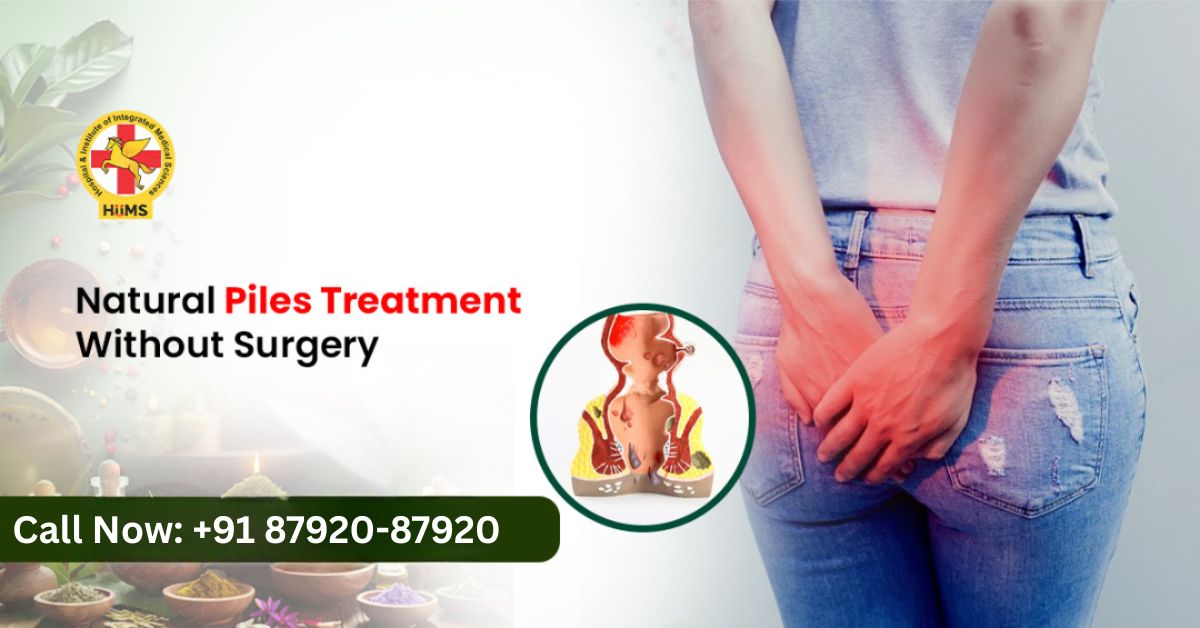
Piles or hemorrhoids are a widespread disease which afflicts most individuals at one time in their lives. The issue normally arises in cases whereby the veins around the rectal area become swollen because of the pressure. This may result in pain, itching, bleeding, or painful bowel movements. Numerous individuals are reluctant to discuss the condition, yet by finding the appropriate piles treatment and at the appropriate time, the issue can be avoided in order to make sure that the problem does not grow more complicated.
Although in some cases surgery is prescribed to treat the severe cases, a lot of people seek natural piles treatment without surgery which is based on lifestyle transformations and supportive therapies. In a number of situations, early treatment, nutrition, and medical advice can be used to control the symptoms and, with time, make the patient more comfortable. Understanding how to treat piles and when to consult a piles doctor or piles specialist can make a significant difference in recovery and long-term relief.
What Are Piles and Their Types?
Piles are distended blood vessels of the lower rectum or of the anus. They can either grow inward in the rectum or outward in the skin surrounding the anal area. The piles are common and they include:
- Internal piles – They are found within the rectum and are usually painless though it can result in bleeding.
- External piles – These are located around the anal aperture and can result in pain, swelling, or irritation.
- Prolapsed piles – These are caused by internal piles sticking out of the anus.
Common Causes of Piles
The causes of development of piles may be several factors. Among the most frequent causes there are:
- Chronic constipation
- Difficulty in passing bowel.
- Low-fiber diet
- Sitting for long periods
- Lack of physical activity
- Obesity
- Pregnancy
When these factors are long term, tension on the rectal veins is strained and piles can be developed.
Symptoms Which Can Be an Indication of Piles
Symptoms such as piles can have a number of uncomfortable symptoms which include:
- Anal pain or burning in the anal region.
- Bloody bowel movements.
- Filled with fluid around the anus.
- Itching or irritation
- Problem sitting comfortably.
If these symptoms persist, it is advisable to consult a piles doctor or piles specialist for proper diagnosis.
How to Treat Piles Without Surgery?
Several individuals are of the thought that piles have to be operated on and that is not necessarily the case. A number of safe and effective choices exist in the present day. If you are wondering how to treat piles, it is important to understand that non-surgical piles treatment can help reduce swelling, improve blood circulation, and address root causes such as constipation and poor digestion. Treatments in Ayurveda and modern medicine have the ability to reduce piles, without significant surgery or protracted hospitalization. Consulting a piles specialist helps determine the most suitable treatment based on the patient’s condition. Some of the treatment options of piles that are generally recommended and may be used in order to treat the condition safely without surgical intervention are shown below.
1. Ayurvedic Therapy Kshar Sutra
Kshar Sutra therapy of piles is one of the most popular Ayurvedic treatments. It is an ancient parasurgical procedure that is mentioned in Ayurvedic scripts. With this technique, a thread herbal medication is patiently placed on the pile mass.
As time goes by, the thread slowly pierces through the afflicted tissue and at the same time lets it heal. The thread is coated with herbs that assist in the reduction of infection, swelling and bleeding. The reason why many patients prefer the Kshar Sutra treatment of piles is that it is less painful and takes shorter time than normal surgery. In Ayurveda, Kshar Sutra therapy is recognized as an effective choice of internal and external piles, to be done under the supervision of a doctor.
2. Diet and Correction of Lifestyle.
One of the principal causes of piles is constipation. Due to this, the enhancement of everyday practices and meals is a significant component of surgical-free treatment of piles. Some helpful habits include:
- Consumption of foods that contain fiber like fruits, vegetables and whole grains.
- Consuming the right amount of water on a daily basis.
- Restricting spicy, oily, and highly processed food.
- Not sitting in one position without any movement.
The alterations aid in the better functioning of the digestive system and lesser strain on the rectal veins, which may slightly alleviate the symptoms of piles.
3. Sitz Bath and Local Care
A sitz bath is also a simple technique and one of the recommendations that are usually suggested to alleviate the piles discomfort. The affected part is immersed in warm water in this practice of approximately 10-15 minutes. This helps:
- Swelling and irritation relieved.
- Improve blood circulation
- Relax the muscles that are surrounding.
Sitz baths are commonly recommended with medicines as a non-surgical piles measure, particularly in their initial stages.
4. Non-Surgical Procedures of the modern world.
Other than Ayurveda, modern medicine also provides a number of non-surgical treatments of piles.
- Rubber Band Ligation: A rubber band is put in the area of the hemorrhoid at the base to prevent the output of blood. The pile tissue dries up and decades in a few days.
- Sclerotherapy: The affected vein is injected with a special solution to constrict the pile and minimise bleeding.
- Infrared Coagulation: The blood vessels serving the pile are closed using an infra-red heat, resulting in the pile slowly shrinking.
- Laser Treatment: Laser therapy employs the energy to shrink piles precisely and also the treatment can be done within a short time.
- Cryotherapy: Smaller piles are reduced by using extremely low temperatures.
A piles treatment doctor or piles specialist can determine which procedure may be suitable based on the severity of the condition. If you are dealing with piles related issues and need non-surgical treatment, you can visit Jeena Sikho HiiMS to explore natural treatment options under proper medical guidance.
Conclusion
Piles may be very uncomfortable, and with early care and attention, one may reign the problem. Numerous people consider treatment of piles without surgical intervention by lifestyle modification, better nutrition, and expert medical care. Understanding how to treat piles, recognizing early symptoms, and consulting a qualified piles doctor when necessary can help prevent complications and support long-term relief. To consult or to get more information: +91 8792087920 care@jeenasikho.com.

FAQs
1. What is the most common cause of piles?
Constipation and straining during bowel movements are among the most common causes of piles.
2. How do I know if I need a piles specialist?
When symptoms such as pain, bleeding, or swelling persist for a few days, seeking advice from a piles specialist may be helpful.
3. What foods help in piles treatment?
Including fiber-rich foods like fruits, vegetables, whole grains, and legumes in your diet may support better digestion and ease constipation.
4. Is exercise helpful for piles?
Regular physical activity helps improve digestion and reduces pressure on rectal veins.
5. What are internal piles?
When piles develop inside the rectum, they are called internal piles and may cause painless bleeding during bowel movements.