
Do you often feel tired for no clear reason, or notice your appetite has quietly dropped over the past few weeks? Most people brush this off as stress or a busy schedule, but sometimes it can be your body’s way of hinting at something happening inside your liver. Knowing the early symptoms of liver disease can make a real difference, because the liver is one of those organs that often stays silent until the damage has already progressed.
In this blog, we will walk through how to recognise the early symptoms of liver disease, how they differ from fatty liver disease symptoms, chronic liver disease symptoms, and severe liver disease symptoms, and what you can do to support your liver’s health naturally.
Why the Liver Often Stays Silent?
The liver is a quiet worker. It filters toxins, helps digest food, and produces substances that keep your blood clotting normally. Because it has a large reserve capacity, it can keep functioning even when a portion of it is damaged. This is exactly why the early symptoms of liver disease are so easy to miss, the liver simply compensates for a while before any visible signs show up.
This is also why doctors often say liver disease is a silent condition in its initial stage. By the time noticeable symptoms appear, some damage may have already occurred. That’s why learning to spot the subtle signs early is so important.
Early Symptoms of Liver Disease You Shouldn’t Ignore
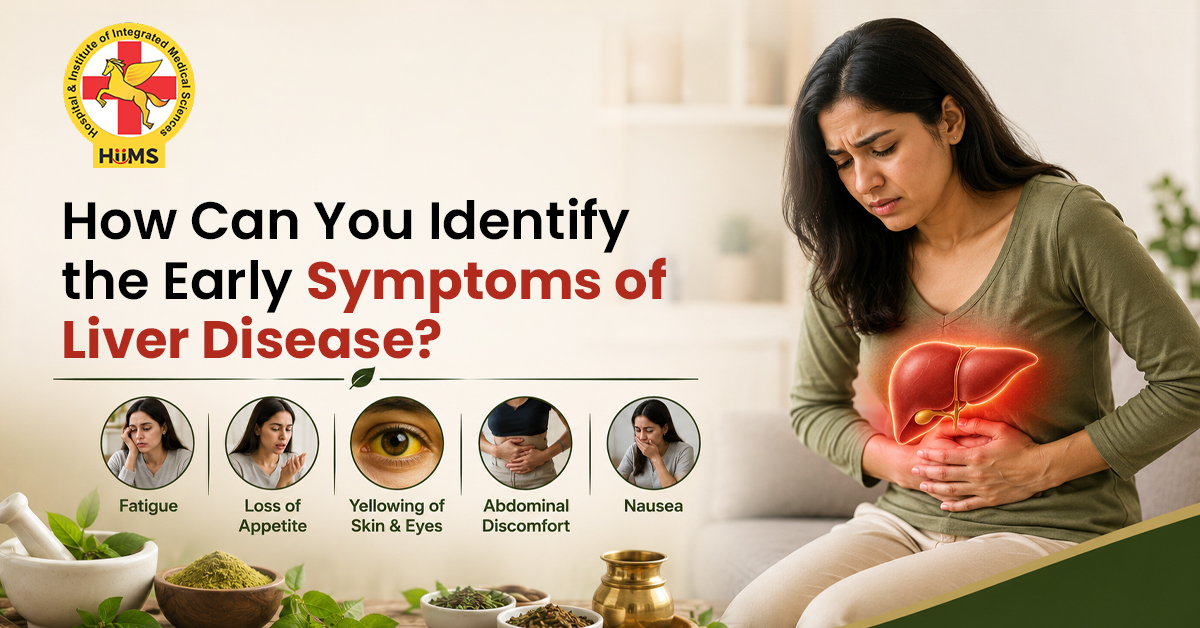
The early signs of liver disease may be subtle enough to be confused with ordinary tiredness or poor eating habits. Here are some examples of these:
- Persistent fatigue despite having enough sleep
- Loss of appetite or early satiety
- Mild nausea, particularly after eating fatty food
- Occasional abdominal pain or a sensation of bloating in the upper right portion of the belly
- Unexplained fluctuations in weight
- Tendency to bruise easily
None of these symptoms may seem alarming enough by themselves; that is the reason why they often get ignored. However, if two or more of these persist for a few weeks already, a visit to your doctor for a liver test might be advisable.
Fatty Liver Disease Symptoms: The Most Common Starting Point
Fatty liver disease is one of the most common liver conditions today, largely linked to poor diet, low physical activity, and rising obesity and diabetes rates. Fatty liver disease symptoms are often extremely mild in the early stage, which is part of what makes this condition so widespread and under-diagnosed. Common fatty liver disease symptoms include:
- Mild fatigue
- A dull ache or discomfort in the upper right abdomen
- General weakness
- In some cases, no symptoms at all, with the condition only showing up on a routine scan
Since fatty liver disease symptoms overlap so closely with general tiredness, many people don’t realise they have it until a doctor picks it up during an unrelated health check-up.
Chronic Liver Disease Symptoms: When the Condition Has Been Building Up
Problems with the liver that go on untreated for a prolonged period of time can lead to chronic liver disease. Chronic liver disease symptoms are much clearer and more definite as opposed to those seen during the initial stages. Some of these signs are:
- Persisting tiredness that cannot be cured by taking a lot of rest
- Swelling in legs
- The skin turning slightly yellowish along with the eyes (jaundice)
- Itching without any skin rash
- Dark-colored urine
- Pale-coloured stools
- Gastrointestinal issues including bloating and vomiting
The signs of liver diseases become apparent after a long time and thus, it becomes essential to have regular health examinations especially when there is an increased risk of developing liver diseases due to some reasons like excessive consumption of alcohol, diabetes, or having liver diseases in the family.
Severe Liver Disease Symptoms: When It’s Time to Act Immediately
Severe liver disease symptoms indicate that the condition has progressed significantly and needs urgent medical attention. Some are:
- Yellow discolouration of the skin and eyes
- Lack of concentration and confusion
- Abdominal swelling caused by water retention
- Blood in vomiting or stools
- Severe abdominal pain
- Fatigue so severe that it interferes with normal activities
If you or anyone else around you is showing any of the above severe liver disease symptoms, immediate medical attention should be sought.
Jeena Sikho HiiMS Approach to Liver Wellness
At Jeena Sikho HiiMS, our approach to liver health is rooted in Ayurveda’s holistic thinking, the idea that the liver doesn’t function in isolation but is closely connected to digestion, diet, and daily habits.
Every patient receives a personalised assessment based on their body constitution, current lifestyle, and specific concerns. Based on this, our care may include:
- Diet guidance that focuses on foods traditionally considered supportive of digestion and liver comfort
- Lifestyle adjustments, including better sleep patterns and reduced exposure to alcohol or processed foods
- Yoga and breathing practices that may help support overall metabolism and stress reduction
- Classical Ayurvedic herbs, traditionally used to support liver and digestive wellness
- Panchakarma-based therapies, where appropriate, as part of a broader detox and wellness plan
Our approach focuses on holistic wellness and helping the body manage stress on the liver naturally, alongside, not instead of, any medical treatment a patient may already be undergoing. We believe long-term lifestyle support and conventional medical care can work well together.
Conclusion
Learning to recognise the early symptoms of liver disease can help you seek timely guidance before things progress further. From mild fatigue in the early stage to more specific fatty liver disease symptoms, chronic liver disease symptoms, and severe liver disease symptoms, your body usually gives some warning signs along the way the key is not to ignore them.
If you’ve been noticing unusual tiredness, digestive discomfort, or any of the signs mentioned above, don’t wait for things to worsen. Jeena Sikho HiiMS offers VOPD consultations where our team can guide you toward a personalised wellness plan that supports your liver naturally. Book your VOPD consultation today and take the first step toward better liver wellness.

FAQs
1. What are the early signs of liver diseases?
Some of the early signs of liver diseases include fatigue, decreased appetite, nausea, and pain in the upper part of your abdomen. These symptoms are difficult to notice, and therefore it is advisable to carry out a liver test after some weeks.
2. Are fatty liver disease symptoms reversible?
Most of the fatty liver disease symptoms can be treated by making lifestyle changes. These changes include adopting a healthy diet, exercising regularly and lowering consumption of alcohol.
3. In what way do chronic liver disease symptoms differ from early signs?
The symptoms of chronic liver diseases include swelling, jaundice and dark urine and usually develop much later.
4. When should you consider liver disease symptoms as an emergency?
Liver disease symptoms that you should treat as an emergency include confusion, vomiting blood and abdominal pain.
5. Does Ayurveda have a role in promoting liver wellness?
Although Ayurveda cannot be used as a substitute for medicine in treating liver diseases, it can be used in promoting liver wellness.