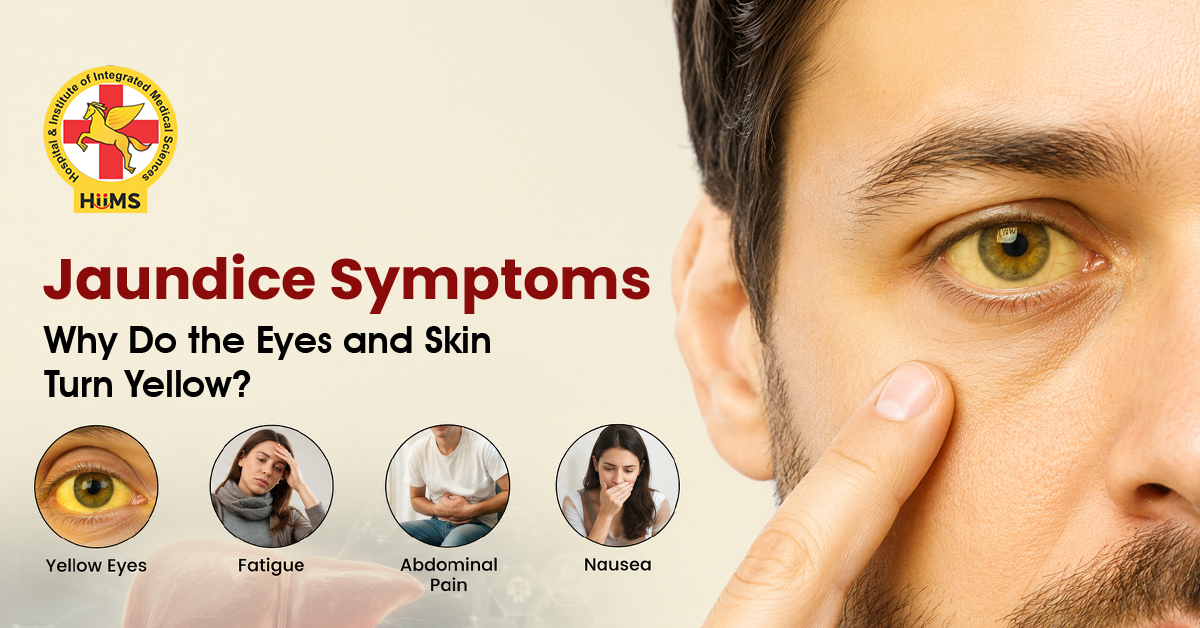

Do you ever notice yellowing in the white part of your eye or skin and think about its possible implications? Even though a skin change may have various explanations, it is essential to pay attention when the skin becomes yellowish since it might indicate a problem with the process of bilirubin metabolism or elimination or even symptoms of jaundice.
Jaundice itself is not a medical condition; it is merely a symptom that arises due to some health issues in the area of liver or bile ducts and even red blood cell degradation. The knowledge of the cause is vital for further jaundice treatment.
What Is Jaundice?
The accumulation of bilirubin in the body results in the condition known as jaundice, which causes the skin and the white part of the eye to turn yellow. Bilirubin is a yellow pigment that forms when the body breaks down the worn-out red blood cells.
Under normal conditions, bilirubin is processed in the liver and then expelled by bile. Bile passes through the bile ducts and enters the digestive system, from where it is finally excreted out of the body.
The condition can occur at any age and may have different causes. This is why recognising the symptoms of jaundice is only the first step. Finding out why bilirubin is elevated is equally important.
Why Do the Eyes and Skin Turn Yellow?
The yellow colour is directly related to excess bilirubin.
Your body continuously replaces old red blood cells. When these cells break down, bilirubin is produced as part of the process. The liver normally takes this bilirubin from the blood, processes it and helps pass it out through bile.
In case the liver is damaged or is unable to process bilirubin, then the levels of bilirubin rise. Similarly, a blockage in the bile ducts can prevent bilirubin from leaving the body normally. Conditions that cause red blood cells to break down unusually quickly can also increase bilirubin levels.
As bilirubin accumulates, it enters body tissues. The whites of the eyes can show the change quite clearly, followed by yellowing of the skin. This is one of the most recognisable jaundice symptoms.
7 Common Jaundice Symptoms to Watch For
Yellow eyes and skin are not the only signs. Depending on the cause and severity, a person may experience several other symptoms.
1. Yellow Eyes and Skin
The most obvious sign is yellowing of the whites of the eyes and skin. The colour can range from a mild yellow tint to a deeper yellow depending on bilirubin levels.
If you notice unexplained yellowing, especially for the first time, it is better to get it evaluated rather than assuming it will disappear on its own.
2. Dark Urine
The patient’s urine may be darkened as compared to what is usually seen before. This could be the result of excessive bilirubin being excreted by the kidneys in the body.
The presence of dark urine in addition to yellowish eyes or skin may indicate jaundice symptoms.
3. Pale or Clay-Coloured Stools
Healthy bile is responsible for the usual brown colouration of stool. In situations where bile fails to enter the intestines in a proper way, the stool takes a paler colour.
This may happen in cases where there is something wrong with the flow of bile.
4. Itchy Skin
Some people with jaundice experience itching. This may occur when substances associated with bile accumulate in the bloodstream and tissues.
Persistent itching combined with yellowing of the eyes or skin should not be treated only with creams or home remedies. The underlying reason needs to be identified.
5. Tiredness and Weakness
Fatigue and weakness can occur with the several conditions that cause jaundice, including some liver disorders and infections. However, tiredness alone does not confirm that it is jaundice.
When fatigue appears together with other jaundice symptoms, it becomes more important to consider a proper health evaluation.
6. Loss of Appetite and Nausea
Appetite changes, nausea and vomiting can also be experienced depending on the cause of the disease. There are many other disorders of the gastrointestinal tract where such manifestations occur.
Thus, they must be taken into account along with other symptoms and not used for the diagnosis of jaundice.
7. Abdominal Pain or Discomfort
Some people may have abdominal pain, especially if it occurs because of the problem with the liver, gallbladder or bile ducts. Severe abdominal pain associated with fever and skin discolouration requires urgent treatment.

What Causes Jaundice?
There are several possible jaundice causes, and they can broadly involve problems before the liver, within the liver or after the liver.
Some of the common reasons are:
- Liver diseases: Liver diseases like hepatitis can cause impairment in the functioning of bilirubin.
- Gallstone: There can be obstruction to the free flow of bile due to the presence of gallstones.
- Impairment of bile ducts: Obstruction in the bile ducts can impair the flow of bilirubin in the intestine.
- Impairment of red blood cells: Red blood cells can cause rapid production of bilirubin.
- Medication and toxins: They can also impact the functioning of the liver.
- Some other liver disorders.
Because there are so many possible jaundice causes, treatment should not be started simply because the eyes look yellow.
How Is Jaundice Diagnosed?
A healthcare professional may begin with a physical examination and ask about symptoms, medical history, medicines and other health concerns. In blood tests it can detect and evaluate liver function by analysing the bilirubin level. A test of the function of the liver is done and is commonly known as an LFT. Depending on how the liver function is found, further blood tests and possibly imaging scans are used to diagnose the reason for this.
Finding the cause is important because jaundice treatment varies considerably. For example, jaundice caused by a blocked bile duct requires a different approach from jaundice caused by hepatitis or increased red blood cell breakdown.
Ayurvedic Perspective on Jaundice
In Ayurveda, jaundice is traditionally described as Kamala. Ayurvedic texts discuss the condition in relation to Pitta, Agni and the functioning of the digestive and metabolic system. At Jeena Sikho HiiMS, the Ayurvedic approach may include personalised diet and lifestyle guidance, herbal support and suitable Ayurvedic therapies after assessing the individual’s condition. The approach is not based on one remedy for everyone. Factors such as symptoms, digestion, strength and overall health may be considered before creating a care plan.
Diet and Lifestyle Support
Food can become an important part of supportive care when someone is dealing with liver or digestive problems. A medical professional will advise on a basic, balanced diet based on the cause and nutritional needs. Drinks that should be avoided are alcohol, as they also put a strain on the liver, along with any supplements and any remedies prescribed to oneself unless advised by a trained professional.
At Jeena Sikho HiiMS, dietary advice & lifestyle guidance may be part of the Ayurvedic supportive therapy provided. Spotting yellowing in eyes or skin and seeking guidance? Speak to our care team at Jeena Sikho HiiMS and learn all about jaundice, the liver and the diet & support for it.
Can Jaundice Be Treated at Home?
There is no universal home remedy that can treat every type of jaundice. Since jaundice can result from different underlying conditions, treatment must focus on the actual cause. While maintaining hydration, eating appropriately and getting adequate rest may support general wellbeing, these measures should not replace medical evaluation. Avoiding alcohol and unnecessary medicines is particularly important when liver involvement is suspected. If you are considering Ayurvedic or herbal products as part of your jaundice relief plan, discuss them with a qualified practitioner first.
When Should You See a Doctor?
Yellowing of the eyes or skin should be evaluated, especially if it appears suddenly or is accompanied by other symptoms.
You should seek medical treatment immediately if:
- You also feel
- have other symptoms such as
- Severe abdominal pain
- Fever or chills
- Vomiting over and over
- Confused or is overly sleepy
- Sudden severe weakness
- Bleeding
- Yellowing that quickly gets worse
Do not assume yellow eyes automatically mean a simple liver issue; many cases can be urgent.
Conclusion
Yellow eyes and skin are among the most noticeable symptoms of jaundice, but they are only one part of the picture. Dark urine, pale stools, itching, fatigue, nausea and abdominal discomfort can also occur. Jaundice has myriad causes, and thus, it is necessary to understand its root cause before administering treatment accordingly.
Jeena Sikho HiiMS focuses on the Ayurvedic and lifestyle-based approach that may contain a customised diet, herbal remedies and appropriate therapies post assessment along with VOPD consultation. If you notice yellowing of your eyes or skin, seek proper evaluation first and choose jaundice treatment according to the actual cause.

FAQs
1. What causes a jaundiced appearance in the eyes?
The eyes appear jaundiced due to excessive amounts of bilirubin in the blood and tissues, and the whites of the eye are particularly affected.
2. What are the typical symptoms of jaundice?
Other common jaundice symptoms consist of dark urine, pale, light-coloured stools and pruritus. Loss of appetite, tiredness, nausea and abdominal pain may also be experienced depending on the underlying cause.
3. What are the common causes of jaundice?
Other common jaundice causes include gallstones, bile duct blockage, other liver disease conditions and hepatitis, together with those that can cause increased destruction of red blood cells.
4. How is jaundice treated?
There is no single treatment for jaundice; a treatment programme will focus on, or relieve, any underlying condition or problem identified to treat jaundice. This can consist of medication or sometimes nothing other than general attention or may involve dealing with a cause, for example, other than just to alleviate the jaundice from its symptoms.
5. Does jaundice clear up by itself?
This is entirely dependent on the cause, with some simply clearing as a particular problem becomes better. But others require attention. Anyone presenting with new unexplained jaundice should have that explained.