
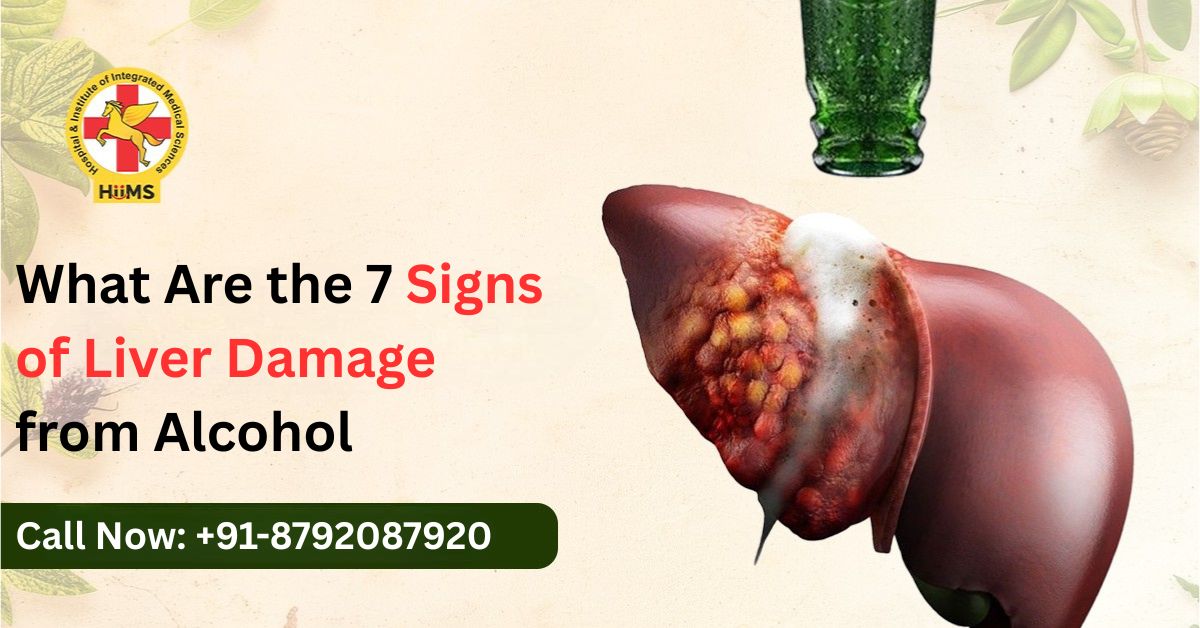
The liver is one of the most important organs in the body. Blood is cleaned by the liver, digestion is supported, and harmful substances are removed. When alcohol is taken regularly for a long period, extra work is placed on the liver. Over time, this constant pressure may damage liver cells. At first the body may not show strong symptoms, so many people do not realise that the liver is being affected. Over time, however, the damage may increase and certain warning signs begin to appear.
Recognising these signs early is very important. When alcohol continues to affect the liver, it may lead to serious conditions related to liver damage. Timely medical care can help control the situation and support liver recovery. Many patients today also explore supportive care methods along with medical treatment. If someone notices unusual symptoms after regular alcohol intake, it is better to seek medical guidance without delay. Hospitals with experience in liver disease treatment can guide patients in the right direction and help protect liver health before the condition becomes severe.
Early Signs That May Show Alcohol Is Affecting the Liver
Alcohol-related liver problems usually develop slowly. In the beginning the symptoms may look simple and people may ignore them. However, the body often gives small signals that something is not normal.
Understanding the 7 signs of liver damage from alcohol can help people recognise the condition earlier and take medical advice before the damage becomes serious.
- Constant tiredness
A person may feel tired most of the time even after taking proper rest. This happens because the liver is not able to process nutrients and toxins properly. As a result, the body may feel weak and low on energy. - Loss of appetite
People with alcohol-related liver damage may slowly lose interest in food. Sometimes they feel full even after eating small amounts. This change in appetite may continue for several weeks. - Nausea or stomach discomfort
The liver plays a role in digestion. When it becomes weak, digestion may get disturbed. Because of this, a person may feel nausea, stomach discomfort, or mild pain in the upper abdomen. - Yellowing of skin and eyes
Yellow colour in the eyes or skin is known as jaundice. It appears when the liver cannot process bilirubin properly. This is one of the more visible signs among the early signs of liver damage. - Swelling in legs or abdomen
When the liver function becomes weak, fluid may start collecting in the body. This can cause swelling in the legs, feet, or stomach area. The swelling may increase slowly over time. - Unexplained weight loss
People with alcohol-related liver problems may lose weight without trying. This may happen because the body is not absorbing nutrients properly. - Itching on the skin
Persistent itching without any skin disease may sometimes be linked to liver problems. This occurs when certain waste substances build up in the blood due to poor liver function.
If several of these signs appear together, it is important to consult a specialist for proper liver disease treatment.
Main Causes of Alcohol Related Liver Damage
The most common reason for alcohol-related liver damage is long-term alcohol consumption. When alcohol is taken frequently, the liver has to break it down repeatedly. Over time this process may cause inflammation and injury to liver cells. Other factors may also increase the risk. Diet issues, obesity, hepatitis infection, and some medicines can strain the liver. Alcohol with these factors can increase liver disease risk.
Ayurvedic Detox Therapies Used for Liver Care
The first step in treating alcohol-related liver problems is to stop alcohol completely. If alcohol intake continues, the damage may increase. Ayurveda also uses certain detox methods to help the body remove accumulated toxins. These treatments are called Panchakarma and they are done under the care of trained doctors. The aim is to clean the digestive system, lower toxins in the body, and support liver health. At Jeena Sikho HiiMS, these therapies are planned after carefully studying each patient’s condition. Doctors first look at the patient’s health history, digestion, and body strength. Then the right detox procedures are suggested so that people with liver damage can receive safe and supportive care.
Some Ayurvedic detox therapies used for liver support include:
- Virechana – helps remove excess heat and waste from the body, which may support liver cleansing.
- Basti – supports digestion and helps reduce internal swelling in the body.
- Raktamokshan – helps clean the blood and balance body heat
- Vamana – helps remove toxins that affect digestion and metabolism
- Nasya – helps open blocked body channels and support body balance
These therapies may help the body remove toxins slowly and improve internal balance. When done with proper supervision, they can support the overall process of liver disease treatment and help patients move toward better liver health.
Daily Habits That Help Protect the Liver
Healthy daily habits can make a significant difference for people recovering from liver problems. Simple habits can ease pressure on the liver and support better body balance.
Some helpful habits are eating balanced food, drinking enough water, staying away from alcohol, and doing regular physical activity. Good sleep and managing stress also help the body stay healthy. At Jeena Sikho HiiMS, doctors regularly guide patients about these lifestyle habits as part of long-term liver disease treatment.
Conclusion
Alcohol-related liver damage often develops slowly, so many people miss the early signs. Symptoms like tiredness, loss of appetite, nausea, swelling, and yellowing of the eyes should not be ignored. Understanding these warning signs helps in taking timely action. Avoiding alcohol and following healthy habits can protect the liver. Early consultation with experienced doctors and proper liver disease treatment at trusted hospitals like Jeena Sikho HiiMS can help manage the condition effectively.

FAQs
1. What are the common signs of liver damage from alcohol?
Common symptoms include tiredness, poor appetite, nausea, swelling, jaundice, itching, and unexpected weight loss.
2. Can alcohol-related liver damage be reversed?
Early stages may improve if alcohol consumption is stopped and proper liver disease treatment is followed.
3. How do doctors diagnose liver damage?
Doctors usually diagnose it through blood tests, imaging scans, and medical evaluation.
4. Is lifestyle change important in liver treatment?
A balanced diet, complete avoidance of alcohol, and regular physical activity help support recovery.
5. Which is considered the best liver hospital for treatment?
Hospitals such as Jeena Sikho HiiMS offer combined care and guidance to help manage liver diseases.