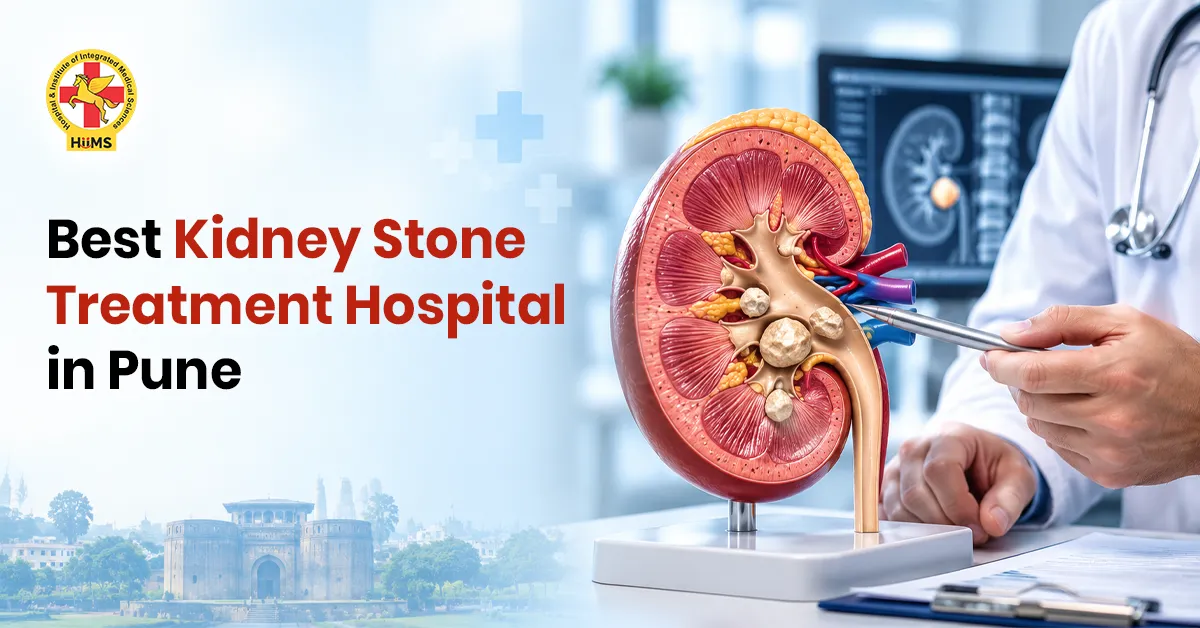

A sudden, sharp pain in the back or side can stop your whole day. For many people in pune, that pain turns out to be a kidney stone. A kidney stone is a small, hard lump made of salts and minerals. It forms inside the kidney and grows slowly over time.
Some stones pass out on their own. Others get stuck and cause strong pain, vomiting, burning while passing urine, and even blood in the urine.
Hot weather, low water intake, oily food, and long hours of sitting all add to the problem. Many families also wait too long, hoping the pain will fade. That delay often makes the stone harder to manage.
This blog explains what kidney stones are, why early care matters, and which treatment paths people usually choose. It also shows why more families now lean towards gentle, natural care. If you are searching for kidney stone treatment in pune, this guide will help you understand your choices before you decide.
Why Early Care Is Important for Kidney Stones
A kidney stone is not just a pain problem. If it blocks the flow of urine, it can swell the kidney and raise the risk of infection. The National Institute of Diabetes and Digestive and Kidney Diseases reports that about 1 in 10 people will have a kidney stone at some point in life.
Studies show that people who have had one stone face a high chance of getting another within several years. That is why care should aim at the cause, not only at the stone.
Common signs to watch for:
- Sharp pain in the side, back, or lower belly
- Pain that comes and goes in waves
- Burning or pain while passing urine
- Pink, red, or cloudy urine
- Nausea and vomiting
If you see these signs, do not wait. Early care keeps the problem small and the recovery smooth.
Book your consultation today and take the first step towards relief.

Common Treatment Approaches for Kidney Stones
People usually hear about a few main kidney stone treatment options. Let us look at them in simple words.
- Pain medicines: These calm the pain for a short time. Using them again and again can put an extra load on the kidneys.
- Shock wave therapy: Sound waves break the stone into small pieces. Some people report the bruising, pain and blood in the urine afterwards.
- Surgery or scope based removal: Doctors use a thin tube or a cut to take the stone out. These steps carry risks such as infection, bleeding and a long recovery.
The Urology Care Foundation describes these methods and notes that stones can return after treatment.
This is the main gap. These methods remove a stone that already exists. They do little about why the stone formed. Many people also worry about side effects and repeat visits. That worry pushes them to look for safer, natural care.
Natural Care for Kidney Stones Through Ayurveda
Ayurveda looks at the body as a whole. It asks why stones form, not only how to remove them. Digestion, water balance, food habits, and daily routine all play a part. For gentle treatment of kidney stone pain, many families now ask about natural care first. It uses food, herbs and lifestyle changes that suit the body.
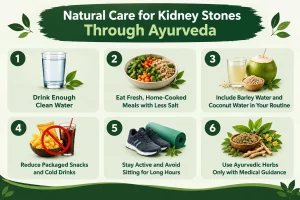
Simple steps that support kidney health:
- Drink enough clean water throughout the day
- Eat fresh, home-cooked meals with less salt
- Add barley water and coconut water to your routine
- Cut down on packaged snacks and cold drinks
- Stay active and avoid sitting for hours
Ayurvedic texts mention herbs such as Pashanbhedi, Gokshura and Varun for urinary health. Their use should always follow a doctor’s advice. The MedlinePlus guide on kidney stones also stresses water and diet as key steps for prevention.
Jeena Sikho HiiMS pune Approach: Treating the Root Cause
At Jeena Sikho HiiMS, care starts with listening. In clinical practice, our kidney stone specialist in pune begins with your history, food habits, water intake, and daily routine. Then the doctor looks at your reports.
The aim is to find out why the stone formed. It may be weak digestion, too little water, or a poor diet. Once the cause is clear, the doctor plans a natural course for you. No doctor can promise the same result for every person. Each body responds in its own way. That is why the plan stays personal.
Services Offered for Kidney Stone Treatment in pune
Patients who want natural kidney stone treatment in pune can find several supportive services under one roof.
- Detailed consultation: A kidney stone doctor in pune reviews your history and reports.
- Ayurvedic medicines: Herbal formulas chosen for your condition.
- Diet guidance: A simple food plan with foods to add and foods to avoid.
- Lifestyle advice: Easy habits for water, sleep, and movement.
- Follow-up care: Regular checks to track your progress.
- Panchakarma therapies: Cleansing therapies that support the body’s natural balance.
Deciding the Best Approach for Your Health
Choosing a hospital is a big decision. Ask a few clear questions before you pick one.
- Does the team look for the cause of the stone?
- Is the treatment plan easy to understand?
- Do they guide patients on diet and future care?
- Do they avoid big promises?
A good hospital treats you as a person, not a report. Take your time, ask questions, and choose the path that feels safe and honest.
Conclusion
Kidney stones cause real pain, but you do not have to face them alone. Early care, the right diet, and a root cause approach can make a big difference. If you want gentle and personal kidney stone treatment in pune, Jeena Sikho HiiMS is ready to guide you.
You can visit us for OPD or IPD care or choose day care for a shorter stay. If travel is hard, HiiMS at Home and VOPD bring our doctors to you. Our doctors listen first, then plan your care step by step. Book your consultation today.

FAQs
1. Can I treat a kidney stone at home?
Small stones may pass with water and dietary care, but always check with a doctor first.
2. Can kidney stones cause fever?
Yes, a fever with the stone pain can point to an infection and needs quick medical attention.
3. Is it safe to ignore a small stone with no pain?
No, even silent stones should be checked, as they can grow or block urine later.
4. Why did I get a kidney stone at a young age?
Low water intake, junk food and long sitting hours are common reasons in young people.
5. Do I need to follow a special diet during treatment?
Yes, a simple diet plan from your doctor supports the care.