
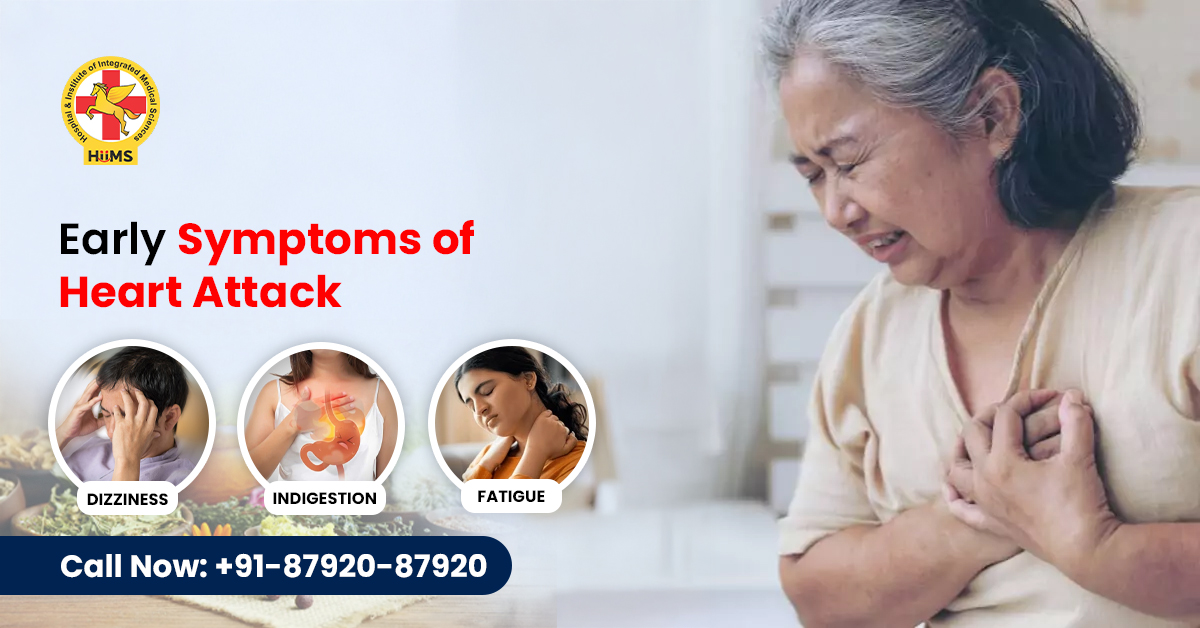
Heart disease is one of the leading health problems in India and around the world. Many people think that a heart attack happens suddenly without any warning. But in many cases, the body gives small signals before a major problem occurs. Knowing the symptoms of heart attack in the early stage can save a life. Timely action and proper medical care can reduce serious damage to the heart.
At Jeena Sikho HiiMS Pune, we believe that awareness is the first step toward prevention. A heart attack happens when the blood flow to a part of the heart gets blocked. This blockage is usually caused by fat deposits in the arteries. When the heart does not get enough oxygen, the heart muscle starts to suffer. Understanding the early signs can help you or your loved ones take action on time. In this blog, we will explain the warning signs in simple words so that everyone can understand them easily.
What Is a Heart Attack?
A heart attack, also known as a myocardial infarction, happens when blood cannot reach a part of the heart due to a sudden blockage. Since the heart is a muscle, it depends on oxygen-rich blood every second. Without proper blood flow, the heart muscle can suffer injury within minutes.
The main reason for this blockage is the gradual buildup of cholesterol and fatty substances inside the arteries. Over the years, these deposits make the arteries tight and less flexible. When a clot develops in such a narrowed artery, it may fully block the passage of blood. This condition causes serious heart attack symptoms that need immediate attention.
Common Early Symptoms of Heart Attack
Many people overlook early warning signs, thinking they are caused by gas, stress, or simple tiredness. However, it is important to recognise the real symptoms of heart attack.
1. Chest Pain or Discomfort
In most cases, chest pain is the first sign. There may be a feeling of tightness, pressure, heaviness, or pain in the middle or left side of the chest. The pain may last for a few minutes or come and go.
2. Pain in Other Parts of the Body
The pain can spread to the arms (especially the left arm), back, neck, jaw, or stomach. Sometimes people feel pain in these areas without chest pain.
3. Shortness of Breath
You may find it hard to breathe, even while resting. This can happen with or without chest pain.
4. Sweating
Sudden cold sweating without any physical work can be a warning sign.
5. Feeling Weak or Lightheaded
Some people feel dizzy or very weak. They may feel like they are about to faint.
These early symptoms may start slowly and become stronger with time.
Sudden Heart Attack Symptoms
Sometimes, a person may feel symptoms that appear without warning and worsen in minutes. These are referred to as sudden heart attack symptoms.
- Severe chest pain that does not go away.
- Sudden difficulty in the breathing.
- Sudden nausea or vomiting.
- Sudden collapse or fainting.
In these situations, seek medical help right away. Do not delay or depend on home remedies. Call emergency services right away. Recognizing sudden heart attack symptoms can make the difference between life and death.
Symptoms of Heart Attack in Men
The symptoms of heart attack in men are often more typical and easy to notice. Most men experience strong chest pain as the main sign. The pain may feel like heavy pressure on the chest.
Other symptoms of heart attack in men include:
- Pain spreading to the left arm.
- Shortness of breath.
- Cold sweats.
- Feeling very tired without reason.
Men are more likely to report chest pain compared to women. However, they should not ignore mild discomfort, thinking it is not serious. Early treatment can protect the heart from permanent damage.
Symptoms of Heart Attack in Women
The symptoms of heart attack in women can be different from men. Many women do not feel strong chest pain. Because of this, they may ignore the warning signs.
Common symptoms of heart attack in women are:
- Unusual tiredness.
- Nausea or vomiting.
- Pain in the back, neck, or jaw.
- Shortness of breath.
- Mild chest discomfort instead of severe pain.
Women sometimes mistake these signs for acidity, stress, or weakness. This delay in treatment can be dangerous. It is important for women to listen to their body and seek medical help if they feel something unusual.
Risk Factors That Increase the Chance of Heart Attack
Certain conditions can increase the risk of developing heart problems. These include:
- High blood pressure
- High cholesterol
- Diabetes
- Obesity
- Smoking
- Lack of physical activity
- Family history of heart disease
Those with these risk factors should carefully watch for the symptoms of heart attack. Timely medical check-ups and a balanced lifestyle can help prevent danger.
When Should You See a Doctor?
Chest pain, breathing difficulty, or sudden weakness are not normal signs. They should not be ignored. Go to a hospital immediately. Getting an early diagnosis and treatment can lower the risk of serious health problems.
At Jeena Sikho HiiMS Pune, we guide people about heart health through natural living, healthy eating habits, stress management, and natural heart treatment methods. Do not wait if you suspect heart attack symptoms.
How to Reduce the Risk of Heart Attack
Prevention is always better than a cure. Below are a few simple steps to follow:
- Include plenty of fruits and vegetables in your daily meals.
- Avoid oily and junk food.
- Spend at least 30 minutes each day doing physical activity.
- Stop smoking and limit alcohol.
- Manage stress through yoga or meditation.
- Check blood pressure and sugar levels regularly.
Taking care of your heart daily can lower the chance of serious symptoms of heart attack in the future.
Conclusion
Understanding the symptoms of heart attack can save lives. Early warning signs may look small, but chest pain, breathing trouble, unusual tiredness, or sudden sweating should never be ignored. Men and women may feel different signs, so staying alert is important. Quick action and timely treatment can prevent serious heart damage.
At Jeena Sikho HiiMS Pune, we help people follow a healthy lifestyle, stay aware about heart care, and support the natural management of heart-related diseases through holistic methods. Pay attention to your body and never postpone medical help if something feels wrong.
For any heart-related concern, call us at +91-82704-82704 or email care@jeenasikho.com and speak to our experts. Your heart health is important.
FAQs
1. What is a heart attack?
A heart attack happens when blood flow to a part of the heart is blocked. This stops oxygen from reaching the heart muscle and causes damage.
2. Why does a heart attack happen?
It usually happens because fat and cholesterol build up in the arteries. A blood clot can block the narrowed artery.
3. What is the most common warning sign?
Chest pain or pressure is the most common warning sign.
4. Can chest pain come and go?
Chest discomfort may come and go for a few minutes before becoming serious.
5. Does pain spread to other body parts?
Yes, pain can spread to the arms, back, neck, jaw, or stomach.