
Many people don’t know how common kidney disease is. One of the big problems with kidney disease is that it often develops without obvious symptoms in the early stages. Routine blood or urine tests show changes in kidney function and this is often the first time many people learn that they have a kidney problem.
A systematic review and meta-analysis of community-based studies revealed an increase in the prevalence of chronic kidney disease (CKD) in India from 11.12% (2011-2017) to 16.38% (2018-2023). Important concerns regarding kidney health include diabetes, high blood pressure and gaps in early screening.
For patients and families seeking a kidney care hospital in Patna, it is an important step to find the right place for diagnosis, treatment guidance and ongoing surveillance.
Jeena Sikho HiiMS Patna provides an integrated approach to kidney care, combining traditional healthcare systems with modern medical science. This guide discusses the hospital’s approach, services offered and what to know when looking for kidney disease treatment in Patna.
1. Kidney Treatment in Patna: What Patients Need
When searching for kidney treatment in Patna, patients generally want an accurate diagnosis, clear explanations of their test results, and a treatment plan suited to their health condition.
Chronic kidney disease can progress gradually. Diabetes, high blood pressure, certain inherited conditions, and some kidney infections can contribute to kidney damage. Early identification and appropriate management can help slow the progression of kidney disease in many patients.
The SEEK-India study, which screened 5,588 people, found that 17.2% had some form of chronic kidney disease. Its findings highlight the importance of awareness and screening.
A thorough kidney assessment may include:
- Blood tests to measure creatinine and estimate the glomerular filtration rate (eGFR).
- Urine tests to check for albumin, protein, or other abnormalities.
- Blood pressure and blood sugar assessment.
- Review of medications, medical history, and existing health conditions.
- Additional investigations, such as kidney imaging, when clinically indicated.
These assessments help healthcare professionals understand the extent of kidney dysfunction and plan appropriate care.
If you have diabetes, high blood pressure, a family history of kidney disease, or previously abnormal kidney test results, speak with a healthcare professional about appropriate screening.
Book your consultation today to assess your kidney health and get expert guidance on the next steps in your care.
2. What Makes Jeena Sikho HiiMS Patna Different
Jeena Sikho HiiMS Hospital Patna is a holistic and comprehensive approach to healthcare, combining modern medical research with Ayurveda, naturopathy, homeopathy, Unani and traditional wellness therapies.
The strategy is based on individual consultations, nutrition advice, lifestyle recommendations and use of traditional remedies adapted to the needs of each individual.
If you are a patient needing renal care in Patna, you’ll need to understand what services are suitable for your condition, how your kidney function will be tracked, and if your treatment plan is integrated with your general medical care. Patients are also advised to check availability of any specialist investigations or services before making an appointment.
3. Jeena Sikho HiiMS Patna’s Approach to Kidney
Kidney care should be based on an individual’s diagnosis, kidney function, symptoms, and other medical conditions. No single treatment approach is suitable for every patient.
Jeena Sikho HiiMS describes its integrated approach through dietary guidance, lifestyle management, traditional therapies, and supervised treatment plans.
GRAD Therapy
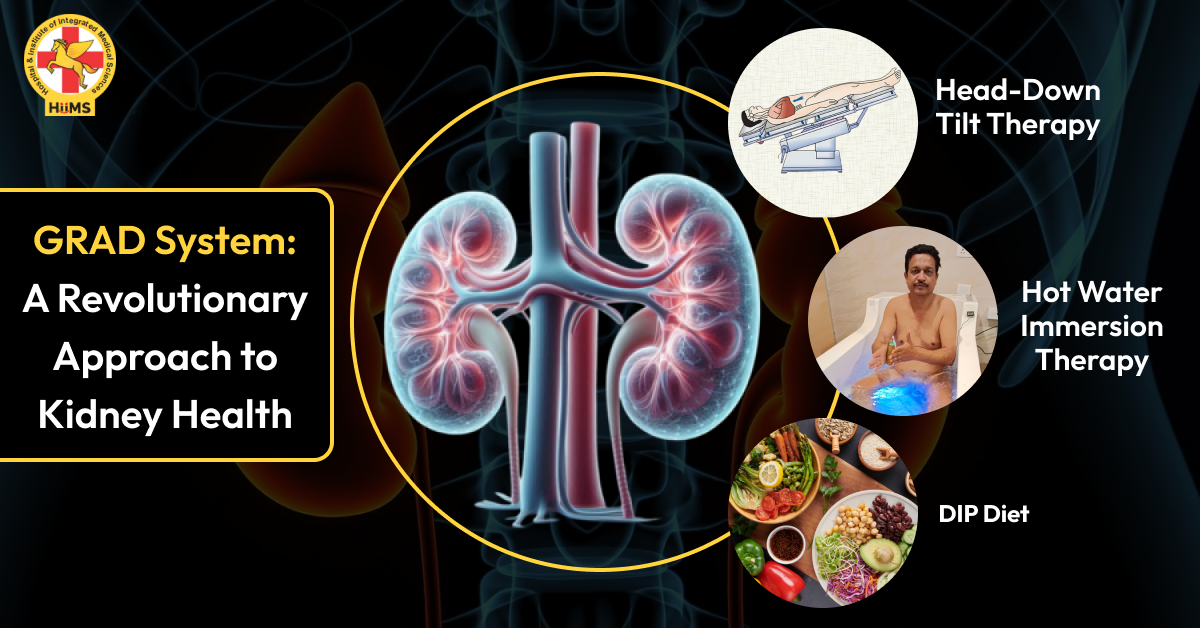
The hospital describes its GRAD system as combining hot water immersion, head-down tilt positioning, and dietary measures.
These techniques are presented as part of its wellness approach. However, there is insufficient high-quality clinical evidence to establish GRAD therapy as a treatment that reverses chronic kidney disease or restores lost kidney function.
People with kidney disease should consult their treating clinician before undergoing these procedures, particularly if they have fluid restrictions, high blood pressure, heart problems, or advanced kidney impairment.
Panchakarma and Traditional Therapies
Panchakarma comprises traditional Ayurvedic procedures used in certain care settings. Whether any procedure is appropriate depends on the patient’s overall health and kidney function.
Patients should discuss the potential benefits, risks, and evidence for a proposed therapy before starting treatment.
Herbal Support
Ayurvedic preparations may be discussed as part of an individual’s care plan. However, natural products are not automatically safe for people with kidney disease.
Some herbs and supplements can affect kidney function, alter potassium levels, or interact with prescription medicines. Always disclose all herbal products and supplements to your nephrologist or treating doctor.
Dietary Guidance
Diet is an important part of managing kidney disease. Depending on the patient’s condition, a clinician or renal dietitian may recommend adjustments to sodium, protein, potassium, phosphorus, and fluid intake.
A diet that works well for one patient may not be suitable for another. For example, some people with advanced kidney disease need to limit certain fruits and vegetables because of their potassium levels.
Avoid restrictive diets or claims about balancing body pH as a way to cure kidney disease. The body regulates blood pH through several systems, and dietary changes cannot independently reverse kidney failure.
Lifestyle and Stress Management
Appropriate physical activity, adequate sleep, stress management, and regular follow-up can support overall health.
Patients should follow an activity plan suited to their condition and seek medical advice before making major changes to their diet, exercise routine, or treatment.
4. Understanding Ayurvedic Kidney Care in Patna
Some patients explore Ayurveda because they want additional guidance on diet, daily routines, and general well-being while managing a chronic condition.
Ayurvedic care may include traditional dietary practices, lifestyle recommendations, and herbal preparations. However, scientific evidence supporting Ayurveda as a means of reversing chronic kidney disease remains limited.
A review of Boerhavia diffusa (Punarnava) discusses research into the plant’s potential medicinal properties. Such research does not establish that Punarnava or any herbal preparation can reliably reverse CKD or prevent dialysis in humans.
Before choosing Ayurvedic kidney treatment in Patna, patients should ask:
- What evidence supports the proposed treatment for my specific condition?
- Could it interact with my current medicines?
- Will my creatinine, eGFR, urine albumin, and other relevant markers be monitored?
- Who will coordinate my kidney care if my condition worsens?
- Will I continue all medically necessary treatments?
Patients already receiving dialysis should continue it according to their nephrologist’s instructions. Stopping dialysis or prescribed medication without medical supervision can be dangerous.
Book your appointment today to discuss your kidney health concerns with a healthcare professional and explore suitable care options tailored to your needs.
Take the First Step – Register Now
5. How to Choose a Kidney Care Doctor in Patna
Choosing a kidney care doctor involves more than comparing treatment approaches or hospital facilities. The most suitable healthcare professional should understand your condition, explain your options clearly, and monitor your progress.
Consider the following factors when evaluating a kidney care hospital in Patna:
- Relevant qualifications: Check the doctor’s credentials and experience with your specific condition.
- Accurate diagnosis: Ask whether the evaluation includes appropriate blood tests, urine tests, and imaging when needed.
- Individualised care: Treatment should reflect your kidney function, medical history, age, and other health conditions.
- Ongoing monitoring: Kidney function and medication safety should be reviewed regularly.
- Transparent communication: You should understand the expected benefits, limitations, costs, and potential risks of treatment.
- Coordination with specialist care: Patients with advanced CKD should have access to appropriate nephrology services and discussions about dialysis or transplantation when indicated.
Jeena Sikho HiiMS Patna offers traditional healthcare services and personalised consultations. Before proceeding, confirm which kidney investigations, medical specialists, and treatment services are available for your particular needs.
6. What to Expect During a Consultation at Jeena Sikho HiiMS Patna
A consultation is an opportunity to discuss your symptoms, medical history, test results, and treatment goals.
The hospital provides both inpatient and outpatient care. Patients can contact the facility to confirm the services available for their condition.
You can prepare for your appointment by bringing:
- Recent kidney function reports, including creatinine and eGFR.
- Urine test reports, including urine albumin results if available.
- Blood pressure and blood sugar records.
- A list of prescribed medicines, vitamins, and herbal supplements.
- Previous scans, hospital discharge summaries, or dialysis records, if applicable.
During the consultation, ask what stage of kidney disease you have, what may be causing it, which treatments are evidence-based for your condition, and how often your kidney function should be monitored.
If you are already receiving care from a nephrologist, share your existing treatment plan and discuss any proposed additional therapies with them before making changes.
Conclusion
Kidney disease can progress silently, making early detection, regular monitoring, and appropriate treatment especially important. Patients looking for a kidney care hospital in Patna should prioritise accurate diagnosis, clear communication, and a treatment plan that reflects their individual kidney function and overall health.
Jeena Sikho HiiMS Patna offers an integrated approach that includes traditional healthcare systems, dietary guidance, lifestyle support, and inpatient and outpatient services. Patients considering these options should understand the evidence and limitations of each therapy and ensure that essential medical treatment continues.

If you are concerned about your kidney health, arrange an appropriate medical assessment rather than waiting for symptoms to appear. Early evaluation can help identify potential problems and guide decisions about the most suitable care. Book your video consultation today to discuss your concerns with a healthcare professional and receive guidance on the next steps for your kidney health.
Frequently Asked Questions (FAQS)
1. Where can I find a kidney care hospital in Patna?
Jeena Sikho HiiMS Patna offers an integrated approach to kidney care, including traditional therapies and wellness services. Visit its official kidney disease page for details about available services and consultations.
2. What are the early signs of kidney disease?
Early kidney disease often has no noticeable symptoms. Possible signs in some patients include swelling in the feet or ankles, foamy urine, changes in urination, and fatigue. Blood and urine tests can identify kidney problems before obvious symptoms develop.
3. Which tests help diagnose kidney disease?
Common tests include serum creatinine, estimated glomerular filtration rate (eGFR), urine albumin-to-creatinine ratio (uACR), and urinalysis. Additional tests may be recommended based on the patient’s symptoms and medical history.
4. Can Ayurveda cure chronic kidney disease?
There is currently insufficient high-quality evidence that Ayurveda or herbal preparations can cure or reverse chronic kidney disease. Some traditional practices may be explored as complementary care, but their safety and suitability should be assessed by qualified healthcare professionals.
5. Can patients receiving dialysis consult Jeena Sikho HiiMS Patna?
Patients receiving dialysis can enquire about consultation and supportive services. However, dialysis must not be reduced, delayed, or stopped without the treating nephrologist’s direction.
6. Does Jeena Sikho HiiMS Patna provide inpatient and outpatient services?
The hospital offers both inpatient and outpatient services. Contact the facility to confirm availability and suitability for your specific kidney condition.
7. How can I book a kidney consultation in Patna?
Visit the official Jeena Sikho HiiMS Patna kidney disease page or call +91 87920-87920 or +91 81920-89920 to enquire about appointments and available services.