
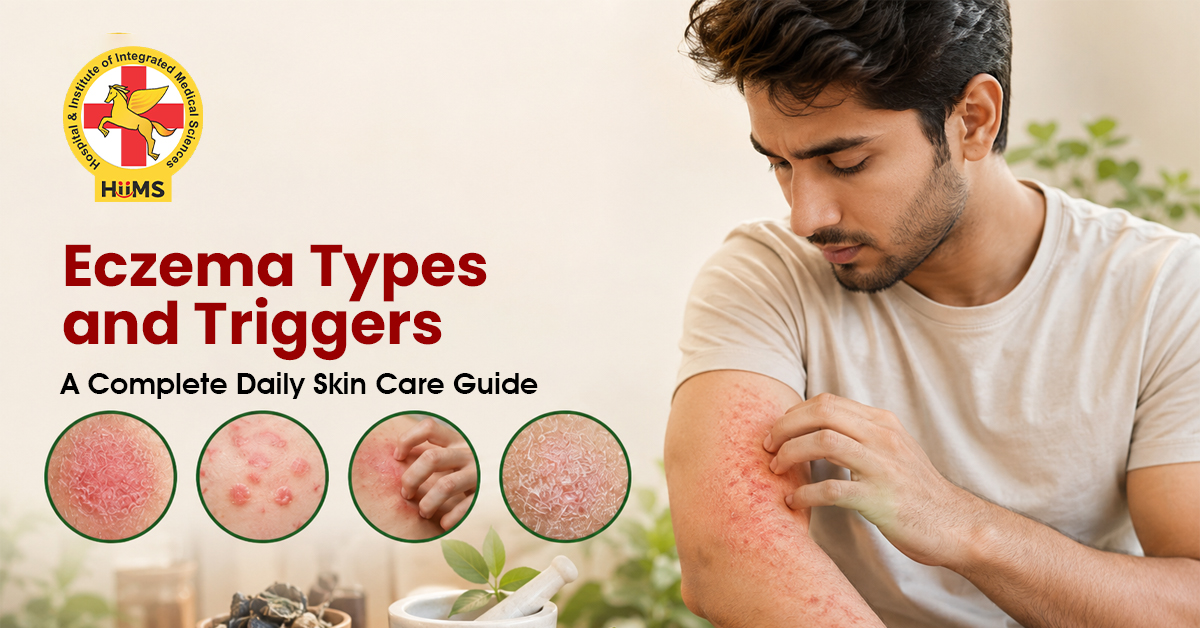
Dealing with red, itchy, peeling skin can be exhausting. Eczema is not simply very dry skin, it is a chronic condition that causes the skin’s protective barrier to break down and become inflamed. When the barrier becomes weak, moisture easily escapes and irritants enter causing constant discomfort.
Skin reacts differently for everyone. Different forms of skin irritation require different care strategies. Identifying which specific types of eczema you have and following a consistent daily care routine makes a huge difference in how quickly your skin heals.
What Is Eczema?
Eczema is a chronic skin condition that causes dry, red, bumpy and very itchy skin. It occurs when your skin’s natural protective barrier is broken. A healthy skin barrier helps to lock in moisture and protects you from dust, dirt and chemical irritants. When this barrier weakens, moisture escapes easily, making the skin dry, cracked and easily inflamed.
Common Triggers of Eczema
Knowing the primary causes of eczema allows you to protect your skin before irritation begins. Common triggers include:
Environmental & Weather Factors: Cold winter air, low humidity, excessive heat and heavy sweating can quickly dry out the skin and trigger severe itching.
Chemical irritants: Harsh body soaps, bubble baths, scented laundry detergents and alcohol based cleansers can strip away natural oils in the skin.
Physical and fabric triggers: Itchy wool, polyester and other synthetics, tight clothing and rough bath sponges irritate the skin through rubbing.
Allergens & Internal Drivers: Skin flare ups can often be triggered by hidden factors such as pet hair, dust mites, pollen, certain food sensitivities as well as high stress levels and hormonal changes.
Stress and Anxiety: High stress levels release hormones that increase inflammation throughout your entire body, making your skin far more sensitive.
Food Allergies: Eating certain foods like dairy, nuts, gluten, processed or spicy foods can trigger an immune reaction that shows up as skin irritation.
Hot Showers: Taking long, hot showers melts away the natural lipids your skin relies on to stay hydrated, leaving your barrier exposed and dry.
The Most Common Types of Eczema
Not all eczema looks or behaves the same way. Here are the seven main types of eczema:
Atopic Dermatitis
This is the most widespread form. It is closely linked to immune system sensitivity and genetics. It often starts in childhood and causes dry, itchy patches inside the elbows, behind the knees and on the cheeks.
Contact Dermatitis
This happens when your skin touches something it dislikes. It flares up as a red, burning rash right after coming into contact with strong chemical cleaners, synthetic perfumes, or certain metals like nickel.
Dyshidrotic Eczema
This type causes tiny, intensely itchy blisters along the edges of your fingers, palms, and the soles of your feet. It is often triggered by stress, sweat or prolonged moisture.
Seborrheic Dermatitis
This affects oily areas of the body, such as the scalp, face and chest. It causes stubborn dandruff, greasy scales, and mild redness.
Nummular Eczema
This appears as distinct, coin shaped patches of dry, irritated skin. It often develops after an insect bite, a small skin injury or severe winter dryness.
Neurodermatitis
This starts with a localised itch on a small patch of skin. Habitual scratching causes the skin in that area to become thick, leathery, and dark over time.
Daily Eczema Skin Care Routine
Building a simple, effective eczema skin care routine helps repair your skin barrier and keeps moisture locked in all day long.
Gentle Cleansing
Keep your showers short under 10 minutes and always use lukewarm water instead of hot water. Switch to fragrance free cleansers that clean your skin without stripping away its natural oils.
“Soak & Seal” Technique
After showering, pat your skin gently with a soft cotton towel. Leave the skin slightly damp. Within 3 minutes of drying off, apply a generous layer of moisturiser. This traps the surface moisture inside your skin before it can evaporate.
Barrier Repair & Protection
Skip thin, watery lotions because they contain high amounts of water that evaporate quickly. Instead, choose thick moisturising creams or ointments made with ingredients like ceramides, shea butter or petroleum jelly. Reapply your cream 2 to 3 times throughout the day.
Lifestyle Changes to Prevent Skin Irritation
- If you feel itchy, apply a clean, cool damp cloth to affected areas for 10 minutes to soothe burning without scratching.
- Wear loose, soft, breathable, cotton clothes. Avoid fabrics that are scratchy such as wool or synthetic materials that trap heat and sweat.
- During dry seasons use a cool mist humidifier in your bedroom to keep the air moist.
- High stress levels increase cortisol, a hormone that worsens skin inflammation. Practice deep breathing, spend time in nature and try to sleep early every night to keep your stress levels low.
Natural & Ayurvedic Eczema Treatment
All types of eczema stem from an internal imbalance of body energies that causes an accumulation of metabolic waste and toxins in the blood and skin tissues. Rather than relying on temporary creams that merely hide surface eczema symptoms, Jeena Sikho HiiMS provides natural eczema treatment that helps to detoxify the body from inside.
It uses Panchakarma detox therapies such as Virechana to cleanse the bloodstream and reduce inflammation. Combining with cooling herbs like Neem, Manjistha, Turmeric and Giloy helps to soothe redness and stop persistent itching across all types of eczema. Simple dietary changes are also essential for a healthy skin. Eating fresh fruits and leafy greens cools internal heat. While avoiding spicy, fried or sour foods prevents toxin buildup in the gut. This natural approach prevents internal heat buildup and stops recurring skin flare ups at the root.
Conclusion
Living with different types of eczema is a constant journey that requires patience, consistency and gentle care. You can protect your skin barrier and greatly reduce flare-ups by identifying your triggers, following a daily moisturising routine and making clean dietary choices.
If you want a personalised approach and root-cause healing you can take guidance from the experts at Jeena Sikho HiiMS. With their convenient VOPD (Video consultation) service you can get expert Ayurvedic consultation, customised diet plans and natural treatment guidance right from your home.

FAQs
Q: Is eczema contagious from person to person?
No, eczema is an internal skin barrier and immune issue, so you cannot catch or pass it to anyone else.
Q: What is the main difference between creams and lotions for eczema?
Creams are thicker with more oil content to lock in deep moisture, while thin lotions evaporate quickly and can dry out sensitive skin.
Q: Can stress really cause an eczema flare up?
Yes, stress releases inflammation boosting hormones that weaken your skin’s outer barrier and trigger sudden itching.
Q: Does eating a clean diet completely cure eczema?
While diet alone may not cure it entirely, cutting out spicy, fried or heavy foods significantly lowers body heat and reduces flare-up frequency.
Q: How does a VOPD consultation work at Jeena Sikho HiiMS?
VOPD lets you connect with expert Ayurvedic doctors online through a video call to get personalised diet plans and natural treatment advice from home.
Disclaimer: The information provided on this blog is for general educational and informational purposes only. It is not intended to replace professional medical advice, diagnosis, or treatment. Always consult a qualified healthcare professional before making any changes to your diet, lifestyle, or treatment plan. Individual results may vary.