
We often worry about things like work deadlines or electricity bills, completely forgetting about the hardworking pump inside our chest. Taking care of your ticker shouldn’t feel like a chore. The truth is that heart disease has become a massive health issue across the globe today. But the good news is that you can actively protect yourself by making simple, everyday lifestyle tweaks and catching early warnings before they cause severe damage.
Most cardiac issues don’t happen overnight out of nowhere. Your body sends subtle, quiet signals when your system is struggling. Let us look closely at how you can spot the earliest symptoms of heart disease so you can stay safe, active, and fully in control of your future wellness.
Key Warning Signs of Heart Disease to Watch For
You cannot fight a problem if you don’t know it’s there. Your body has its own unique ways of flagging an issue, so you need to keep an eye out for these vital red flags:
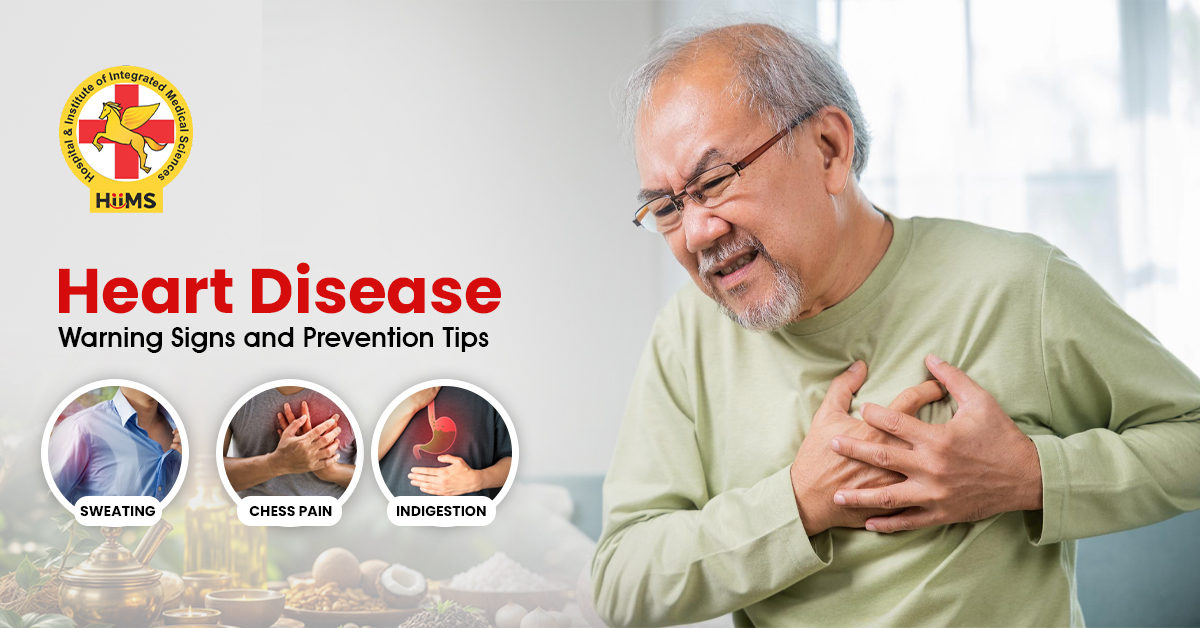
- Chest Discomfort: This is the most common sign to monitor. It often feels like a heavy constriction, an ongoing squeezing or acute pressure directly in the middle of your chest.
- Spreading Pain: Sometimes, the discomfort refuses to stay in one place. It can start spreading outward to your neck, jaw, back, or travel straight down either arm.
- Shortness of Breath: If you find yourself completely winded after climbing a few easy stairs, pay attention. Feeling out of breath during light physical activity or while resting is a major warning.
- Unusual Fatigue: We all get tired, but this is different. It is an overpowering, crushing tiredness that lingers even after receiving a full night of proper rest.
- Swelling (Edema): Your pump slows down, fluid starts to collect in your lower body. You may notice swelling in your legs, ankles, or feet that you can see.
- Heart Palpitations: This is the unsettling sensation of an irregular heartbeat. Your heart might feel like it is suddenly pounding, racing, or skipping a beat for no clear reason.
Actionable Tips to Prevent Heart Disease
The best way to handle a health issue is to stop it from starting in the first place. You don’t need a complicated medical plan to keep your cardiovascular channels clear. Making smart, consistent choices every single day is the real secret to staying out of the hospital.
Clean Up Your Daily Diet
Your kitchen is your primary shield against illness. Try to focus your meals on fresh fruits, green vegetables, whole grains, and clean proteins like fish. At the same time, keep a strict check on your total intake of trans fats, refined white sugars, and excessive salt. Cutting back on these harmful items keeps your blood pressure running at a safe, smooth level.
Move Your Body Every Day
Your heart is a muscle, and just like any other muscle, it needs regular exercise to stay strong. Try to aim for at least 30 minutes of moderate-intensity activity on most days of the week. You don’t have to crush heavy weights at a gym; a brisk morning walk, regular cycling, or swimming works beautifully to keep your blood circulation active.
Say a Strict No to Tobacco
Smoking is one of the fastest ways to destroy your blood vessels. The toxic chemicals in tobacco cause your arteries to stiffen and narrow rapidly, making it a massive contributor to heart disease. Do your absolute best to quit smoking completely, and stay far away from secondhand smoke as well.
Manage Your Mental Stress Levels
When you are constantly worried or anxious, your body releases a flood of stress hormones, such as cortisol. This chemical surge jacks up your heart rate and puts unnecessary mechanical strain on your arteries. Try using consistent stress-reduction techniques, such as regular yoga or simple deep-breathing exercises, to calm your nervous system.
Track Your Vitals Regularly
You cannot tell if you have high cholesterol or high blood sugar just by looking in the mirror. Make it a point to schedule routine medical check-ups with a doctor. Keeping a close watch on your numbers helps you catch small imbalances before they balloon into serious health issues later.
Spotting Hidden Symptoms of Heart Disease
The real danger is that many people live with poor circulation for months without realizing it. They mistake early symptoms of heart disease for basic office exhaustion or simple aging.
If you are feeling unexplainably wiped out or if your ankles look uncomfortably puffy at the end of the day, do not ignore it. Your body is trying to tell you something important. Taking action early gives your system the exact space it needs to recover before things go downhill.
Small Shifts for Long-Term Cardiovascular Wellness
Reclaiming your vitality shouldn’t feel like an impossible medical battle. True prevention is built on the tiny choices you make between sunrise and sunset.
- Start by replacing a packet of salty snacks with a fresh apple today.
- Step away from your computer screen every hour to take five deep, calming breaths.
- Go for a short, easy stroll after your dinner.
- Your body has an incredible power to heal and protect itself when you stop overloading it with pressure, tobacco, and processed foods.
Conclusion
Protecting your cardiac health does not require radical, confusing life overhauls. Watch for the early warning signals and develop some simple behaviours to help you reduce your risks and live a long, healthy life. If you’re doing everything properly and still worried about your cardiovascular results, it’s a good idea to get professional guidance.
You can book a VOPD appointment with Jeena Sikho HiiMS specialists for personalised wellness advice.

FAQs
- What are the most common warning signs of heart disease?
A key red flag is chest discomfort, like pressure or squeezing in the center of your chest.
- How important are lifestyle practices for the prevention of chronic heart disease?
To keep your arteries free and blood pressure stable, eat fresh meals, exercise everyday and manage stress.
- What are the main signs of heart disease associated with breathing?
If you get breathless with light exertion, or even at rest, that is a big red flag.
- Why can tobacco smoking cause heart disease?
Tobacco smoke contains hazardous substances that immediately damage and harden your fragile blood vessels.
- What are the dangers to my heart from mental anxiety or severe stress?
Stress is an ongoing production of cortisol which raises your heart rate and causes stress on your blood vessels.