
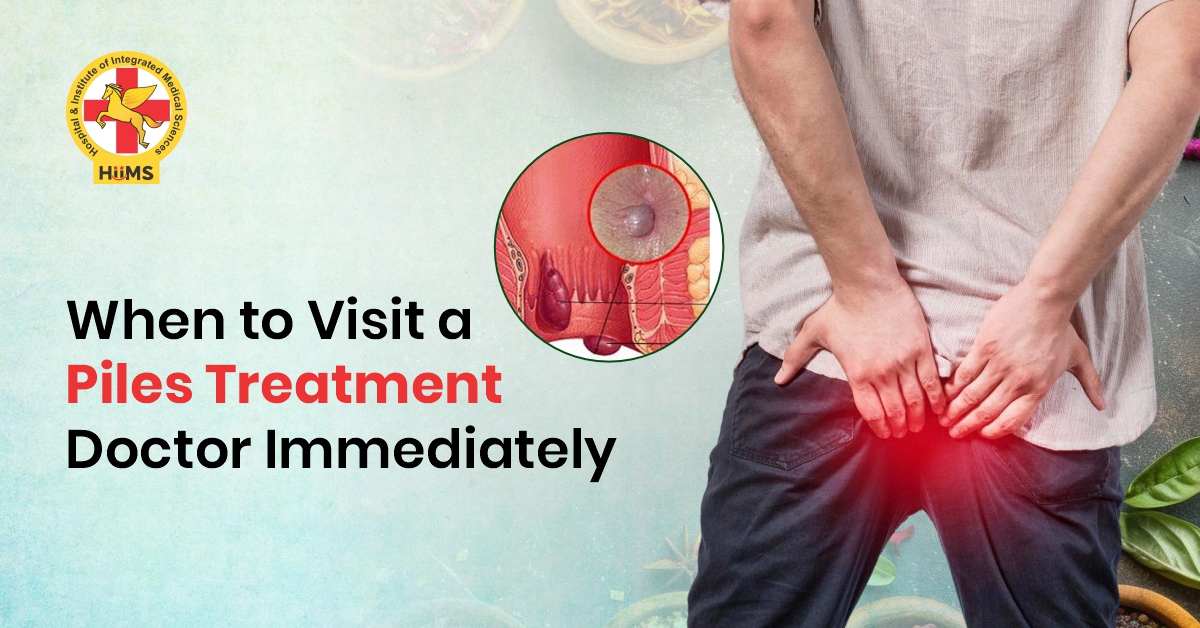
Piles, or hemorrhoids as they are known in medical language, are a common issue faced by people. The condition usually develops when veins in the rectal area become swollen due to pressure, constipation, or unhealthy bowel habits. In the early stage, the problem may appear mild. A person may notice discomfort while sitting, mild itching, or slight pain during bowel movements. Because these signs feel manageable, many people delay seeking medical help.
However, ignoring the condition for too long can sometimes make the situation worse. When piles progress, symptoms such as bleeding, swelling, and intense pain may start appearing more frequently. In such situations, timely piles treatment becomes important. If medical advice is taken at the right time, complications can usually be prevented and treatment can begin before the condition becomes serious.
Warning Signs That Mean You Should Visit a Doctor
Certain symptoms indicate that the condition may be getting worse and medical attention should not be delayed. When these signs appear, it is better to consult a specialist for piles treatment.
- Bleeding during bowel movements
Bright red blood during or after passing stool may indicate irritation or damage to swollen veins. Frequent bleeding should always be checked by a doctor. - Severe pain in the anal region
If pain continues, especially during bowel movements or while sitting, it may be a sign of swollen or thrombosed piles. - Prolapsed piles
In some cases, the swollen tissue may come out of the anal opening. If it does not go back inside easily, medical care is needed. - Continuous itching or irritation
Ongoing irritation in the anal area may signal inflammation or infection. - Difficulty passing stool
When a person feels discomfort while passing stool, it may begin to interfere with daily life and health.
These symptoms should not be ignored. Early consultation with the best doctor for piles can prevent further complications.
Common Causes Behind Piles
Piles usually develop due to pressure in the rectal veins or unhealthy bowel habits. Several lifestyle factors may contribute to the condition.
- Chronic constipation
Straining during bowel movements increases pressure on rectal veins. - Low fibre diet
Lack of fruits, vegetables, and whole grains can make stools harder and difficult to pass. - Prolonged sitting
If someone sits for long durations during the day, the lower rectal area may experience added pressure. - Obesity
Excess body weight increases pressure on pelvic veins. - Pregnancy
When hormonal changes occur and pressure builds in the abdomen, piles may develop in some cases.
Understanding these causes helps people make better lifestyle choices and reduce the chances of the problem getting worse.
Ayurvedic Options for Piles Treatment Without Surgery
Ayurveda focuses on correcting digestion, reducing inflammation, and strengthening the body naturally. Many people prefer piles treatment without surgery because it is gentle and supports long-term healing.
One well-known approach is Kshar Sutra therapy, an Ayurvedic method used to manage pile masses. In this treatment, a specially prepared medicated thread is applied to the affected tissue. Over time, the thread helps shrink the swollen mass gradually. Many patients prefer Kshar Sutra therapy because the recovery process is usually smooth and controlled.
Other supportive therapies may also be recommended. Basti therapy, which uses medicated oils or herbal decoctions through enema, helps lubricate the colon and relieve constipation. Ayurveda frequently relies on herbs like Triphala and Haritaki to improve digestion and help reduce swelling and bleeding naturally.
Simple Lifestyle Habits That Help Prevent Piles
Healthy daily habits play a big role in preventing piles and reducing discomfort. Small changes in diet and routine often make a noticeable difference.
- Eat fruits like apples, pears, bananas, and berries to improve fibre intake.
- Include vegetables such as spinach, broccoli, and carrots in daily meals.
- Choose whole grains instead of refined foods.
- Drink warm water regularly during the day.
- Avoid excessive fried, spicy, or processed foods.
Maintaining a routine for bowel movements is useful. Eating at set times, moving around during the day, and not sitting too long can support digestion.
Conclusion
Piles may begin with mild discomfort, but ignoring the condition for a long time can lead to serious complications. Symptoms like bleeding, severe pain, persistent itching, or prolapsed tissue should never be neglected. Proper piles treatment can be started when a specialist is consulted in time, preventing further complications.
Ayurvedic care offers several supportive methods, including piles treatment without surgery and traditional procedures such as Kshar Sutra therapy. These approaches focus on improving digestion, reducing swelling, and supporting natural healing. At Jeena Sikho HiiMS, doctors help patients with herbal treatments, simple lifestyle changes, and procedures that work on the root cause. If you notice persistent symptoms or discomfort, it is better to seek medical advice early. Visit Jeena Sikho HiiMS today and consult an experienced doctor to receive the right care and start your journey toward better digestive health.

FAQs
- When should I see a doctor for piles?
When bleeding, severe pain, or swelling continues, it is best to consult a doctor immediately. - Can piles be treated without surgery?
Ayurvedic methods provide safe ways for piles treatment without surgery, supported by lifestyle changes. - What is Kshar Sutra therapy?
Kshar Sutra therapy is an Ayurvedic method where a medicated thread helps shrink pile masses gradually. - What foods help prevent piles?
Fruits, vegetables, and whole grains with fibre help your digestive system function properly. - How can I reduce the risk of piles?
Regular workouts, proper hydration, and managing constipation support piles prevention.
