
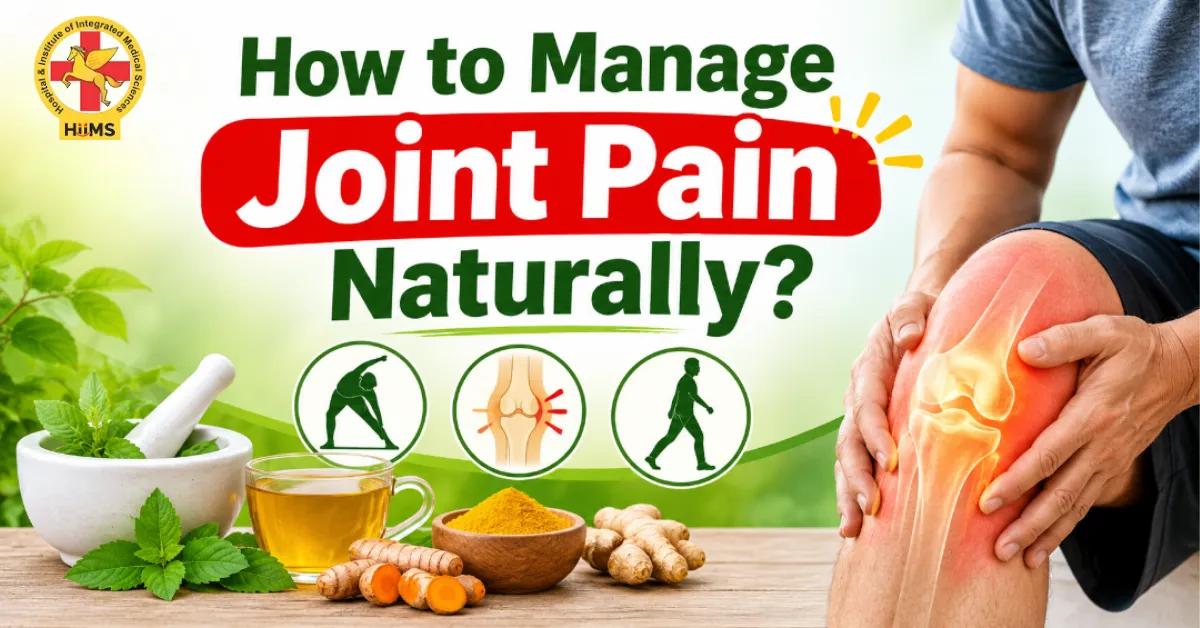

Pain in joints is one condition that may affect anyone regardless of age. This pain may affect the knees, hips, shoulders, neck, wrist, finger joints and any other part of the body. At times, the pain arises due to an injury, while at other times it may arise due to other conditions like osteoarthritis, rheumatoid arthritis or gout.
Joint pains may make even simple tasks difficult for a person. Some of the activities that may cause the patient difficulties are walking, climbing stairs, sitting for long hours and arising from the sitting position, among others. While medication may help some people, there are certain changes in lifestyle that may assist in managing the condition.
If you are looking for natural ways to manage joint discomfort, focus on a balanced diet, gentle physical activity, healthy body weight and proper daily habits. The right approach to joint pain management depends on the cause of pain, the affected joint and your overall health.
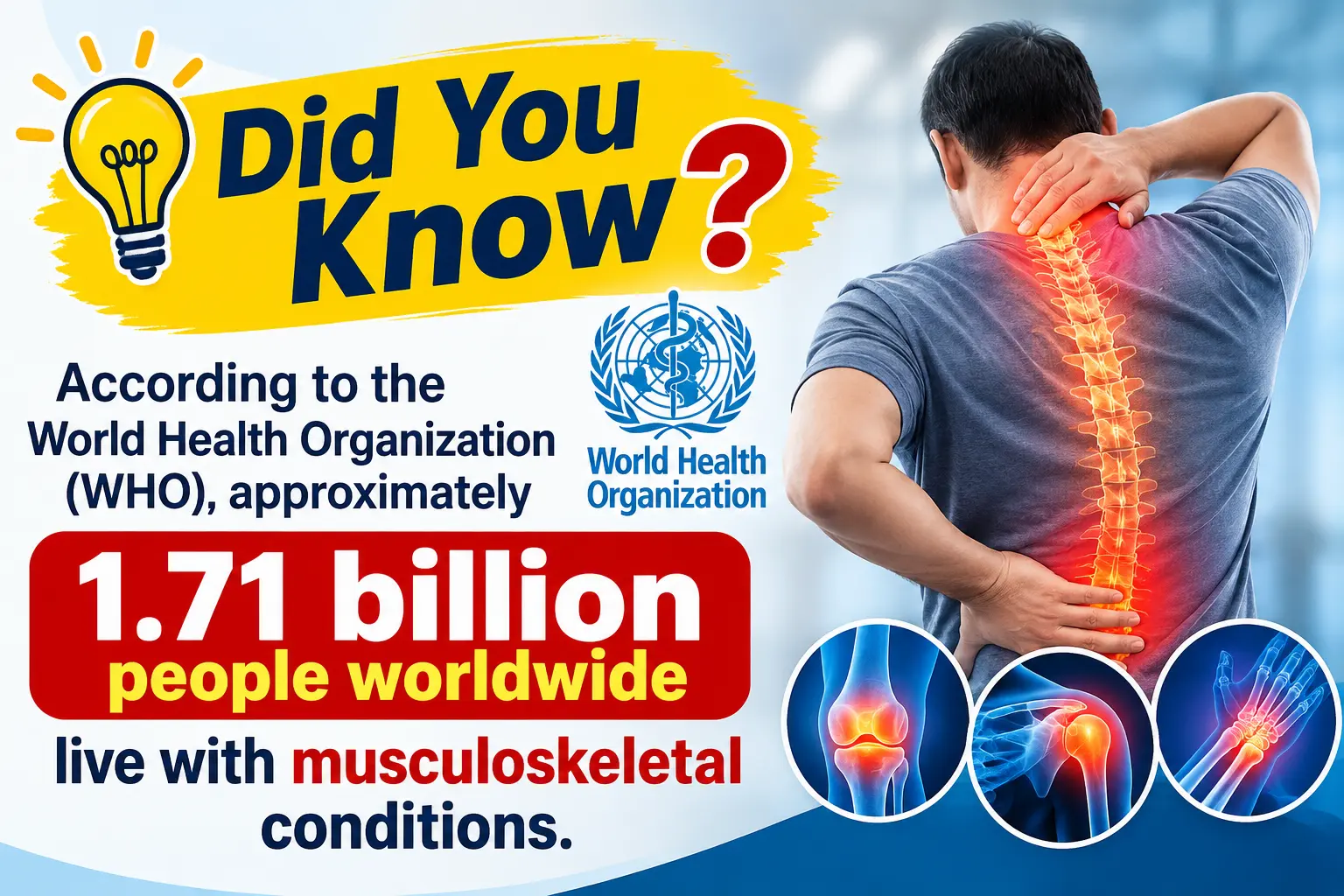
Did You Know?
According to the World Health Organization (WHO), approximately 1.71 billion people worldwide live with musculoskeletal conditions. These conditions affect the muscles, bones and joints and can make everyday movement difficult.
Joint pain is not always a result of ageing. Previous injuries, repetitive movements, excess body weight and certain medical conditions can also contribute to joint discomfort. The WHO information on osteoarthritis explains how these factors may affect joint health.
What Causes Joint Pain?
The reasons for joint pains may include:
- Osteoarthritis: This is a joint disease that is characterised by change in the tissue found within the joint, which leads to joint pain and stiffness.
- Rheumatoid arthritis: This is an autoimmune condition that leads to joint pain, swelling, and stiffness.
- Gout: Gout is yet another type of arthritis that is caused by the presence of crystals of uric acid in the joints.
- Injury: This can cause joint pain following any form of injury, like a sprain, strain, fall, or an injury during playing sport.
- Obesity issues: This will add extra pressure to the joints, especially the knees and hips.
- Mobility issues: Sitting in one position for a prolonged time without exercising will cause stiffness.
How to Manage Joint Pain Naturally?
Joint pain management is an effective technique that involves proper diet, exercise, and adopting a healthy lifestyle. Below are some of the ways that could help improve the health of joints. In case you are in need of natural means to joint pain relief, it could be through a healthy lifestyle change.
1. Follow a Balanced and Nutritious Diet
Food intake is very essential for the health and wellbeing in daily life. A balanced diet helps in giving all the nutrition required for bones, muscles and body functioning.
- Incorporate seasonal fruits and vegetables in food intake: Seasonal fruits and vegetables help in providing various vitamins, minerals, fibre and other nutritional components in food intake.
- Include healthy fats: Include healthy fat-containing foods such as the walnuts, flaxseeds, chia seeds and others which can be incorporated into a balanced diet.
- Use spices regularly in food: Turmeric and ginger are widely used in Indian cooking. It can be included in food intake regularly as part of varied food intake. But using these spices cannot be taken as treatment for joint problems.
- Include foods containing calcium: Foods such as milk, curd, paneer, ragi and other suitable foods should be taken as they can meet calcium requirements.
- Stay hydrated: Drink appropriate amounts of water based on your requirements.
Try to limit the frequent consumption of highly processed foods, sugary drinks and the deep-fried snacks.
2. Stay Active with Gentle Exercises
Not moving at all due to joint pain may result in stiffness and weak muscles. Appropriate physical activity will help you stay mobile and develop your muscles. Some joint exercises include:
- Walking: Start with an appropriate time period and work your way up to more and more time
- Swimming: Aquatic exercises might allow you to move freely without added stress on your joints.
- Cycling: Cycling with appropriate effort might keep you mobile depending upon the state of your joints.
- Yoga: Simple stretching exercises along with yoga might be helpful.
- Resistance Training: Some light resistance training might be helpful for strengthening your muscles around the joints.
Avoid exercises that intensify your joint pain. If you suffer from some joint disease, consult a physiotherapist or medical specialist about the exercises that are suitable for you.
3. Maintain a Healthy Body Weight
Too much weight can exert the additional stress on your load-bearing joints, including the knees and hips. This will lead to joint pain whenever you walk, stand, or climb up steps.
If you are carrying too much weight, it might be advisable to manage your weight gradually by adopting proper diet and exercise plans. Refrain from adopting any fad dieting plans or rapid weight loss techniques.
4. Try Warm and Cold Compresses
The application of heat and cold packs is a convenient form of treatment that is easily accessible and quite effective.
- Heat pack: It is when you use a heating pad or a heated cloth to help alleviate your muscle spasms. The use of heat packs can be very effective when there is stiffness of a joint.
- Cold pack: Cold pack can be applied to help reduce swelling and discomfort following any minor strain. Do not put the ice pack or the heating pad on the skin without a towel in between.
5. Include Healthy Habits in Your Daily Routine
Small changes in your daily routine can make it easier to manage joint discomfort.
- Avoid sitting for too long: Take short movement breaks if your work involves long hours of sitting.
- Maintain good posture: Pay attention to your posture while working, walking and using your phone.
- Wear comfortable footwear: Choose shoes that provide suitable support and comfort.
- Get adequate sleep: Maintain a regular sleep schedule to support general health and recovery.
- Avoid overusing painful joints: Take breaks during activities that involve repeated movements or strain.
Consistency matters more than making several changes at once.
Ayurvedic Therapies for Joint Wellness
The pain in joints, according to Ayurveda, is usually related to Vata Dosha. The joint pain management at Jeena Sikho HiiMS Meerut will be based on the needs of the person in terms of his/her health, lifestyle, and diet. Such treatment may include the application of Ayurveda treatment, naturopathy, a good diet, and a right lifestyle. Some of the therapies include:
- Janu Basti: Retention of warm medicated oil over the knee joints using a dough ring. It is used traditionally as an external application in case of knee pain and stiffness.
- Kati Basti: Retention of warm oil over the lower back region. It is used traditionally in cases of lower back pain and stiffness.
- Greeva Basti: Retention of warm oil over the neck area is used traditionally to treat neck stiffness and pain.
- Patra Potli Swedana: Application of the warm poultice containing herbs to some specific body regions is done as part of Ayurveda external care.
The objective is to guide people suffering from joint pain in a personalised manner. It also promotes healthy practices in daily life.
If you need a joint pain specialist, consider consulting the healthcare specialists at Jeena Sikho HiiMS.
When Should You Consult a Joint Pain Doctor?
Pain sometimes can go away with proper rest and care, but not always. In any case, persistent or severe joint pain shouldn’t be ignored. You should see a joint pain doctor in cases of:
- Persistent or repetitive joint pain for several days in a row.
- Swelling or stiffness in your joint area, or restricted movement of the joint.
- Joint pain preventing you from walking or performing the regular activities.
- Recurrent joint pain attacks.
- Known medical conditions like arthritis or gout that are progressing.
See a doctor immediately if your joint becomes acutely painful and swollen and warm and/or you develop a fever along with joint pain. If you’ve got joint pain following an injury and can’t use the joint, seek professional help right away.
Conclusion
Management of joint pain involves patience and knowledge about the reason behind the pain along with persistence. Healthy eating habits, moderate exercise, proper body weight, and healthy daily habits may help with the health of joints. Natural treatment and Ayurvedic treatment may be used as an alternative to treatment, according to experts, in case of necessity. However, these should never substitute the required medical treatment. If joint pain is troubling you in your daily life, then visit a joint pain specialist.
For personalised guidance, visit the healthcare specialists of Jeena Sikho HiiMS at VOPD.

FAQs
1. What is the most effective natural treatment for joint pain?
Proper diet, exercises, correct weight and right habits are key elements of healthy joints. Everything will depend on the reason of your suffering.
2. What are the food products contributing to joint health?
Your diet should consist of fruits, vegetables, cereals, nuts, seeds and dairy products such as curd and milk. Turmeric and ginger can also be used.
3. Is it good to take a walk when you have joint pain?
Taking walks regularly helps in maintaining the movement of the joints and also builds the muscles that protect your joints. You can try to take the slow walks at your own pace. If you feel an increase in the pain, then you should see a doctor.
4. When should I consult a joint pain specialist?
Consult a specialist if you have continuous pain, recurring pain accompanied by swelling, stiffness or immobility. In case of sudden pain, redness, heat or fever, see a specialist immediately.
5. Are the treatments provided by Ayurveda useful for joint pain?
There are many Ayurvedic treatments which are traditionally used for treating joint and muscular pains. For instance, there are such treatments as Janu Basti, Kati Basti and Patra Potli Swedana.