
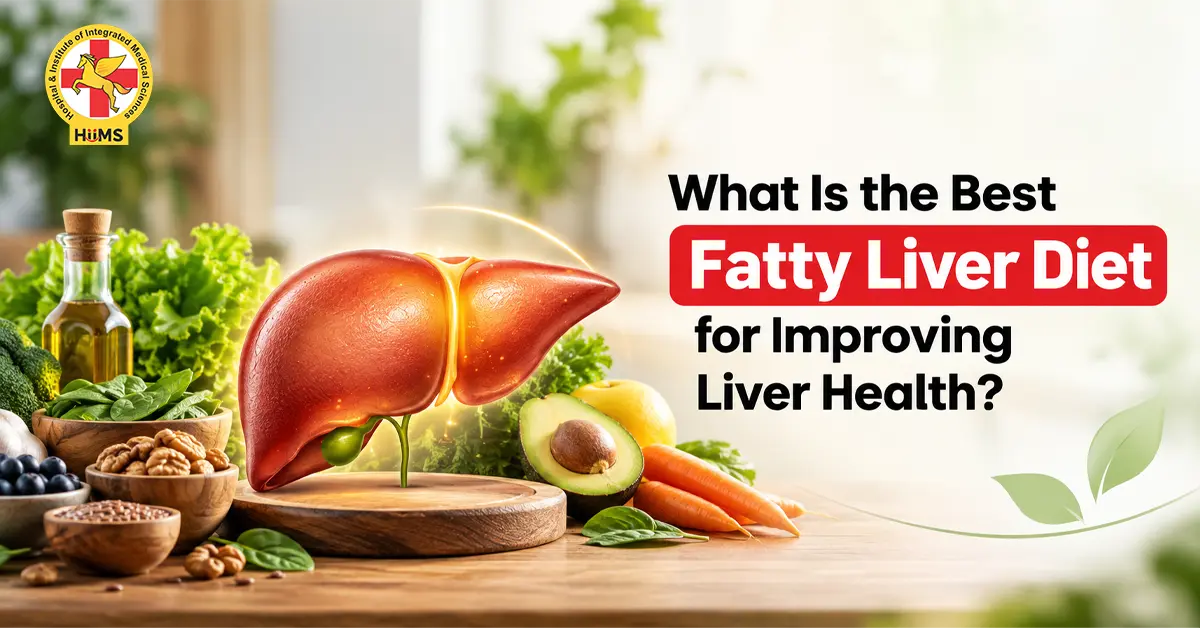
Fatty liver is becoming a fairly common concern these days, often linked to irregular eating habits, excess weight, low physical activity and too much sugar or oily food. In many cases, a person may not notice any clear sign in the beginning, which is exactly why everyday food choices matter so much. The liver performs many important functions in the body, so taking care of it through a balanced routine becomes important. A simple and nourishing fatty liver diet can include fresh fruits, vegetables, whole grains, pulses, sprouts and other light food.
At Jeena Sikho HiiMS Meerut, diet and daily habits are considered an important part of a natural approach towards better liver health. Instead of following a very strict food plan, it is better to develop eating habits that can be followed regularly. This blog explains which foods may be included, which foods are better limited, and how a simple seven-day meal plan can make healthy eating easier.
Why Does Diet Matter for Fatty Liver?
The liver processes the nutrients from the food we eat and plays a major role in digestion. When extra fat collects in the liver, daily food habits become a big part of care. A balanced diet, suitable portions, regular movement and slow weight management can support better liver health. Studies also suggest cutting down on extra sugar, saturated fat, and refined foods that add too many calories to the day. A liver doctor may also ask you to watch your portion size and make steady changes in your routine instead of depending on sudden or very strict diets.
What to Keep in Mind While Choosing Food?
Before starting a meal plan, a few basic habits can make daily eating easier.
- Prefer fresh and home-cooked meals
- Include vegetables and whole fruits regularly
- Choose whole grains and pulses more often
- Reduce fried and heavily processed foods
- Limit sweets, sugary drinks and packaged juices
- Keep portion sizes sensible
- Drink enough water during the day
- Keep dinner light and avoid late night eating
Foods rich in fibre, such as vegetables, fruits, pulses, and whole grains, are useful choices. Whole fruits are better than fruit juices because they give fibre and are less concentrated in natural sugar.
A Simple 7-Day Fatty Liver Diet Plan for Better Liver Health
A simple seven-day meal plan can make it easier to understand what to include in your daily meals. The plan below uses fresh, light, and home-style foods that can be adjusted according to individual needs.
| Day | Early Morning | Breakfast | Mid Morning | Lunch | Evening | Dinner |
| Day 1 | Coriander or amla based water | Seasonal fruits and salad, followed by a light moong based dish | Sprouts | Seasonal fruits and salad, followed by jowar roti, dal and vegetables | Herbal tea and light snack | Salad, followed by vegetable soup and light khichdi |
| Day 2 | Warm herbal water | Seasonal fruits and salad, followed by a millet based breakfast | Sprouts | Seasonal fruits and salad, followed by khichdi, dal and vegetables | Herbal tea and light snack | Salad, followed by roti and vegetable |
| Day 3 | Warm herbal water | Seasonal fruits and salad, followed by light poha | Coconut water | Seasonal fruits and salad, followed by khichdi and dal | Herbal tea | Salad, followed by dalia and soup |
| Day 4 | Methi based water | Seasonal fruits and salad, followed by besan chilla | Sprouts | Seasonal fruits and salad, followed by roti, dal and vegetables | Herbal tea with roasted snack | Salad, followed by khichdi and soup |
| Day 5 | Seed based water | Seasonal fruits and salad, followed by light idli | Soaked nuts | Seasonal fruits and salad, followed by khichdi, dal and vegetables | Herbal tea | Salad, followed by khichdi and soup |
| Day 6 | Saunf water | Seasonal fruits and salad, followed by grain based chilla | Sprouts | Seasonal fruits and salad, followed by roti and mixed vegetables | Light snack | Salad, followed by khichdi and dal |
| Day 7 | Dhaniya based water | Seasonal fruits and salad, followed by a sprouts based meal | Nuts | Seasonal fruits and salad, followed by khichdi and dal | Herbal tea | Salad, followed by light soup and khichdi |
This meal plan is meant to give you a simple starting point. The quantity, timing, and combination of foods can be adjusted to suit your digestion, lifestyle, and individual health needs.
Which Foods Should You Limit?
Some foods make it harder to keep a balanced diet, especially when eaten often or in large portions.
- Deep fried foods
- Sweets, desserts, and soft drinks
- Packaged snacks and highly processed foods
- Foods high in saturated fat
- Large portions of refined flour items
- Alcohol
Alcohol is best avoided, and most people hear the same advice from a liver doctor. Cutting down added sugar is equally important, and choosing more whole foods over packed ones helps a lot.
How Ayurveda Supports Better Liver Habits?
Ayurveda looks at food and lifestyle as key parts of keeping balance in the body. It pays attention to digestion, food quality, daily routine, sleep, activity, and the needs of each person. This view can help a person move away from heavy and irregular eating and build simpler habits. Bitter vegetables like karela and green leafy vegetables are often part of traditional food practice, though no single food should be treated as a cure on its own.
At Jeena Sikho HiiMS Meerut, dietary guidance is joined with lifestyle practices and an Ayurveda based approach, as per the needs of each person. This natural way of liver disease treatment looks at the routine of the person and helps them follow practical changes that can be kept for a long time. Slow weight loss is also better than quick weight loss, since sudden loss and poor nutrition can bring other problems.
When Should You Seek Professional Guidance?
Food changes are useful, but they should not become a reason to ignore ongoing symptoms or abnormal liver reports. If a person keeps feeling unusual tiredness, stomach discomfort, or other worrying changes, meeting the liver specialist can make things clear.
An expert can also say whether extra tests or liver disease treatment are needed along with changes in food and lifestyle. This matters more when a person already has another health problem or has been told that the liver is badly damaged.

Small Lifestyle Changes That Matter
Food works best when it becomes part of a regular routine. Along with a balanced meal plan, try to:
- Walk or stay active for around 30 minutes each day
- Avoid sitting for long hours
- Reduce extra sugar in tea and other drinks
- Eat meals at fairly regular times
- Avoid frequent late night meals
- Sleep well and keep a regular sleep routine
- Practise simple breathing or relaxation exercises
Regular activity can support weight management and may help the liver even when weight loss is not the main aim. All these habits work along with your fatty liver diet and bring change step by step.
Conclusion
A healthy fatty liver diet is less about strict rules and more about fresh food, sensible portions, regular meals, and better daily habits. Fruits, vegetables, whole grains, pulses, sprouts, and the light homemade meals can form the base of a balanced routine.
At Jeena Sikho HiiMS Meerut, an Ayurveda based approach gives importance to food, lifestyle, digestion, and the needs of each person. If you want personal guidance, a VOPD consultation can help you understand your condition and the right way of eating with our experts. Start small and stay regular.

FAQs
1. What should I eat with fatty liver?
Choose more vegetables, whole fruits, pulses, whole grains, sprouts, and simple homemade meals.
2. Can I eat fruits if I have fatty liver?
Yes. Whole fruits can be included in suitable portions. They are better than juices because they contain fibre.
3. Should fried food be avoided?
It is better to limit fried and heavily processed foods and choose lighter ways of cooking.
4. Can diet alone support liver health?
Diet is an important part of healthy living, but activity, weight management, sleep, and personal guidance also matter.
5. When should I consult a liver specialist?
Seek guidance when symptoms continue, liver reports are abnormal, or you have been told your liver needs more attention.