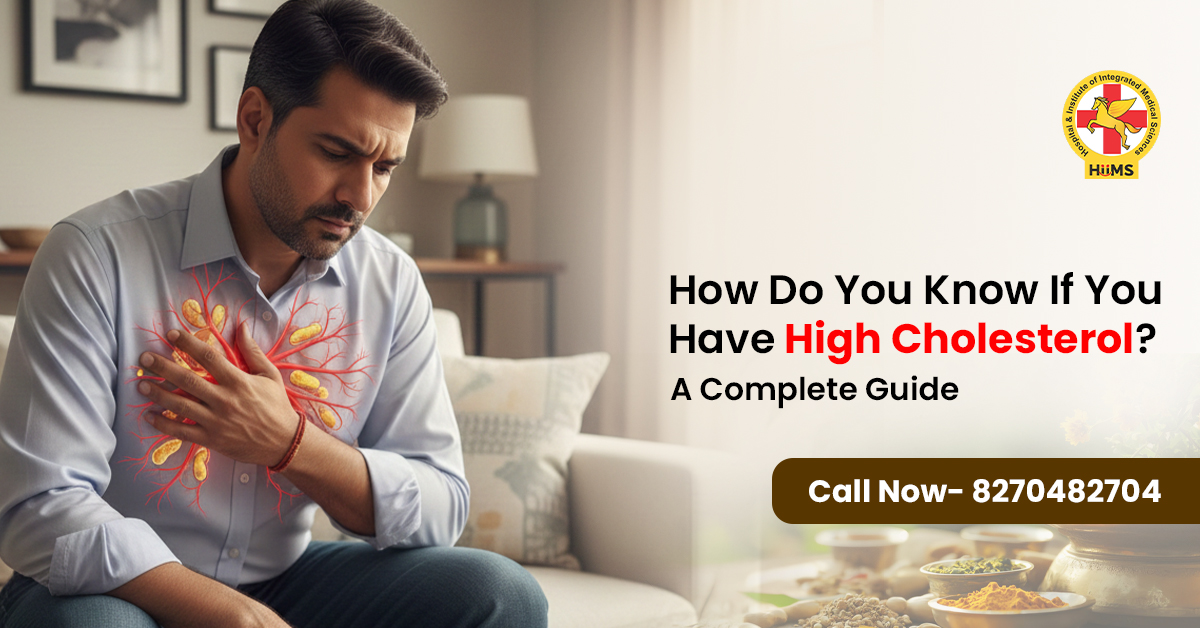

Most people judge their health by how their day feels, from how energy holds up through work to how sleep restores them and whether small tasks finish without any problems. Because daily life often runs smoothly, internal shifts can go unnoticed for weeks or months. Lipid changes usually start as small differences in how the body handles food and energy, and these differences show up as repeating little signals rather than any sudden collapse. When someone feels somewhat more tired after a routine task, a little breathlessness on a short walk, or a mild heaviness that eases with rest, these are hints that are worth watching.
This blog explains high cholesterol symptoms in very simple language, points out the early physical signs that commonly recur, and suggests sensible steps to confirm and address the issue.
Understanding Cholesterol in Simple Words
Cholesterol is a waxy, necessary substance the body uses to build cells and make certain hormones. Most of it the body produces, and a smaller portion comes from food. The concern begins when the balance between helpful and harmful types shifts over time.
Low-density lipoprotein, often linked with bad cholesterol symptoms, can stick to artery walls, while high-density lipoprotein particles help clear excess fat. As the balance tips, vessels become less flexible and blood moves with more resistance.
These changes are gradual and usually give small, repeating signals before they become stronger, so noticing early cholesterol symptoms helps you act with calm and clarity.
Early High Cholesterol Symptoms You Should Notice
Small repeating signals are more important than any single occurrence. Like:
- A common report is unusual tiredness during routine tasks, when recovery after rest feels slower than before.
- Mild breathlessness on short walks or while climbing stairs is another frequent note, and it often appears before more obvious trouble.
- People may feel a steady heaviness in the chest during exertion rather than sharp pain, and that heaviness should not be ignored.
- Numbness, coldness, or tingling in the hands and feet may signal reduced peripheral flow.
- Light-headed episodes or a persistent sense of head pressure sometimes reflect circulatory change.
- In some people, small yellowish patches near the eyelids or tiny fatty deposits on the skin become visible and deserve evaluation.
Why Bad Cholesterol Symptoms Develop Over Time
The physiological picture is very easy to understand, so basically bad cholesterol symptoms arise as LDL layers form inside the artery lining and narrow the passage for blood. As blood flow narrows, the heart works harder and pressure slowly rises.
This gradual strain reduces exercise tolerance and makes ordinary tasks feel more challenging. Ignoring repeated cholesterol symptoms allows the process to continue unchecked and raises long-term cardiovascular risk.
Common Lifestyle Patterns That Trigger Cholesterol Symptoms
- Regularly eating fried and heavily processed food burdens fat metabolism.
- Long periods of sitting reduce circulation and cut opportunities to burn excess lipids.
- Skipping regular meals, rushing food, poor sleep and ongoing stress all interfere with the body’s metabolic rhythm.
- Family history and age-related slowing of metabolism add to the risk, so awareness and small, consistent changes are the best prevention.
How Do You Confirm If You Have High Cholesterol?
Physical signs guide attention, but confirmation comes from a lipid profile blood test. The report clarifies levels of LDL, HDL and total cholesterol and links any repeating complaints to measurable values.
Relying only on how you feel can be misleading, so testing when symptoms of high cholesterol appear or when risk factors exist gives a clear direction.
When Should You Consult a Doctor?
Seek professional review when tiredness, breathlessness, chest heaviness, or visible skin changes keep recurring. If you have diabetes, thyroid issues, or a family history of raised lipids, ask for screening earlier.
A doctor will pair your symptoms with tests and design a practical plan focused on gradual improvement.
Conclusion
Everyday enjoyment may cover small shifts, but repeated signals deserve timely and monitored attention rather than delay. Note recurring tiredness, breathlessness or a gentle chest heaviness and seek testing that links symptoms with results.
Early response to high cholesterol symptoms keeps interventions simple and makes continuous correction likely. A care plan that includes diet, exercise and sleep adjustments addresses many cholesterol symptoms without forcing sudden changes. When necessary, monitored supportive measures target bad cholesterol symptoms while keeping overall health the priority. Timely action builds confidence today.
If these symptoms or patterns persist, you can consult an expert doctor of Jeena Sikho HiiMS Lucknow for a personalised plan, completely natural without any chemical-based treatment. Call today +91 82704-82704 or email care@jeenasikho.com.

FAQs
1. What should I watch for as first signs of raised cholesterol?
Look for repeated tiredness, mild breathlessness during normal activity, or a steady chest heaviness that eases with rest.
2. Can small diet changes help reduce early cholesterol issues?
Simple changes such as eating more fiber, lesser fried foods, and proper meal timing generally reduce the load on metabolism over weeks.
3. When is a lipid profile recommended?
Ask for a lipid profile if you notice repeating symptoms or if you have risk factors like diabetes, thyroid issues, or family history.
4. Do visible patches on skin always mean cholesterol trouble?
Certain small yellowish or fatty deposits can indicate lipid handling changes and should be checked alongside blood tests.
5. How quickly do lifestyle changes show improvement?
Steady routine adjustments typically show measurable benefit within weeks to months, and a doctor can track progress with repeat tests.