

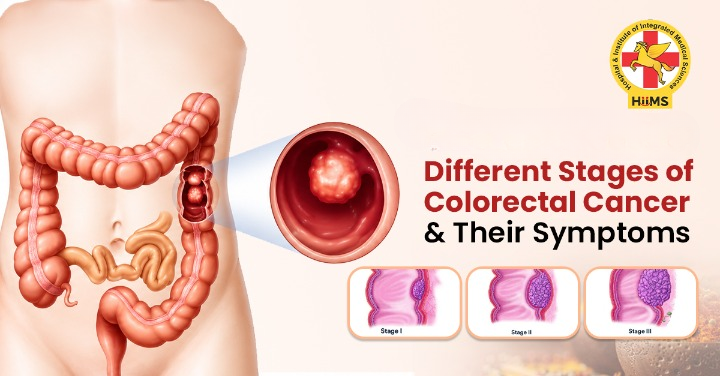
Colorectal cancer affects the colon and rectum, which sit at the end of the digestive tract and play a quiet but important role in daily health. In the beginning, it may grow slowly and without any clear alarm, so many people mistake the first changes for routine stomach trouble or a passing bowel issue.
That delay is exactly why the stages of colorectal cancer are so important. Each stage tells a different story about how far the disease has moved, how the symptoms may change, and why early attention can make a real difference. Some people notice small bowel changes first, while others only feel tired, bloated, or weak when the problem has already moved ahead.
This blog walks through the stages in simple and easy language, from the earliest cell changes to the more advanced phase, so the reader can understand what each stage means, which signs may appear, and why timely action must be taken carefully.
What Colorectal Cancer Means in Simple Terms
The colon helps the body absorb water from waste, while the rectum stores stool before it leaves the body. Cancer in either place is called colorectal cancer, since both areas belong to the same digestive pathway. In many cases, the disease starts with small growths called polyps. Some polyps stay harmless, but others slowly change over time and turn cancerous. That slow change is part of colorectal cancer progression, and it is one reason the disease can stay hidden for quite some time.
Why It Can Stay Quiet at First
A person may feel normal even when changes have already started inside. The first signs can look like everyday stomach trouble, and that makes them easy to ignore. Mild constipation, loose stools, gas, or a dull ache often do not seem serious on their own. Still, when these changes keep returning, they deserve attention rather than any kind of speculation.
Why Colorectal Cancer Often Goes Unnoticed in Early Stages
Many people wait because the symptoms feel small, temporary, or linked to food. That is a common mistake. A short period of digestive upset may pass on its own, but a pattern that keeps coming back should not be ignored. This is where stages of colorectal cancer become useful to understand, because the body often gives different clues as the disease moves forward. Regular screening after middle age is essential for the same reason: it can catch changes before they grow deeper.
Understanding the Different Stages of Colorectal Cancer
Stage 0: The Earliest Point
Stage 0 means abnormal cells stay limited to the inner lining of the colon or rectum. At this point, the cancer has not grown into deeper tissue. Most people do not notice obvious symptoms here, although slight bowel changes may sometimes appear. This is the stage where doctors look closely, because treatment tends to work best when the problem is still small.
Stage 1: Cancer Starts Moving Inward
At this stage, cancer has moved into the next layer of tissue, but it still remains in one place. Colorectal cancer stage 1 symptoms are often mild, which is why people may dismiss them as routine digestion issues. Some people notice mild stomach discomfort, while others start seeing changes in their usual bowel routine or feel that the stomach has not cleared properly even after passing stool. These small problems may not stay all the time, but ignoring them repeatedly is not a good idea.
Stage 2: The Disease Goes Deeper
Stage 2 means the cancer has grown through the wall of the colon or rectum, though it has not reached distant organs. This is when colorectal cancer progression usually starts becoming easier to notice in daily life. Cramping, bloating, blood in stool, weakness, and a heavy feeling in the abdomen may begin to appear more often. The discomfort can feel ordinary at first, but it tends to return with more regularity.
Stage 3: Nearby Lymph Nodes Become Involved
Stage 3 means the cancer has reached nearby lymph nodes, which tells doctors the disease has moved further than before. At this point, colorectal cancer staging becomes very important, because it helps the care team understand how far the cancer has spread and what kind of support may be needed next. Rectal bleeding, pain in the lower stomach area, changes in stool shape, tiredness, and sudden weight loss may start appearing more clearly during this stage. These body changes usually become more frequent with time, which makes them much more difficult for a person to overlook or ignore in daily life.
Stage 4: The Most Advanced Stage
When stage 4 colorectal cancer develops, the cancer no longer stays limited to the colon or rectum and starts reaching organs like the liver or lungs as well. During this time, the symptoms of advanced colorectal cancer often become easier to notice because the body starts feeling weaker overall. Some people begin feeling exhausted most of the time, while others lose interest in food, drop weight unexpectedly, or struggle with repeated vomiting and low energy in daily life. If the liver gets affected, yellowing of the eyes or skin may also appear. Everyday work and simple activities can start feeling difficult, which is why continuous medical care and proper support become important during this phase.
Common Warning Signs That Deserve Attention
Some symptoms can show up at different stages, and they deserve a closer look when they stay for more than a few days. Blood in the stool, ongoing constipation or diarrhea, stomach pain, weakness, and the feeling that the bowel has not cleared properly are some signs that people should pay attention to. These problems do not always mean cancer, but leaving them unnoticed for a long time is also not a good habit. Knowing about the stages of colorectal cancer helps people understand why repeated body changes should be taken seriously instead of being ignored again and again.
Can Early Detection Improve Recovery Chances?
Screening gives doctors a chance to spot trouble before symptoms grow loud. That is important because colorectal cancer progression can move quietly in the beginning, and early testing may catch it while the condition is still easier to manage. Adults over a certain age and people with family history or long-term bowel issues should pay special attention to regular checks. It is always better to confirm a concern early than to wait until the body is forced to speak louder.
Conclusion
Colorectal cancer does not show any kind of strong signal itself in the same way for everyone, but the pattern becomes clearer when the symptoms are read stage by stage. That is why learning the stages of colorectal cancer can help people notice small changes before they become hard to ignore.
A long stretch of bowel trouble, bleeding, tiredness, or weight loss should never be brushed aside as nothing. Getting checked early gives doctors a better chance to guide the next step with care and clarity.
If you are facing a health-related issue, you can also opt for VOPD (online video consultation) for your health issue with expert doctors at Jeena Sikho HiiMS today.

FAQs
Q1. What are the first signs of colorectal cancer?
Early signs often include bowel changes, mild stomach pain, tiredness, or small amounts of blood in stool that keep returning.
Q2. How is colorectal cancer different from colon cancer?
Colon cancer begins in the colon, while colorectal cancer covers both the colon and rectum together in one broader term.
Q3. Why do early symptoms get ignored so often?
The first changes often look like ordinary digestion trouble, so many people assume they will settle on their own.
Q4. What makes stage 4 colorectal cancer serious?
At this stage, the cancer has spread to distant organs, and the whole body may start showing stronger symptoms.
Q5. Why is colorectal cancer staging important?
It helps doctors see how far the disease has moved, which supports better planning for care and treatment.