
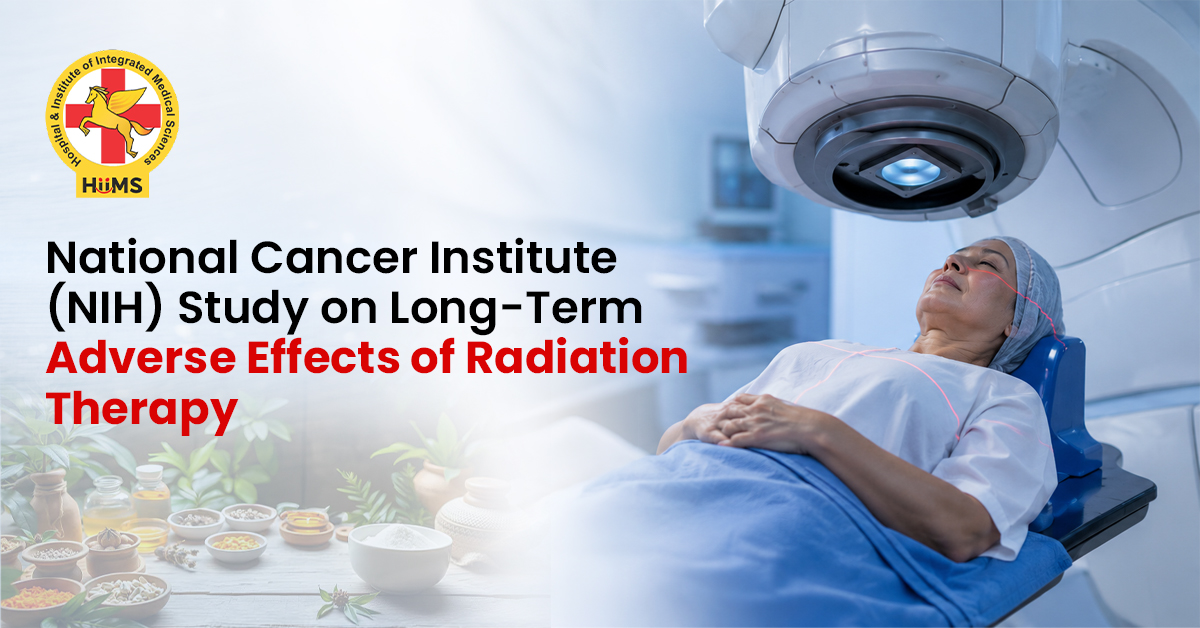

Every year, millions of cancer patients go through radiation therapy as part of their treatment. It works. It saves lives. But what happens to the body after months, sometimes years, after treatment ends is a conversation that doesn’t occur enough.
This blog walks through a clinical picture of what radiation therapy side effects can look like over the long term. If you or someone you know has gone through cancer radiation therapy or is about to, then you need to read this carefully.
What Radiation Therapy Does to the Body
In simple words, radiation therapy uses powerful energy beams to destroy cancer cells or stop them from multiplying. It targets the specific area where the tumor is located.
The problem is, radiation cannot tell the difference between a cancer cell and a healthy cell sitting right next to it. Nearby healthy tissue absorbs damage too. That is what causes radiation treatment side effects; some are felt immediately, and some that build up silently over time.
Short-Term vs. Long-Term: What the Doctors Found
During and Right After Treatment
The National Cancer Institute documents that common radiation therapy side effects during treatment include fatigue, hair loss in the treated area, skin changes, and nausea, varying by which body part is being treated. They were expected, managed, and mostly faded.
Months and Years Later: The Late Effects
What wasn’t anticipated were the late effects. The NCI recognizes that radiation therapy complications can surface months or even years after treatment has ended. These are called “late effects,” and some are permanent.
Body Area Breakdown: What to Watch For
Late damage depends heavily on where treatment was given:
Brain radiation can cause memory problems, difficulty concentrating, persistent headaches, and blurry vision, which are often mistaken for unrelated issues years later.
Head and neck radiation frequently causes thyroid slowdown, taste changes, difficulty swallowing, and chronic dry mouth that significantly affects daily life.
Chest radiation can stress the heart and lungs over time, causing breathlessness, coughing, and cardiovascular risk down the line.
Pelvic radiation is associated with urinary and bladder problems, sexual dysfunction, and fertility issues in both men and women.
Stomach and abdomen radiation often leads to long-term digestive issues, chronic diarrhea, nausea, and bladder irritation.
These are radiation treatment side effects every patient deserves to understand before signing a consent form, not after.
Why Do Some People Get Late Effects and Others Don’t?
The severity of radiation therapy complications depends on the total radiation dose, the body area treated, the patient’s age and overall health, genetics, and lifestyle factors like smoking, which NCI data confirms significantly worsens outcomes.
Some healthy cells recover within months. But when cumulative damage crosses a normal limit, or recovery is incomplete, the body carries those effects forward quietly for years.
What This Study Taught Us
The key lesson from the study and similar radiation therapy case studies is this: long-term follow-up is not optional. New symptoms, even years after treatment, must be reported to an experienced doctor and hospital. Ask your doctor for a follow-up plan. It outlines which long-term radiation toxicity signs to watch based on your specific treatment area.
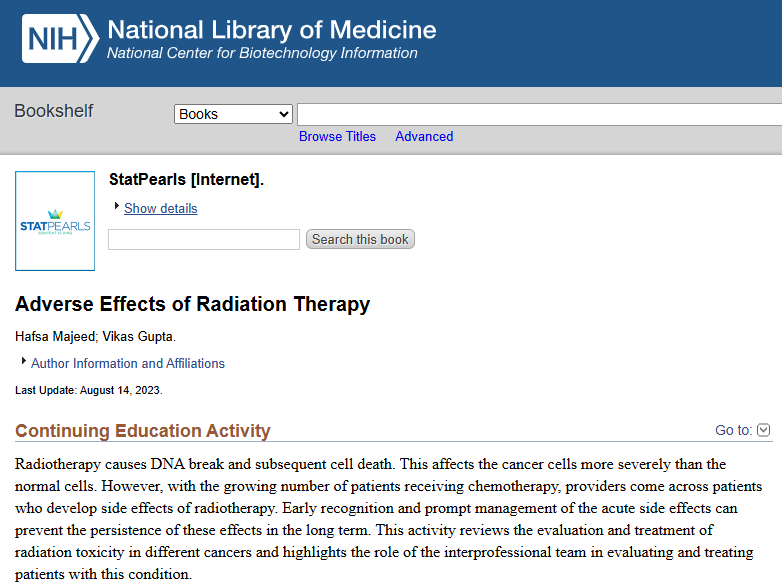
An Aspect Worth Taking Time To Think About
This type of study raises a question more people are beginning to ask: not to dismiss modern medicine, which absolutely has its place, but to look honestly at informed choice.
Could building the body’s resilience before aggressive treatment make a difference? A growing number of integrative practitioners and some oncologists acknowledge that strengthening the body through time-tested natural approaches may support better recovery.
Ayurvedic principles, rooted in thousands of years of practice, focus on reducing inflammation and restoring balance from within. Not as a replacement for necessary treatment, but as a foundation worth exploring with a qualified practitioner before major decisions are made.
Conclusion
Radiation therapy side effects are real, documented, and for many patients, extend far beyond the treatment room. The purpose of this radiation therapy case study is not to instill fear, but it is for awareness. Know what to ask. Understand what your body may go through. And explore every option available to you with open eyes.
FAQs
Q1. How long after radiation therapy do side effects appear?
Some radiation therapy side effects appear within days or weeks of starting treatment. Late effects, including long-term radiation toxicity, can show up months or even years after treatment ends.
Q2. Are all radiation therapy side effects permanent?
Many short-term radiation treatment side effects, like fatigue and skin changes, resolve within months. However, some late effects, particularly those affecting the lungs, heart, thyroid, or bladder, can be long-lasting depending on dose and body area.
Q3. Which body area carries the most serious long-term effects?
Chest and pelvic radiation therapy complications tend to be most significant long-term, including cardiovascular stress, lung damage, and fertility issues. Head and neck radiation also carries notable risks to thyroid function and swallowing.
Q4. Can Ayurvedic herbs help during or after radiation therapy?
Several herbs are being studied for supportive roles. Ashwagandha may help manage treatment-related fatigue. Tulsi has shown anti-inflammatory potential. Triphala has been explored for antioxidant properties. Always consult a qualified Ayurvedic practitioner before taking any herbs alongside cancer radiation therapy.
Q5. What symptoms should I report during follow-up after radiation?
Report anything new, such as breathing changes, unusual fatigue, urinary issues, skin tightness, memory fog, or digestive problems. Given what we know about radiation therapy complications, no symptom is too minor to mention after treatment ends