
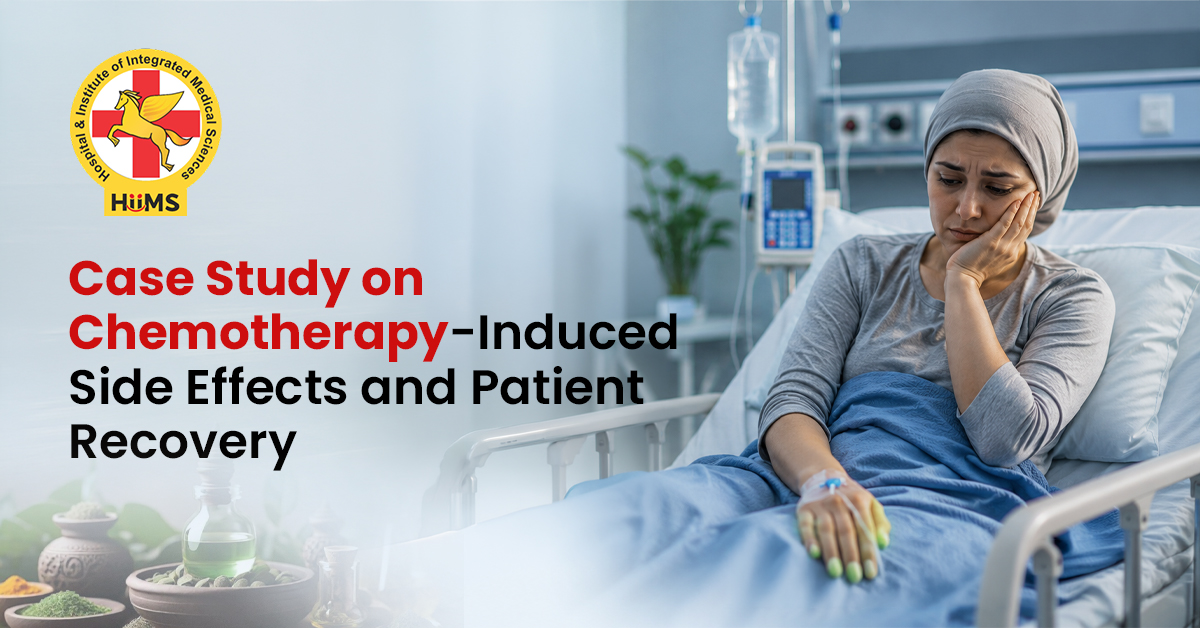
Chemotherapy is often seen as one of the strongest steps in cancer treatment. It targets cancer cells, but at the same time, it also affects the body in many ways. For many patients, the real struggle does not end after chemotherapy. In fact, that’s where a different phase begins.
Fatigue, weakness, loss of appetite, nausea, and emotional stress slowly become part of daily life. This is the side that people don’t talk about enough: the actual chemotherapy patient experience.
This blog shares a real case-based understanding of chemotherapy side effects and how recovery can look when the right support is introduced at the right time.
Understanding Chemotherapy Side Effects
Chemotherapy works by attacking fast-growing cells. The problem is, it doesn’t only target cancer cells. It also impacts healthy cells, such as
- Hair follicles
- Digestive lining
- Immune cells
As a result, patients often face the following:
- Extreme fatigue
- Nausea and vomiting
- Loss of appetite
- Weak immunity
- Skin and digestive issues
These cancer treatment side effects can sometimes feel harder than the treatment itself.
Case Study: A Patient’s Struggle After Chemotherapy
In one such case, a patient undergoing cancer treatment started facing severe complications after multiple chemotherapy sessions. The condition slowly shifted from treatment to survival. The patient reported:
- Continuous weakness and low energy.
- Problems with eating and a reduced appetite
- Anxiety, breakdown
- Unable to stick to the normal routine
Even with finishing all treatment cycles, the body felt so unnatural. The process of recovery was slow, and the side effects of chemo were still impacting her quality of life. At this point, it was about managing chemotherapy side effects rather than focusing on the treatment of the disease.
The Turning Point: Looking Beyond Conventional Recovery
At this stage, the patient and family started exploring supportive care options. The goal was simple: not just survival, but a better quality of life. That’s when they approached Jeena Sikho HiiMS for a more supportive and natural recovery approach.
How Jeena Sikho HiiMS Approached the Case
Instead of focusing only on symptoms, the approach was to understand the body condition after chemotherapy. The idea was to support recovery, not rush it.
1. Detox and Internal Cleansing
After chemotherapy, the body often feels overloaded. At HiiMS, detox therapies were used carefully:
- Gentle Panchkarma therapies.
- Oil-based treatments.
- Natural cleansing methods.
This was done to support internal balance, not aggressive detox.
2. Diet-Based Recovery
Food became a major part of the recovery plan. The patient was guided toward:
- Fresh juices and plant-based foods
- Light and easy-to-digest meals
- Gradual improvement in eating pattern
This helped in slowly improving energy levels.
3. Herbal Support
Certain herbs were introduced for support:
- Turmeric
- Ashwagandha
- Tulsi
- Neem
These were used to support the body’s natural strength and reduce inflammation.
4. Emotional and Mental Support
One thing that often gets ignored is mental health. In this case, the patient was also supported with:
- Stress management
- Simple breathing practices
- Calm routine
Because recovery is not only physical.
What Does Real Chemotherapy Recovery Look Like?
Recovery after chemotherapy does not happen overnight. It takes time and can appear to make no progress at all initially, but over time and with the appropriate treatment and support, small gains begin to appear. With this patient’s chemotherapy recovery journey, small changes in appetite, increased energy, reduced fatigue, and increased emotional stability became noticeable over time. Although seemingly small, these are all indications of recovery.
This is a description of actual cancer recovery; it is neither rapid nor impressive but consistent and sustained. This case effectively highlights that chemotherapy recovery is not passive but requires the input of appropriate resources and assistance. Successful side effect management for chemotherapy depends on having proper guidance, a scheduled routine, good nutritional intake, and emotional reserves, and this, in combination, can aid recovery to be both achievable and sustainable.
How to Manage Chemotherapy Side Effects in a Balanced Way
Managing chemotherapy side effects is not about doing one big thing. It usually comes down to small, consistent steps that support the body over time.
Simple habits like keeping the food light and easy to digest, staying properly hydrated, and avoiding heavy or processed meals can make a difference. Along with this, giving the body enough rest and allowing gentle movement helps in maintaining energy.
One thing that often gets ignored is mental stress. Emotional health plays a big role in recovery, so it should not be overlooked. Taking proper guidance instead of trying random solutions is equally important.
These steps may seem basic, but they matter more than expected when followed regularly.
At the same time, it is important to stay clear about one thing. Chemotherapy is a medical treatment and should always be guided by oncologists. Supportive methods like Ayurveda and naturopathy can help in recovery, but they work best when combined with proper medical advice.
At Jeena Sikho HiiMS, the focus is usually on this kind of balanced approach, where different methods are used together to support recovery, not replace necessary treatment.
Conclusion
Chemotherapy treatment itself is an extremely challenging experience, and so is recovery from chemotherapy. Symptoms can really take a toll on day-to-day activities, but there is a gradual improvement in the right direction.
This case study highlights the possibility of chemotherapy recovery when supported appropriately, not prematurely. By proper care, lifestyle changes, and timely guidance, patients are steered toward a gradually stable and healthy life.
For anyone who wants to manage chemotherapy side effects with professional help, Jeena Sikho HiiMS offers OPD consultations. Contact us at +91 82704 82704 or at care@jeenasikho.com.

FAQs
Q1. What are some well-known side effects of chemotherapy?
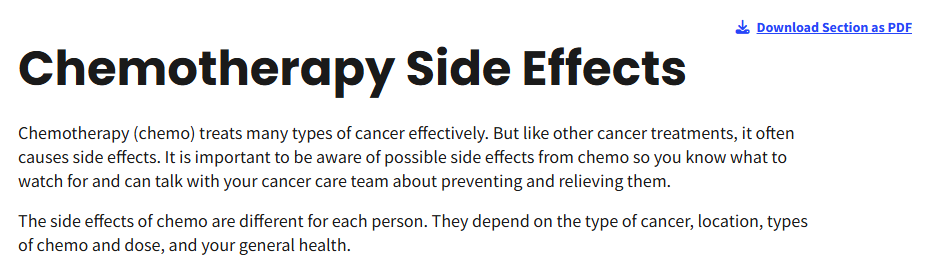
Side effects of chemotherapy mainly involve fatigue, nausea, and low immunity.
Q2. How long does it take for chemotherapy to take effect?
It varies from person to person, but recovery from treatment is typically slow, with other side effects occurring later.
Q3. Can side effects remain present after treatment?
Certain effects could last from days to months.
Q4. Treatment of the side effects of chemotherapy?
Treatment involves diet, rest, hydration, and proper advice, which will aid the process.
Q5. Can natural aids help in the recovery process?
Natural aids require constant monitoring and medical advice.