
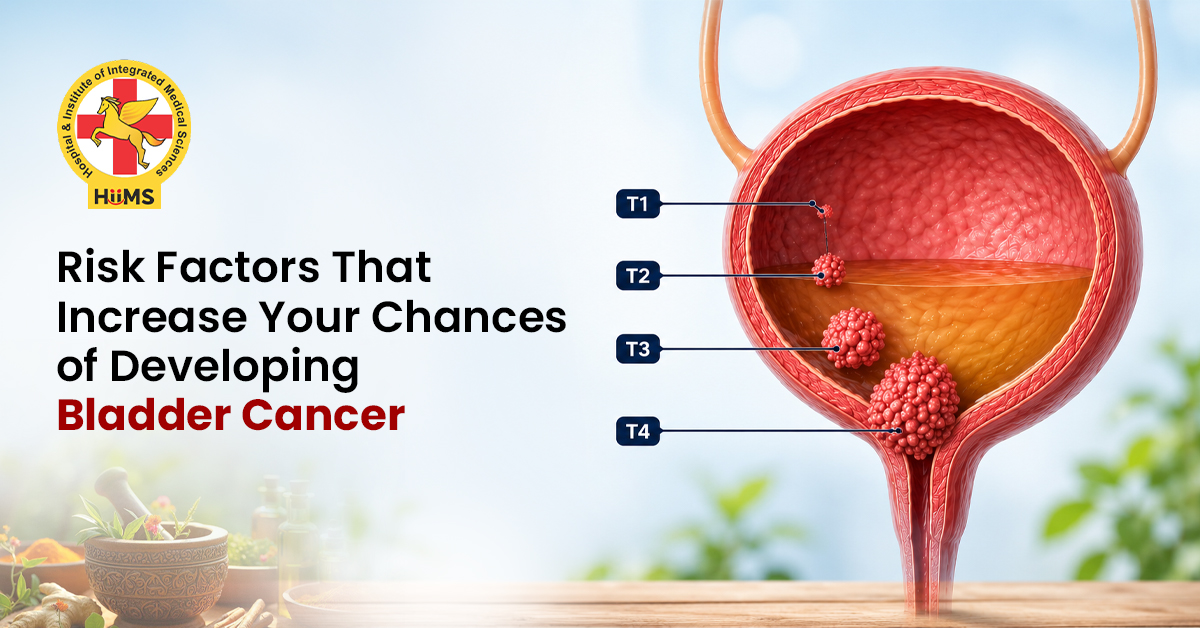

When we think about keeping ourselves healthy, we often think about our heart, lungs, or digestion. Our bladder rarely crosses our minds until something feels uncomfortable. But your bladder is a vital storage organ that remains in constant contact with filtered waste products and environmental toxins. If these toxins remain in the body for too long, they can alter your cells and cause major health problems.
Learning about the bladder cancer risk factors is not about causing panic; it is about taking control of your health. When you know what threatens your body, you can make smarter daily choices to protect it. Let’s have an honest, straightforward talk about the actual triggers, the early warning signals your body sends, and how you can naturally shield your system from harm.
The Hidden Connection: Bladder Cancer Causes and Symptoms
Understanding how this condition develops requires looking at what happens to your cells daily. The bladder is lined with specialized cells called urothelia, which expand and contract as urine fills and empties. Bladder cancer causes and symptoms are very much related to how your body handles waste material. Your kidneys filter toxins from your blood, and these harmful chemicals are passed out in your urine. If your urine is highly concentrated with waste, it constantly irritates the bladder lining and, in time, causes cellular mutations.
To protect yourself, you must stay highly alert to the bladder cancer warning signs. Here is what you should never ignore:
- Blood in the Urine (Hematuria): This is the most common early sign. Your urine might look pink, bright red, or rusty. To protect yourself, you need to be very alert to the warning signs of bladder cancer.
- Irritable Urination Habits: Feeling a sudden, urgent need to rush to the bathroom, even when your bladder isn’t full, or experiencing a burning sensation when you pee.
- Flow Troubles: Noticing that your urine stream is much weaker than usual or starts and stops repeatedly.
- Unexplained Back or Pelvic Pain: A persistent, deep ache in your lower back or pelvic area that doesn’t go away with rest.
Major Bladder Cancer Risk Factors You Should Know
While the exact cellular trigger can vary from person to person, researchers have identified clear, undeniable habits and conditions that multiply your chances of getting sick.
1) Smoking and Bladder Cancer
A lot of people think tobacco only harms the lungs, but smoking and bladder cancer share a massive, dangerous link. Tobacco smoke contains harmful chemicals called aromatic amines. When you inhale smoke, these carcinogens enter your bloodstream, get filtered by your kidneys, and sit directly in your bladder for hours. This sustained contact damages the DNA of the lining of your bladder, making smoking the top risk factor for this disease.
2) Long-Term Bladder Irritation and Chronic Infections
If you have frequent urinary tract infections (UTIs) or bladder stones, your bladder lining is always in a state of physical stress. That chronic inflammation means your cells are rapidly dividing and repairing themselves, and so mutation is more likely. Long-term urinary catheters also carry a higher risk of chronic tissue irritation for those using them.
3) Age, Gender, and Biological Variables
When looking at who is at risk for bladder cancer, statistics show that age and biological gender play a major role. The disease is much more common in adults over 55 because the toxic exposure builds up over decades. Moreover, men are approximately three to four times more susceptible than women to developing bladder tumors, mainly because of lifestyle habits in combination with differences in metabolic enzymes.
4) Industrial Chemical and Workplace Exposure
Your occupation can influence your inner toxic load. People who work in industries that manufacture dyes, rubber, leather, textiles, paints, or printing supplies are often exposed to industrial chemicals, such as aromatic amines. Over decades, inhaling or absorbing these fumes through the skin creates a substantial build-up of bladder cancer risk factors in the urinary system.
Simple and Effective Habits for Bladder Cancer Prevention
While you cannot change your age or your genetic history, there are highly practical, bladder cancer prevention steps you can take to flush toxins out of your body and support your natural filtration organs.
To build a strong shield against causes of bladder cancer, make these simple adjustments:
- Ditch the Tobacco: Quitting tobacco use is the single most effective action you can take to immediately lower your internal toxic load and protect your urinary tract lining.
- Flush Your System with Water: Drink plenty of comfortable, lukewarm water throughout the day. Frequent hydration dilutes your urine, meaning any filtered chemicals spend less time sitting against your bladder wall.
- Fill Your Plate with Antioxidants: Switch to a clean, plant-based diet rich in fresh fruits, colorful vegetables, and fiber. Antioxidants help repair cellular damage and prevent free radicals from triggering dangerous cell mutations.
- Observe Workplace Safety Rules: If you work with crude oils, heavy chemicals, or industrial paints, always wear your protective gear and wash your hands before eating.
Conclusion
Facing potential health scares can feel incredibly overwhelming, but your body has a remarkable capacity to heal when you give it the right environment. Whether you are re-evaluating the connection between smoking and bladder cancer, trying to implement daily bladder cancer prevention habits, or trying to understand vague bladder cancer warning signs, professional, holistic guidance can change the entire course of your health journey.
If your urinary habits are shifting, your energy baseline is dropping, or you simply want an expert, tailor-made blueprint to cleanse your body of deep-seated toxins, it is time to seek expert help. Stop guessing about your health and get a personalized wellness plan. Book a VOPD consultation with Jeena, Sikho, and HiiMS experts today and take your long-term health back into your own hands!

FAQ’s
Q1. Why is blood in the urine considered one of the primary bladder cancer warning signs?
Blood in the urine happens when growing tumors damage the delicate blood vessels in the bladder lining, making it the most common early indicator of a problem.
Q2. What is the main connection between smoking and bladder cancer?
Carcinogens from tobacco smoke enter your blood, get filtered by your kidneys, and collect in your urine, where they directly damage the bladder cells over time.
Q3. Are there simple, natural ways to assist in bladder cancer prevention?
Yes! Drinking plenty of lukewarm water to dilute urine, quitting tobacco, and eating an organic, antioxidant-rich diet are excellent ways to protect your cells.
Q4. Exactly who is at risk for bladder cancer based on age and lifestyle?
Adults over the age of 55, biological men, individuals with chronic bladder infections, and workers exposed to industrial dyes or rubber chemicals carry the highest risk profile.
Q5. Can chronic urinary tract infections contribute to the causes of bladder cancer?
Yes, repeated infections or long-term catheter use cause chronic tissue inflammation, which can trigger abnormal cell mutations in the bladder over several years.