
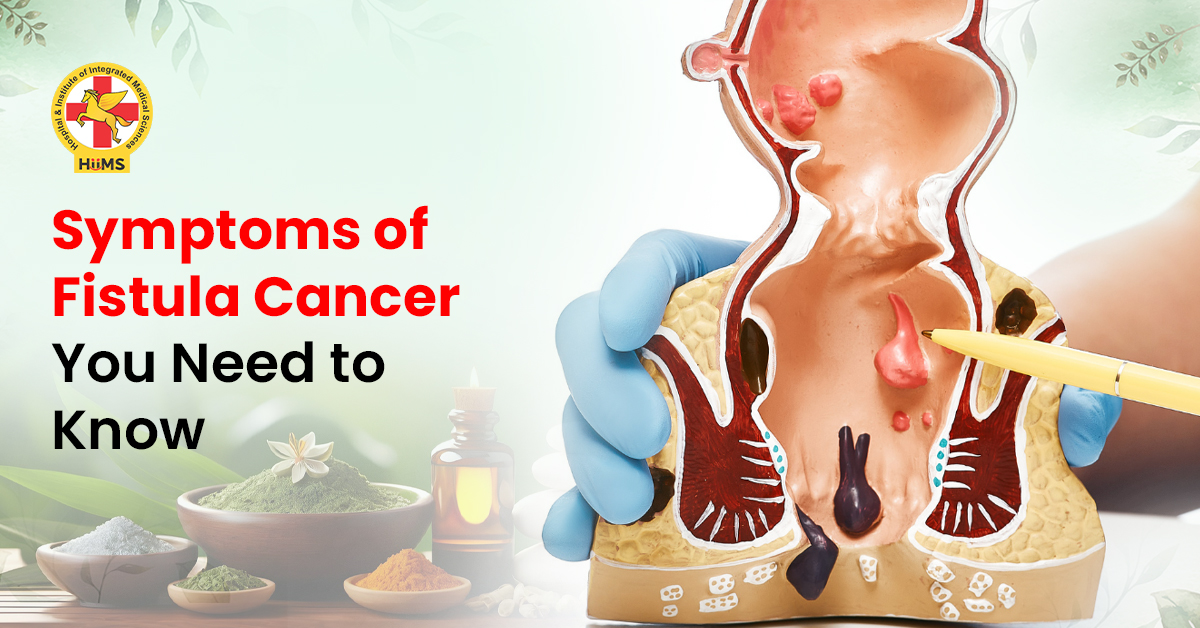

A fistula is basically an unusual tunnel that forms inside the body, creating a connection between two organs or cavities that shouldn’t be linked. Although it can appear in different parts of the body, it most often develops around the anus and rectum because these areas are more likely to get infected. When a fistula is present, a person may experience symptoms like pain, fever, diarrhea, constipation, nausea, fatigue, or even unexpected weight loss.
Fistulas usually form when bacteria enter and damage the tissues between two organs. They can develop due to infections, injuries, certain cancers, or sometimes a person may be born with them. Depending on type, location, and nature, they can vary in type and severity. While they can be difficult to manage, early detection and proper treatment make a big difference.
The aim of this blog is to help you understand the common fistula cancer symptoms so that you can identify early warning signs and seek timely medical care.
What is Fistula Cancer?
A fistula is an unwanted opening that forms between two parts of the body that normally have no connection. In some cases, it can happen as a side effect of cancer treatment. In rare situations, it may also occur when cancer grows into nearby tissues and creates a passage of its own.
Dealing with a fistula can be physically uncomfortable and emotionally draining. An experienced cancer specialist in Kurukshetra can suggest the right treatment options and help you manage the symptoms in the best possible way.
What are the causes?
There are many factors that can increase the chances of developing a fistula, but if you have these risk factors, it doesn’t mean you will definitely get one. In fact, most people with cancer never develop a fistula.
Some of the factors are:
- When cancer began in the pelvic area, such as cervical cancer or bowel cancer.
- The cancer is large or grows very fast.
- You have undergone surgery, radiotherapy, or both. Having radiotherapy and chemotherapy together can also raise the risk.
- You had a biopsy taken from an area that was previously treated with radiotherapy.
These causes are linked to higher chances of developing a fistula, especially when certain cancer symptoms and treatments affect the pelvic area or the tissues around it.
What are the symptoms?
The symptoms of a fistula depend on the location of the body where it develops. These fistula cancer symptoms can include:
Signs and symptoms of Bladder Fistula
A fistula connecting the bowel and bladder can lead to signs like:
- Pain while passing urine
- Urine that smells bad or looks cloudy
- Frequent urination
Signs of Bowel Fistula
If the fistula develops between the bowel and the ureter, or between the bowel and the bladder, there is urine leaking from the back passage.
Signs of Vaginal Fistula
If a fistula forms between the ureter and vagina, or between the bladder and vagina, it can cause urine to leak out through the vagina.
If a fistula connects the vagina and the bowel, you may experience:
- vaginal discharge with an unpleasant smell
- passing wind through the vagina
- soreness in the vaginal area
- irritation in the skin
Signs of Chest Fistula
If a fistula forms between the food pipe (oesophagus) and the windpipe (trachea) or airways, you may have:
- Coughing after eating or drinking
- Shortness of breath
- Frequent chest infections
Understanding these different fistula symptoms can help you identify problems early and can support you better on your overall journey.

Weight Loss
Unexplained weight loss is one of the common fistula cancer symptoms, as the body uses extra energy to fight against the infection or inflammation.
Pain in the abdomen
Many people with a fistula may feel a constant or occasional pain in the abdomen, which can get worse during movement or after eating.
Nausea
There is a feeling of nausea when the body reacts to infections or irritation caused by the abnormal passage.
Why Choosing the Right Cancer Hospital is Important to Treat Fistula Cancer
With the right guidance of experts and access to the best cancer treatment in Kurukshetra, patients can receive personalized care, and long-term support that helps them in their healing journey.
Jeena Sikho HiiMS Hospital is a trusted cancer hospital in Kurukshetra, where the right treatment at the right time can make a big difference when dealing with symptoms of fistula cancer.
Conclusion
Understanding fistula cancer symptoms at the right time can make a big difference in preventing a person from further damage and their speedy recovery.
These symptoms can develop gradually and may even resemble signs of other health issues. That’s why it’s important to notice any unusual changes happening in your body.
Proper guidance from a cancer specialist in Kurukshetra can help in identifying the root cause of the problem. Early detection and timely treatment can improve your overall health and bring you closer to effective healing and long-term goals.
FAQ
Q1. What are the symptoms of fistula cancer?
Abdominal pain, nausea, vomiting and weight loss.
Q2. Can fistula cancer be treated?
With proper diagnosis and right guidance most of the fistula-related issues can be managed.
Q3. How is a fistula related to cancer?
A fistula may form when cancer grows into nearby tissues or as a side effect of surgery or chemotherapy.
Q4. Can fistula cancer symptoms get worse if ignored?
Delay in the treatment can lead to infections and complications that become harder to manage.
Q5. Can lifestyle changes help in recovery?
Healthy change in dietary and lifestyle habits can improve overall well-being.