

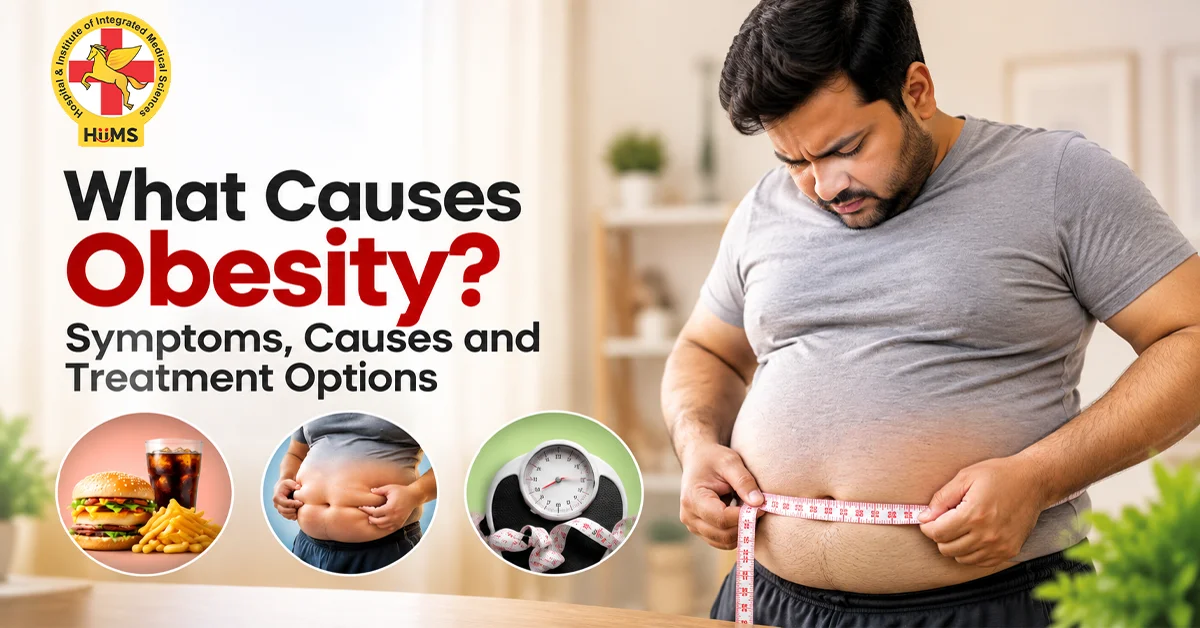
Weight doesn’t climb because of one bad month. It builds slowly through food habits, sleep, stress, family history, and daily routine, which is why the causes of obesity are rarely as simple as “eating too much.” If you’re trying to understand why weight keeps rising, or why it comes back after every diet, it helps to look at the whole picture.
This blog covers the main causes, the signs to watch for, the usual treatment options, and where natural weight management fits in.
What Are the Main Causes of Obesity?
The WHO describes obesity as a chronic, complex disease that comes from an interaction between genetics, eating behaviours, access to healthy food, and the wider environment. It’s also very common. The WHO reports that in 2022, 1 in 8 of the world’s population was living with obesity, and that adult obesity has more than doubled since 1990.
The CDC reports that 41.9% of US adults had obesity between 2017 and March 2020. In short, the causes of obesity are mixed, and they differ from person to person.
Not sure which of these apply to you? A short online consultation with Jeena Sikho HiiMS doctors can help you look at food, sleep, and routine together before you pick a plan.

Obesity Causes and Obesity Risk Factors

The most common obesity causes and obesity risk factors include:
- Little physical activity
- Too many highly processed foods and added sugars, including sugary drinks
- Too little fibre, fruit, and vegetables
- Poor or short sleep
- Ongoing stress
- Certain health conditions and medications
- Genes and family history
- Your environment, such as access to healthy food and safe places to walk
How Do You Know If You Have Obesity?
Doctors usually start with BMI, which is weight in kilograms divided by height in metres squared. BMI is just a screening tool, waist size and health history are also important. The usual signs and symptoms of obesity are:
- Extra body fat especially around waist
- Breathlessness on stairs or walking short distances
- Knee or back issues
- Loud snoring or arousals during sleep
- Feeling tired all day long
- Heavy sweating or skin irritation in the folds of the body

How is Obesity Treatment Usually Approached?
Obesity treatment starts with the basics: better food choices, more movement, better sleep, and regular follow-up. Care can include lifestyle interventions and FDA-approved medications, and in some cases doctors also discuss surgery. Which of these obesity treatment options suits you depends on your BMI, other conditions like diabetes or high blood pressure, and how your body has responded so far.
One pattern that shows up again and again in weight-loss conversations is that crash diets rarely last, while plans built around ordinary meals and daily walking are the ones people keep repeating.

Obesity Management That Fits Real Life
Good obesity management is mostly small habits done consistently. Eat at fixed times and keep dinner light, walk for about 30 minutes daily, aim for regular sleep, and find one stress-relief habit you’ll actually use.
Check your waist measurement and weight at regular intervals rather than daily, and keep your follow-up appointments even when things seem to be going well.
Ayurveda and the Causes of Obesity
Ayurveda links weight gain to excess Kapha, weak digestion (Agni), and a buildup of toxins (Ama) that disturbs fat tissue.
So along with food quantity, it looks at what you eat, when you eat, and how well you digest it. Ayurvedic centres list overeating, hormonal imbalance, inactivity, stress, poor sleep, and processed food among the causes of obesity, which overlaps closely with the modern list above.
Natural Weight Management: What Ayurvedic Care Includes
Natural weight management through Ayurveda at Jeena Sikho HiiMS Kota usually combines several steps:

- pH-balanced diet (Plate 1 and Plate 2): Plate 1 is seasonal fruit or raw vegetables, and Plate 2 is a lightly cooked meal like millet, daliya, upma, or poha. The idea is a lighter load on digestion.
- Panchakarma therapies: Vamana and Virechana are used to eliminate excess Kapha and toxins. Basti, Nasya or Raktamokshana may be planned as per case.
- Deepana and Pachana: Herbs and foods that stimulate digestion, so food is processed properly.
- Swedana: Herbal steam therapy to aid sweating & circulation.
- Herbs: Triphala, Guggulu, Punarnava, Ashwagandha and Vikshamla (Garcinia) chosen individually.
These are supportive measures that work alongside your doctor’s advice. Tell your doctor about any herb or therapy you add, especially if you take regular medicines.
Conclusion
The causes of obesity rarely come down to one thing, so the plan that works is usually the one that addresses food, movement, sleep, and stress together.
If you need a plan built around your own routine and reports, you can book a VOPD consultation with Jeena Sikho HiiMS and go through your case with our team.

FAQ’s
1) Is obesity only about eating too much?
No. The WHO describes it as a multifactorial disease involving genetics, environment, and behaviour, not just calories.
2) Can stress lead to weight gain?
Yes, under the CDC, stress is one of the factors that contributes to obesity along with poor sleep and poor diet.
3) Is BMI enough to diagnose obesity?
BMI is a useful screening number, but doctors also look at waist size and other health conditions.
4) Does sleep really affect weight?
It can. The CDC includes short or poor-quality sleep among the behaviours linked to weight gain.
5) Are Ayurvedic herbs safe with my regular medicines?
Many people use them together, but tell your doctor first so nothing interferes with your prescription.