
People throw around “heart disease” like it’s one thing. It’s not. It’s a whole group of conditions, each hitting the heart differently. Roughly half of adults carry some form of it, often without knowing, since a lot of these stay quiet until something forces the issue.
This blog goes through what heart disease actually covers, the different types, symptoms worth watching for, how it gets treated, and where to find proper heart care if you’re in Kolkata New Town.
What is Heart Disease, Actually?
Heart disease covers any condition affecting how your heart works, structurally or electrically. Not one disease. A whole category. Some forms narrow the blood vessels feeding your heart. Others mess with the electrical signals that keep it beating on rhythm.
Some just weaken the muscle so it can’t pump the way it should. Knowing which type you’re dealing with actually matters, since symptoms and treatment shift depending on which part of the heart is affected.
Different Types of Heart Disease You Should Know
Here’s what shows up most in clinical practice:
- Coronary artery disease, the big one, caused by plaque narrowing the arteries feeding the heart
- Arrhythmia, the heart’s electrical rhythm going off, too fast, too slow, irregular
- Heart failure, the muscle weakens, struggles to pump blood efficiently
- Valve disease, valves that narrow, leak, or just don’t close right
- Congenital heart disease, structural issues present from birth
Coronary artery disease causes most heart attacks and angina on its own, which is why it gets so much attention. The rest deserve just as much though.
Heart Disease Symptoms: What Your Body Might Be Telling You
Heart disease symptoms shift depending on the type, but a few show up again and again:
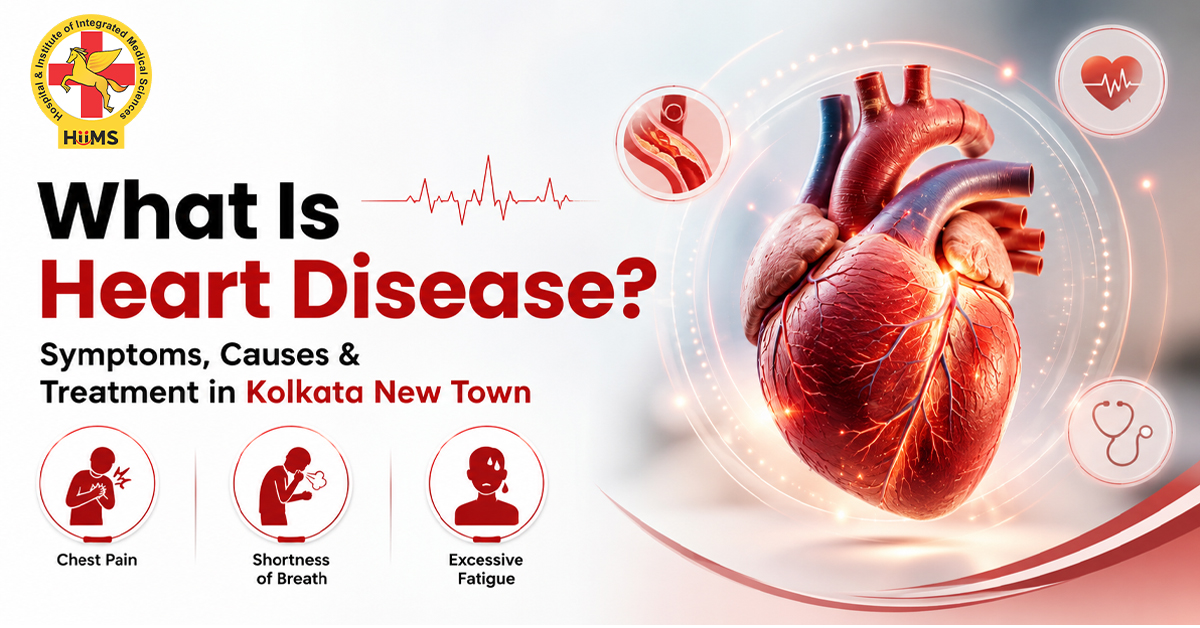
- Chest pain, pressure, tightness, sometimes spreading to the arm, neck, or jaw
- Shortness of breath, especially during activity or lying down
- A heartbeat that flutters, races, or drags unusually slow
- Swelling in the legs, ankles, or belly
- Fatigue that doesn’t match what you’ve actually been doing
Coronary artery disease and certain arrhythmias get called silent conditions for a reason, they can sit there for years, doing damage, before a heart attack or stroke forces the issue. Which is exactly why regular screening matters more than just watching for symptoms.
Heart Disease Causes: What’s Actually Behind It
Heart disease causes differ by type, but the risk factors overlap constantly:
- High blood pressure, high cholesterol
- Type 2 diabetes, insulin resistance
- Smoking, tobacco, vaping included
- Extra weight, not moving enough
- Family history, especially with arrhythmias and structural issues
- Chronic inflammation or autoimmune conditions
Plaque buildup, atherosclerosis, sits behind both coronary artery disease and peripheral artery disease. Valve problems are more often due to aging, infections, or rheumatic disease from years earlier.
Is It Always Preventable?
No, not entirely. Congenital conditions and certain genetic arrhythmias aren’t something lifestyle changes fix. But a big chunk of heart disease, coronary artery disease especially, responds genuinely well to controllable factors. Managing blood pressure, cholesterol, and blood sugar. Staying active. Skipping tobacco. None of it guarantees you’re in the clear, but it moves the odds significantly.
How is Heart Disease Actually Treated?
Heart disease treatment depends entirely on the type and how far it’s progressed. Statins, blood pressure drugs, and blood thinners tackle the underlying risk factors and reduce complications. Angioplasty or stenting opens up narrowed arteries.
Sometimes more serious blockages need to be bypassed instead. Arrhythmias are treated with medication, a pacemaker or a procedure called ablation. Valve disease can be monitored and/or surgically repaired/replaced depending on how bad it is.
Where Does Ayurveda Fit Into Heart Disease Treatment?
Ayurveda calls the heart Hridaya, and treats it as tied to the body’s whole balance, not some isolated part working alone. At Jeena Sikho HiiMS, this shapes a couple of supportive therapies used alongside regular cardiac care.
Hridaya Basti, warm herbal oil applied around the chest to ease tension and support circulation. Hot Water Immersion therapy for relaxation and better blood flow. Both meant to sit next to your cardiologist’s plan, not replace whatever medication or procedure your condition actually needs.
Finding Heart Care in Kolkata New Town
If you’re in Kolkata New Town and want to add this kind of supportive Ayurvedic care alongside your existing cardiac treatment, it’s worth having that conversation with someone who genuinely understands both sides, your prescribed medical care, and how Ayurveda fits around it without stepping on it.
Conclusion
Knowing the different types of heart disease, their causes, and how they are treated puts you in a much stronger position. Whether you’re managing something already diagnosed or just trying to lower your risk before anything shows up.
If you want to explore Ayurvedic support alongside your cardiac care, reach out to Jeena Sikho HiiMS Kolkata New Town, book a VOPD session, and talk it through with our team directly.

FAQs
- What’s the most common type of heart disease?
Coronary artery disease. Plaque buildup narrows the arteries feeding the heart, and it’s by far the one doctors see most.
- Can heart disease exist without any symptoms at all?
Yes. Coronary artery disease and some arrhythmias can progress silently for years before anything noticeable shows up.
- Is congenital heart disease something you can prevent?
No. It is structural, it is there from birth, it is genetic or developmental, not lifestyle.
- How is arrhythmia typically treated by doctors?
Depending on severity, medication, pacemaker or procedure called ablation to correct the rhythm of the heart.
- Will Ayurvedic treatments replace my cardiac medication?
No. They’re designed to work with your prescribed treatment, to support your overall wellbeing, not replace what your heart condition actually requires.