

Skin health plays a huge role in how comfortable we feel every day. Yet, at some point, almost everyone deals with an annoying itch, a red patch, or a mild rash. Very often, these everyday skin troubles are caused by fungal skin diseases.
Think of microscopic fungi as tiny, living organisms that love warm, damp and dark places. Our skin naturally carries millions of harmless microbes, including some fungi. But when the conditions are just right such as when sweat gets trapped or skin stays wet for too long, these tiny organisms can grow out of control. Experiencing a fungal skin infection is extremely common, and it is nothing to feel embarrassed about. Most surface-level fungal skin diseases are simple to manage, treat, and prevent once you know what to look for.
What Is a Fungal Skin Infection and Why Does It Happen?
A fungal skin infection happens when fungi multiply faster than your body’s natural skin barrier can handle. Fungi thrive in places where moisture gets trapped easily like between your toes, in the groin area, under the armpits or inside heavy skin folds.
There are several everyday reasons why these tiny organisms suddenly overgrow
- Trapped Sweat and Moisture: Wearing tight synthetic clothing or staying in sweaty gym clothes creates a perfect home for fungi
- Warm and Humid Weather: Hot, humid climates encourage fungi to multiply much faster
- A Weakened Skin Barrier: Minor cuts, scratches, or raw patches from rubbing make it easier for fungi to settle into the skin.
- Close Physical Contact: Sharing towels, clothing, or footwear with someone who already has an infection can spread it to your skin
While fungal skin diseases can be uncomfortable and itchy, taking early action keeps them from spreading and brings quick relief to your skin.
Common Types of Fungal Skin Diseases
Fungi can affect different parts of the body in slightly different ways. Learning about the main types of fungal skin diseases makes it much easier to identify what is happening on your body.
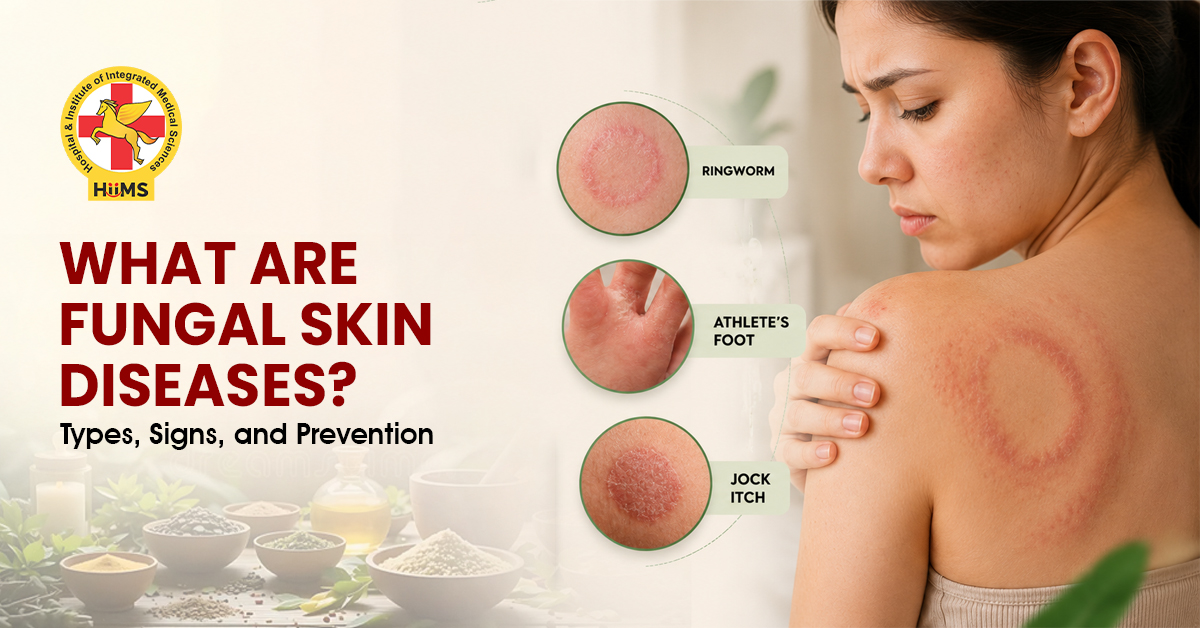
Athlete’s Foot (Tinea Pedis)
This is one of the most common fungal issues, especially for people who wear closed shoes all day or frequent public gyms. It usually attacks the damp skin between your toes or the soles of your feet. It often causes white, peeling skin, deep cracks, intense itching and a mild burning feeling.
Ringworm (Tinea Corporis)
Despite its confusing name, ringworm has nothing to do with actual worms. It gets its name because it usually forms a circular, red, or discoloured patch with slightly raised edges that look like a ring. The center of the circle may look clear or scaly, and it is almost always itchy. It can show up on your arms, legs, back, or chest.
Jock Itch (Tinea Cruris)
Jock itch affects the warm, moist areas around the inner thighs, groin and buttocks. It causes a red, raised, and sharp-bordered rash that burns or itches terribly. It is especially common in athletes, people who sweat heavily, or anyone wearing tight underwear.
Yeast Infections or Intertrigo (Candidiasis)
This type is caused by a yeast called Candida, which naturally lives on our skin in small amounts. When skin rubs against skin such as under the breasts, around the stomach folds, or in the armpits, moisture gets trapped. This leads to bright red, raw, and sore patches that feel tender to the touch.
Scalp Ringworm (Tinea Capitis)
This condition affects the scalp and hair shafts. It is more common in children and shows up as small, itchy and scaly spots on the head. Sometimes, the hair in those spots breaks off easily, leaving temporary bald patches until the skin heals.
Fungal Skin Disease Symptoms to Watch Out For
Catching a skin issue early prevents it from spreading to other parts of your body or to family members. Here are the most common fungal skin disease symptoms to pay attention to
- Persistent Itching & Burning: Itching or stinging sensation in a given area of skin which worsens with heat or sweating.
- Red or Discoloured Rashes: Areas of skin that appear red, pink, brownish or considerably lighter or darker than the surrounding skin.
- Ring-Shaped Patterns: Raised, bumpy borders that spread out in a circle, while the middle clears up.
- Peeling, Flaking, or Cracking: Skin that breaks apart easily, sheds white flakes or develops painful cracks (especially between the toes or on the palms).
- Blisters or Bumps: Small, fluid filled bumps or tiny pimple like spots around the edges of a rash.
Simple Daily Tips to Prevent Fungal Skin Infection
Preventing a fungal skin infection needs basic daily hygiene habits that keep your skin clean, cool and dry.
- Keep Your Skin Clean and Dry – Fungi love dampness. After a bath, swim or workout, dry yourself well with a clean towel. Pay particular attention to your armpits, folds of skin, and between your toes.
- Get Out of Sweaty Clothes Fast – Sitting around in damp workout clothes or wet swimwear creates an ideal environment for fungi to grow. Change into fresh, dry clothes as soon as you are done exercising.
- Choose Loose, Light Clothing – Tight polyesters and synthetics trap sweat against your body. Wear loose cotton clothes that let your skin breathe and stay dry throughout the day
- Don’t Share Personal Items – Fungi can easily travel from person to person. Never share bath towels, haircombs, socks or shoes etc.
- Protect Your Feet in Public Areas – Walking barefoot in shared spaces like gym locker rooms, public pools or hotel bathrooms is a quick way to catch athlete’s foot. Always wear flip flops or water shoes in these areas.
Conclusion
Dealing with an itchy skin patch can be frustrating, but remembering the basic facts makes it simple to handle. Most fungal skin diseases are surface-level, highly treatable and easily avoidable with small, consistent daily habits.
If you are struggling with stubborn skin rashes, expert help is always available. Jeena Sikho HiiMS provides natural treatment that address the root cause of skin issues using Ayurvedic approach. You can also book a VOPD (video consultation) from official website to get personalised guidance from experts. Through their personal care plans, they help clear skin impurities and strengthen your skin’s natural defence barrier.

FAQs
- How do you catch a fungal skin infection?
You usually catch it from trapped sweat, touching an infected area or sharing personal items like towels and socks.
- Can a fungal rash go away on its own without treatment?
Rarely, without keeping the area dry or applying care, the fungus usually stays or slowly spreads.
- Why does a fungal rash itch more when you get warm?
Heat makes you sweat, that extra moisture instantly activates the fungus and irritates your skin.
- Is ringworm caused by an actual worm inside the skin?
No, it gets its name purely from the red, ring-like shape it forms on your skin.
- What is the fastest way to stop a fungal infection from spreading?
Keep the area completely dry, wear loose clothing, and avoid sharing towels or clothes with anyone else.