

Piles can trouble a person for months, sometimes years. Pain while passing stool, bleeding, itching, and swelling around the anal area slowly disturb daily routine. Some people ignore it in the beginning. Then symptoms increase. Sitting becomes uncomfortable. Travel feels difficult. In chronic cases, medicines and ointments give only temporary relief. So patients start looking for a more lasting Piles Treatment option.
Today, there are advanced procedures available. Some are modern surgical techniques. Some are Ayurvedic methods that have been practiced safely for many years. At Jeena Sikho HiiMS, patients are guided after proper examination. The stage of piles, overall health, digestion, and past treatment history are checked first. Then the suitable method is suggested. Not every case needs open surgery. In fact, many patients now prefer Piles treatment without surgery or minimally invasive options that reduce pain and recovery time.
Let us understand four advanced options that are commonly advised for chronic piles.
1. Kshar Sutra Therapy (Ayurvedic Approach)
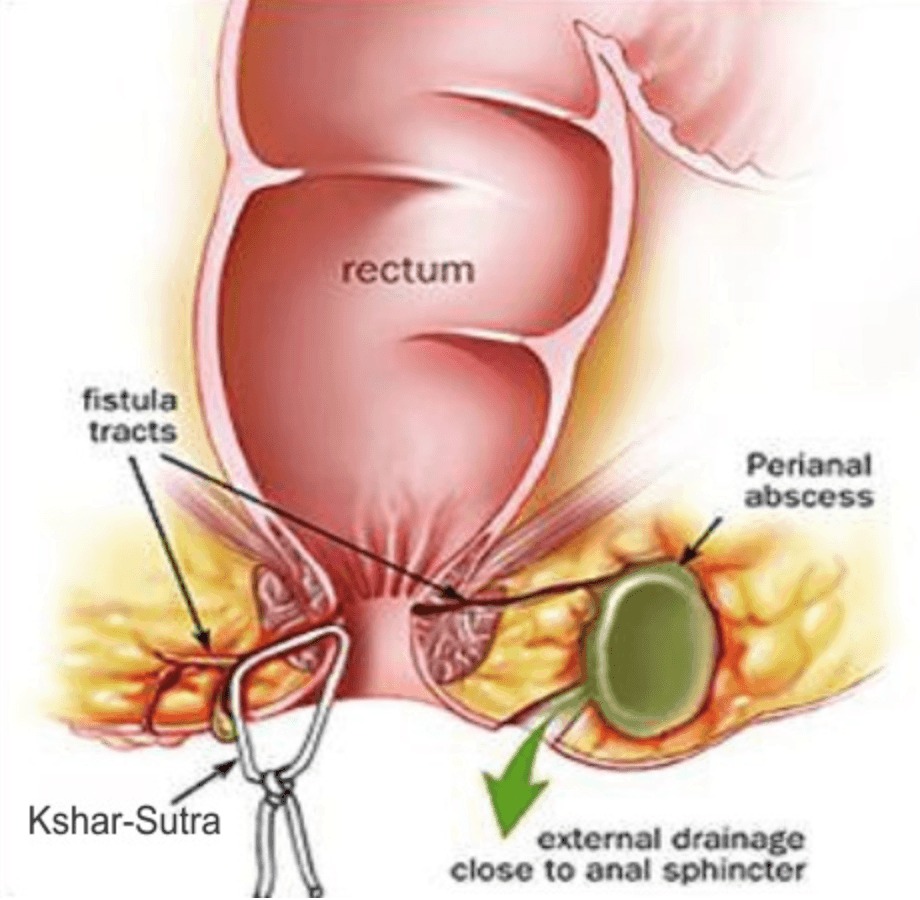
Kshar Sutra treatment for piles is a trusted Ayurvedic option. In trained hands, it is safe, natural, and effective.
What is Kshar Sutra?
A special medicated thread is prepared using herbal ingredients like turmeric and Apamarg Kshar (an alkaline herbal ash). This thread has healing and cleansing properties.
How it works
In piles, the swollen mass is tied with the medicated thread. Slowly, the blood supply to that pile mass reduces. The tissue dries and separates gradually. Healing happens from inside.
In fistula cases, the thread is placed inside the tract to clean unhealthy tissue and promote natural healing.
Why many patients prefer it
- Minimal bleeding
- Infection risk is low due to herbal coating
- Anal muscles remain safe
- Chances of recurrence are very low
- No major cutting surgery
This is often considered a form of Piles treatment without surgery, because it avoids large incisions and preserves natural structure. Healing may take some time, but it is steady and controlled.
Ayurveda believes that piles are linked with poor digestion and toxin buildup. So along with the procedure, diet correction and digestion support are also advised. This improves long-term results.
2. Laser Hemorrhoidoplasty (LHP)
Laser Hemorrhoidoplasty is a modern, minimally invasive procedure.
In this method, a laser fiber is inserted into the swollen pile mass. Laser energy shrinks the blood vessels supplying the hemorrhoid. As blood flow reduces, the swelling decreases over time.
Key points
- Very small incision
- Less pain after procedure
- Quick recovery in many cases
- Usually done as daycare procedure
Patients who are working professionals often ask for such options because hospital stay is short. Still, proper evaluation is required. Laser is useful in selected grades of piles, not in every condition.
3. Doppler-Guided Hemorrhoidal Artery Ligation (DG-HAL / THD)
This is another modern technique. A special Doppler device is used to locate the arteries supplying blood to hemorrhoids.
Once identified, these arteries are tied off. When blood flow reduces, swelling gradually decreases.
Benefits
- No major cutting
- Reduced bleeding
- Preservation of anal muscles
- Short hospital stay
Many patients prefer this method because it is precise and tissue damage is limited. Still, proper consultation with the Best doctor for Piles is important before choosing it.
Why Ayurvedic Kshar Sutra Is Often Preferred
Modern procedures are effective, but some patients prefer traditional methods. There are reasons.
Kshar Sutra focuses on the root cause. In Ayurveda, piles are connected with weak digestion, constipation, and toxin accumulation. If digestion is corrected, recurrence chances reduce. So treatment is not only local. It works at body level.
The herbal thread has antimicrobial and anti-inflammatory properties. Healing happens gradually. There is very less damage to surrounding tissues. Anal sphincter muscles remain protected, which is important for bowel control.
Also, cost may be lower compared to advanced surgical equipment-based procedures. But it must be done under trained supervision. Self-treatment or unqualified practice is not safe.
At Jeena Sikho HiiMS, doctors assess the stage carefully. Some patients are suitable for Kshar Sutra. Some may need laser or stapler method. It is better to decide after examination rather than choosing blindly.
Conclusion
Chronic piles should not be ignored. Bleeding, discomfort, and swelling affect daily life and may worsen if left untreated. Today, several advanced Piles Treatment options are available. Laser procedures, stapler surgery, and Doppler-guided ligation provide minimally invasive solutions with faster recovery in selected cases. At the same time, Kshar Sutra treatment for piles offers a natural, structured, and time-tested approach that focuses on healing from within.
Many patients now look for Piles treatment without surgery, and in suitable cases, that is possible. The choice depends on grade of piles, symptoms, overall health, and medical advice. Consulting the Best doctor for Piles ensures that treatment is safe and effective. At Jeena Sikho HiiMS Jhunjhunu Hospital, patients are guided step by step, so that the selected method matches their condition and long-term wellbeing.

FAQs
- Is Kshar Sutra painful?
It may cause mild discomfort, but pain is usually manageable. - Can piles be treated without major surgery?
Yes, many cases can be managed with minimally invasive or non-cutting procedures. - How long does recovery take after laser piles treatment?
Most patients resume routine work within a few days. - Is recurrence common after Kshar Sutra?
Recurrence is low when digestion and lifestyle are corrected. - When should I see a doctor for piles?
If bleeding, pain, or swelling continues for more than a few days, consult a specialist.
