
If you’ve ever dealt with piles, you already know how uncomfortable everyday life can get. Piles, or hemorrhoids as doctors call them, are basically swollen veins around the lower rectum or anus. They bring along pain, itching, sometimes bleeding, and honestly just a lot of discomfort every single time you use the washroom. Medicines and proper treatment matter, no doubt, but what you eat every day plays a bigger role than most people give it credit for. This is exactly why a proper piles diet is often the first thing doctors talk about once Piles treatment starts.
Get your piles diet right, and you’ll start noticing less straining, fewer flare ups, and honestly, a lot quicker healing overall. It’s not some magic fix, but it genuinely changes how your body handles the whole recovery process, and if you’re searching for a piles hospital near me for proper guidance alongside this, that combination works even better.
Think of it this way, a diet loaded with fiber, along with enough water in your system, does more for your gut and your comfort than most people ever realize until they actually try it themselves.
Why Does Your Diet Actually Matters Here?
Most piles cases start with one simple problem, constipation. Hard stools mean more straining, and more straining means the veins get worse. So when people ask how to treat piles, the fix is actually pretty straightforward on paper, eat foods that keep your stool soft and easy to pass. Fiber does exactly that. Combine it with good hydration and food that doesn’t sit heavy in your gut, and your bowel movements become far less painful, which is honestly one of the simplest ways to treat piles naturally before things get worse.
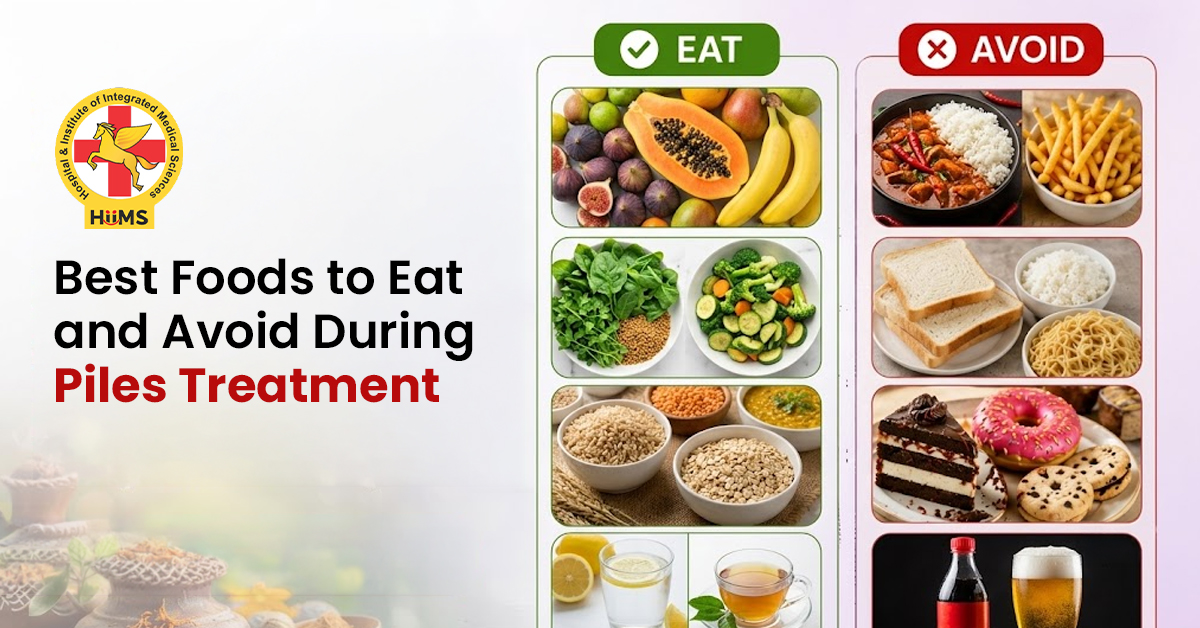
What You Should Be Eating?
Fruits That Actually Help
Fruits are an easy win here. They bring fiber, vitamins, and antioxidants to the table without much effort on your part.
Papaya works really well for a lot of people. So do bananas, apples (don’t peel them, the skin has fiber too), pears, berries, and oranges. None of these are exotic or hard to find, which is the best part.
Don’t Skip Your Greens
Leafy vegetables aren’t just something your mother nags you about, they genuinely help keep things moving.
Spinach, broccoli, carrots, bottle gourd, pumpkin, cabbage, all of these add bulk and nutrients to your meals. Toss them into your regular dal or sabzi and you’re already halfway there.
Switch to Whole Grains
Refined grains are basically stripped of fiber, so swapping them out helps more than you’d expect.
Oats, brown rice, whole wheat, barley, millets, quinoa, pick whichever fits your kitchen. Even switching your regular rice to brown rice a few times a week adds up.
Lentils and Beans Are Your Friend
Protein doesn’t have to come from meat, and for piles patients, plant protein is often the smarter route.
Lentils, kidney beans, black beans, chickpeas, green gram, all of these keep you full, give steady energy, and help avoid constipation at the same time.
A Little Healthy Fat Goes a Long Way
Not all fat is bad, some of it actually helps your digestion run smoother.
Olive oil, sesame oil, flaxseeds, chia seeds, and walnuts are good picks. Just don’t overdo it, moderation is the key word here.
Curd, Buttermilk, and Other Probiotics
Your gut has bacteria that need feeding too, and probiotics do exactly that.
Fresh curd, buttermilk, and hygienically made fermented foods can support smoother digestion over time.
And Please, Drink More Water
This one gets skipped constantly, but it might be the single easiest fix.
Aim for roughly 2 to 3 liters a day unless your doctor tells you otherwise. A glass of warm water first thing in the morning helps too. Herbal teas and fresh coconut water are good additions as well. More fluids, softer stool, less straining, it’s that simple.
What You Should Be Avoiding?
Go Easy on the Spice
Some people can handle spicy food just fine, others feel it immediately. If chilies, extra black pepper, or heavy curries seem to make things worse for you, that’s your body telling you something.
Fried Snacks Aren’t Doing You Any Favors
French fries, pakoras, chips, and fast food might taste great, but they bring almost zero fiber and can leave your gut feeling worse, not better.
Watch Out for Maida
White bread, cakes, cookies, pastries, pizza bases made with refined flour, white pasta, all of these are low in fiber and can quietly cause constipation. Swapping to whole grain versions when you can makes a real difference.
Too Much Caffeine or Alcohol Isn’t Ideal Either
Coffee, strong tea, energy drinks, alcohol, these can dehydrate you, and dehydration means harder stools. If you’re not ready to cut them out completely, at least balance them with extra water.
Processed Food Is Rarely Worth It
Instant noodles, packaged snacks, frozen ready to eat meals, they’re convenient, sure, but they’re usually low in fiber and loaded with salt and unhealthy fat.
Red Meat, In Moderation
Red meat isn’t off limits entirely, but it digests slower than plant proteins and can add to constipation if you’re not pairing it with enough fiber and water.
A Few Lifestyle Habits Worth Building
Diet alone won’t fix everything if your daily habits work against you when dealing with piles disease.
Don’t hold it in when you feel the urge to go. Don’t sit on the toilet scrolling your phone for twenty minutes either. Get some movement in, even a daily walk helps manage piles disease better. Keep sipping water through the day instead of chugging it all at once. Add fiber gradually so you don’t end up bloated. And if your doctor suggests a warm sitz bath for piles disease, it’s worth trying.
When It’s Time to Actually See a Doctor?
Piles diet and lifestyle changes help a lot, but they’re not a substitute for medical care when things get serious. Reach out to a doctor if you notice ongoing rectal bleeding, severe pain or swelling, a lump that keeps growing more painful, symptoms that just won’t go away even after a week of following the right piles diet and home remedies, or any sudden weight loss or change in your bowel habits. Sometimes what looks like piles is actually something else entirely, and only a proper checkup can confirm that, no piles diet can substitute for that diagnosis.
Conclusion
At the end of the day, managing piles comes down to a few basics done consistently, more fiber, more water, and better daily habits built around a proper piles diet. Fruits, vegetables, whole grains, lentils, and probiotic foods all work in your favor, while fried, processed, and refined foods tend to work against you and undo the benefits of a good piles diet.
That said, a piles diet is support, not a replacement for actual treatment. If things are getting worse, coming back again and again, or involve serious bleeding, please don’t wait it out on your own.
If you’re looking for proper Ayurvedic care for piles, Jeena Sikho HiiMS can help. Along with the right piles diet, you can book a VOPD consultation and speak with experienced doctors right from home. Call +91 87920 87920 or email care@jeenasikho.com to get your consultation booked.

FAQ
Can diet alone cure piles completely?
Not entirely, but it helps a lot. Diet reduces symptoms and slows things down, but for a full recovery you’ll still want proper medical guidance alongside it.
Is banana actually good for piles?
Yes, it’s soft, gentle on the gut, and full of fiber, which makes passing stool a lot easier without straining.
Can I still have my tea or coffee?
In small amounts, sure. Just don’t overdo it, and make sure you’re drinking enough water alongside it since caffeine can dry you out a bit.
How much water should I really be drinking?
Somewhere around 2 to 3 liters a day works for most people, unless your doctor has told you otherwise for some other reason.
When should I stop relying on diet and just see a doctor? If you’re bleeding, in serious pain, noticing a lump that’s growing, or symptoms just aren’t budging after a week or so, don’t wait around, get it checked.
Disclaimer: The information provided on this blog is for general educational and informational purposes only. It is not intended to replace professional medical advice, diagnosis, or treatment. Always consult a qualified healthcare professional before making any changes to your diet, lifestyle, or treatment plan. Individual results may vary.