

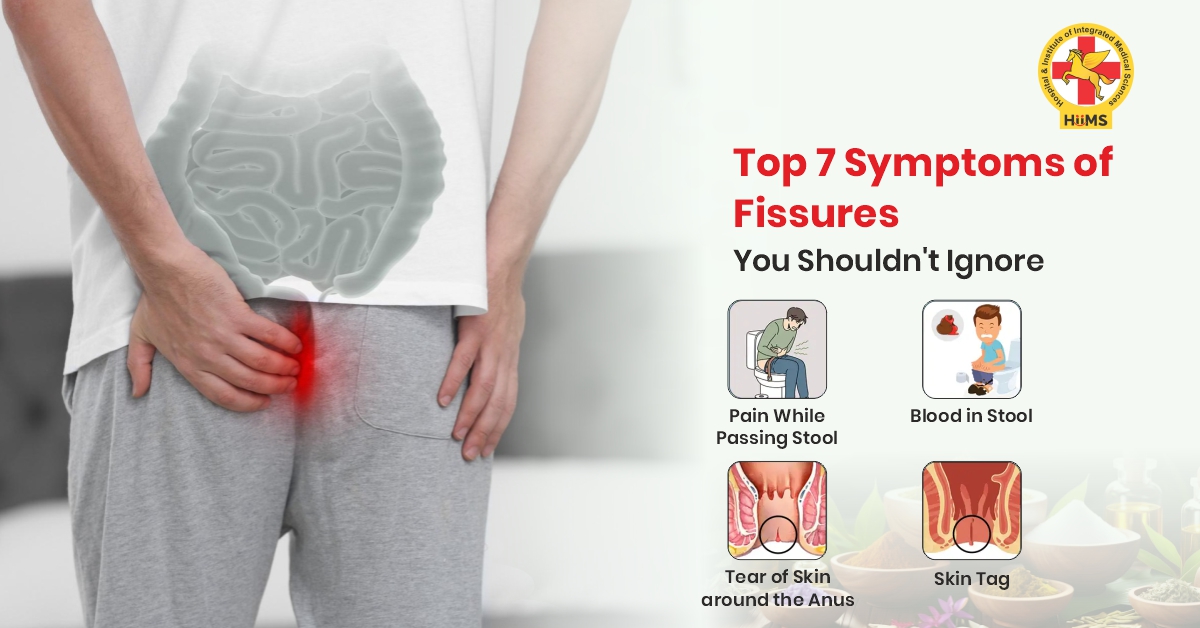
Most people do not notice the first sign of problems in the bathroom. They blame food, sit down, get up, and move on, thinking the pain will fade by itself. The problem is that a small tear in the anal lining can keep reopening every time stool passes, and that is how a simple issue slowly starts disturbing the whole day.
This is where fissure symptoms have significance, because the body usually gives warning signs before the pain turns constant. Many people combine it with piles in the early stage, which is why the mistake often continues for too long.
In this blog, you will see the signs, the reason behind them, and what to notice before the problem becomes harder to handle.
What Is an Anal Fissure?
An anal fissure is a tiny tear in the skin around the anus. It usually forms when stool is hard, when the area gets stretched too much, or when irritation keeps happening again and again. The tear may be small, but the pain can feel sharp enough to make a person tense up even before going to the washroom.
What Causes Anal Fissures?
When people ask what causes anal fissures, the answer is often found in everyday habits. Such as, hard stools, chronic constipation, poor water intake, low-fiber meals, long sitting hours, and repeated straining can all put pressure on the anal area. Even a small tear can become stubborn if the same habits continue.
From an Ayurvedic point of view, this usually points toward disturbed digestion, dryness in the body, and an unhealthy routine that does not give the bowels enough ease.
Understanding the cause early makes the next step simpler, because fissure treatment is not only about pain relief, it is also about reducing the strain that keeps the tear active. In many cases, improving digestion and bowel habits can also support better results in piles treatment and overall rectal health.
Top 7 Symptoms of Fissures You Shouldn’t Ignore
The early signs may look ordinary at first, and that is exactly why many people miss them. Still, the body keeps repeating the message in its own way. Once you notice these Fissure Symptoms, it becomes easier to understand what the problem is trying to say.
1. Sharp Pain During Bowel Movements
This is usually the first thing people feel. The pain may come suddenly, and many describe it as sharp, cutting, or burning. Sometimes it feels like the area is getting torn again with every bowel movement. Because of that, people begin holding back the urge to pass stool, which only makes the situation worse.
2. Burning Sensation That Lasts for Hours
The pain does not always stop after leaving the washroom. A burning or throbbing feeling can continue for a long time, and that lingering discomfort can make sitting, walking, or even focusing on work feel difficult. When this keeps repeating, it becomes one of the more upsetting fissure symptoms.
3. Bright Red Blood on Toilet Paper or Stool
Fresh red blood is another sign people should not brush aside. It may appear as a streak on toilet paper or a small mark on the stool. Even if the amount looks small, it still means the tear may be reopening during bowel movement. This is one of the clearest signs that fissure treatment should not be delayed.
4. Constant Itching or Irritation Around the Anal Area
Itching around the area can start feeling irritating very fast. Moisture, repeated wiping, and constant friction often leave the skin uncomfortable during the day. Some people notice it more at night, while others feel it after passing stool.
5. A Small Visible Cut or Crack Near the Anal Area
In some cases, the tear can actually be seen. It may look like a small cut, but that little crack can become deeper if the stool remains hard or if the area keeps getting disturbed. At this stage, what causes anal fissures becomes important to study carefully, because the reason behind the tear usually decides how long it takes to settle down.
6. A Small Lump or Skin Tag Near the Fissure
When the problem stays for a long time, a small lump or skin tag may appear near the tear. This is often a sign that the fissure has become chronic. The body is trying to protect and heal the area, but the repeated strain makes recovery slow.
7. Muscle Tightness or Spasms During Passing Stool
Pain often causes the muscles around the anus to tighten automatically. This tightness can turn into a spasm, and that makes passing stool even harder. The more the muscle contracts, the less chance the tear gets to heal properly. In simple words, the body starts working against its own healing unless the cause is addressed early.
When Should You Seek Medical Attention?
If the pain keeps returning for weeks, if bleeding happens more than once, or if bowel movements start feeling difficult every day, medical attention becomes important. People often wait too long because the issue feels embarrassing to talk about, but that only allows the tear to stay open. Seeking timely care at Jeena Sikho Jhunjhunu Hospital can help manage fissure symptoms naturally and improve daily comfort.
Conclusion
A fissure may start out as a small tear, but it can slowly disturb eating, sitting, sleeping, and even the simple act of using the washroom. Paying attention to fissure symptoms at the right time can save a person from weeks of avoidable discomfort.
Small changes in water intake, food habits, bowel routine, and lifestyle often make a noticeable difference when the goal is real healing. Ayurveda also reminds us that the body heals best when the root cause is handled with care. For personal guidance related to health concerns, you can also opt for an online video consultation (VOPD) for your health issue with expert doctors at Jeena Sikho HiiMS.

Also Read About
Best Hemorrhoid Treatment
FAQs
- How does an anal fissure usually start?
It usually starts when hard stool or repeated straining puts extra pressure on the anal lining and causes a small tear. - Why does fissure pain feel so sharp?
The area is very sensitive, so even a tiny tear can create a sharp cutting sensation during bowel movement. - Can diet affect fissure healing?
A fiber-rich diet with enough water can ease stool passage and reduce strain, while dry and irregular eating habits can slow recovery. - Why does a fissure keep burning after using the washroom?
The tear stays irritated for some time after stool passes, which is why the burning or throbbing feeling can last longer. - What happens if a fissure is ignored for too long?
The tear may keep reopening, become chronic, and lead to more pain, bleeding, and muscle tightness over time.
