
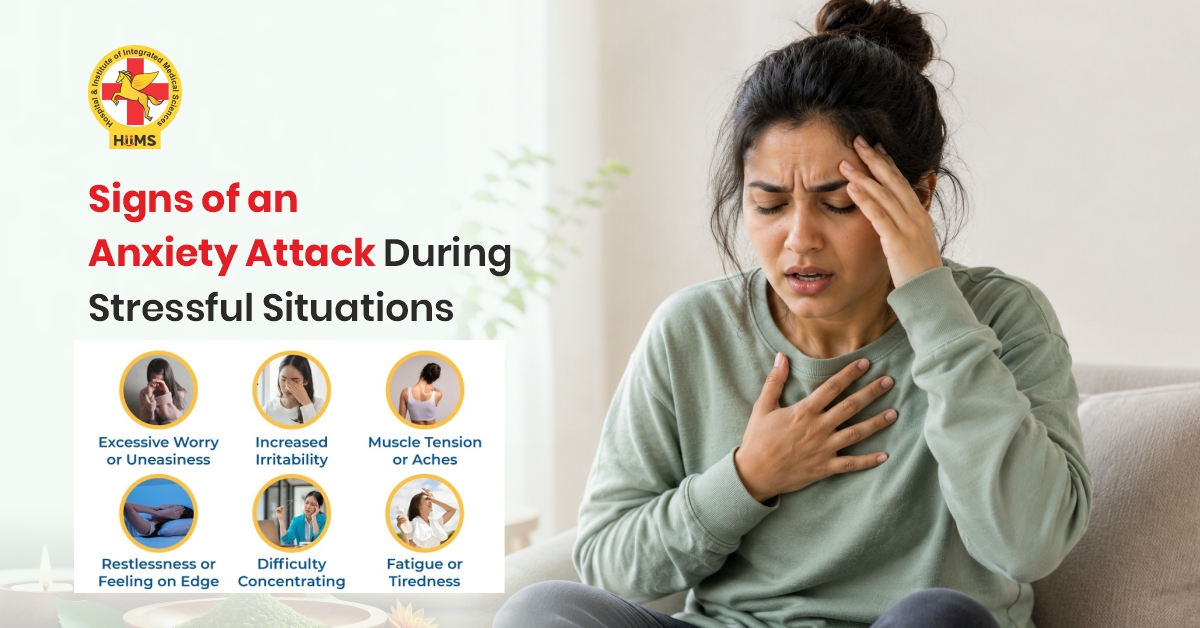

Not all times do we confine stress to our mental state; rather, its effects spill into our bodies through a feeling that seems abrupt and puzzling to us. We feel our heart beating fast, our breaths coming quicker, and fear creeping up without knowing where it comes from. This is a manifestation of anxiety, a condition that can become extremely difficult to handle. These are early signs of an anxiety attack that many people tend to ignore at first.
In many cases, this reaction comes from the body’s natural fight or flight response. It prepares you to deal with danger, but during stress, it can become too strong. Anxiety attack symptoms typically occur suddenly and peak within a matter of minutes. Knowing these symptoms can allow you to be more alert in such a situation.
What Are the Common Anxiety Causes
Anxiety does not come from a single reason. It usually builds over time. Work pressure, emotional stress, lack of sleep, and constant overthinking are some of the common anxiety causes. In certain cases, even minor factors such as deadlines and crowded environments may cause attacks when one’s mental load is already high.
The more one learns about their triggers, the better they can identify what causes such attacks. It is essential in the anxiety treatment of long-term anxiety disorder.
Common Anxiety Attack Symptoms
Anxiety attack symptoms often come suddenly and feel very intense. They affect both the body and the mind at the same time. Recognising these as Signs of an anxiety attack can help you respond more calmly.
Physical Signs
The physical reactions occur first, and their sensations can be frightening:
- Quickened or thumping heartbeat.
- Feeling chest pains or pressure.
- Shortness of breath.
- Feeling dizzy or lightheaded.
- Excessive sweating or shivering.
- Shaking or trembling.
- Sickness or stomach pain.
- Tingling in hands or feet.
These physical responses are often frightening, thus heightening the feeling of fear.
Mental and Emotional Signs
Not only do physical reactions occur, but also the mental aspect:
- An immediate experience of the fear or panic.
- The sensation of impending doom.
- Thoughts running through one’s head nonstop and out of control.
- Difficulty focusing.
- Feeling disconnected from surroundings.
- Fear of losing control.
These are the most noticeable anxiety attack symptoms and should not be ignored if they happen repeatedly.
How to Calm Anxiety Attack in the Moment
When an anxiety attack starts, you can take small steps to calm your body.
- Focus on breathing
Breathe slowly and deeply. Inhale for four seconds, hold for four seconds, then exhale for four seconds. This will assist the body to regain its natural rhythm. - Use grounding techniques
Scan your environment. Name five things that you see, four things that you touch, three things that you hear, two things that you smell, and one thing that you can taste. This exercise will make the mind focus on the here and now. - Step away from the situation
If possible, leave the stressful environment. It doesn’t take much to ease the pressure.
It will take some time to learn how to handle anxiety attacks, but constant training will help you deal with these situations.
Anxiety Treatment and Therapy Approach
Managing anxiety requires more than handling one episode. It needs a consistent approach. The anxiety treatment involves therapy for anxiety, lifestyle changes, and identifying the sources of anxiety attacks.
In our clinic, Jeena Sikho HiiMS, the emphasis is still on balancing everything naturally. This means that we help you correct your daily schedule, support calmness mentally, and help your body find its balance instead of just managing your symptoms. Good sleep, well-balanced nutrition, and mental unburdening also contribute significantly to achieving better results.
When Should You Seek Help
If you suffer from frequent attacks of anxiety or if the anxiety attack symptoms start to disrupt your daily activities, then you cannot avoid getting help. Feeling constant fear, inability to sleep, or experiencing repetitive attacks for no apparent reasons are signs that you should take professional advice. Anxiety treatment will be much simpler at this stage.
Conclusion
Anxiety attacks may seem unpredictable but can be a manifestation of an underlying pattern of stress. Being aware of the signs of anxiety attacks and ways to relieve anxiety attack can go a long way in managing the problem. With proper anxiety treatment and assistance from sources such as Jeena Sikho HiiMS, you will be able to achieve more balance in your life.
Book an Appointment with Jeena Sikho HIIMS for personalized guidance and holistic wellness support.

FAQs
- What are the key reasons for anxiety disorders?
Some key anxiety causes include stress, lack of sleep, emotional problems, worrying too much, and bad lifestyle choices. - How to cope with anxiety attack rapidly?
One may concentrate on taking long deep breaths, applying grounding techniques, and avoiding any stressful situation. - Which is the best way to deal with anxiety attacks?
Every person deals with anxiety attacks differently. Therefore, the best treatment is highly dependent on a person’s needs. - When should one visit a physician due to anxiety attack symptoms?
A person needs to get medical attention if symptoms appear often and affect one’s life quality negatively. - Can an anxiety attack disappear entirely?
It is possible for many people to make anxiety attacks less common and more bearable with appropriate treatments and lifestyle changes.
